Ancient Greeks Thought a Unibrow Made You Smart and Desirable
They also prized a larger nose that curved a bit downward and bleached hair blond with vinegar, linking good looks to kindness and intelligence.
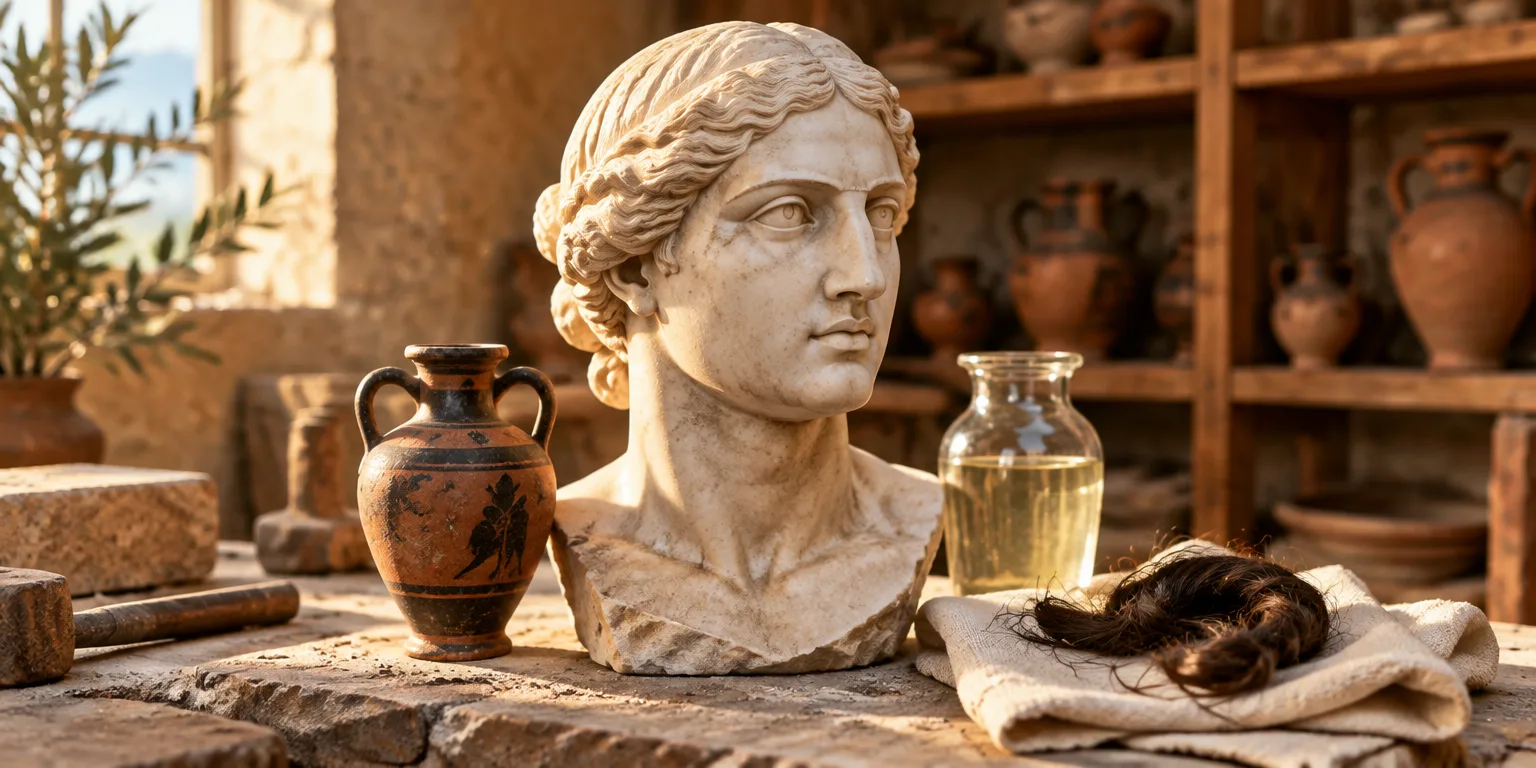
In ancient Greece, a unibrow marked a person as intelligent and desirable.
Greeks studied harmony and proportion in the face, and developed physiognomy, the practice of reading character from physical features.
The admired face had the profile now known as the Greek nose, slightly larger than average and straight with a slight downward curve, plus a low forehead, well defined arched brows, and a strong, straight chin rather than a dimpled one.
Blond hair was all the rage because the gods were imagined with it, so people bleached their hair with vinegar, though overuse damaged hair and caused heavy shedding.
Beauty was not only physical. To meet the standard was also to be seen as good, kind, and intelligent.
Questions people ask
Did vinegar actually bleach hair?
Yes, mildly. Vinegar is acidic and can slowly lighten hair with repeated use and sun exposure, though far less dramatically than modern bleach. Ancient bleaching would have been gradual, drying, and damaging, which fits the report of shedding from overuse.
What is meant by a Greek nose today?
The term comes from ancient statues and the old ideal described here: a slightly larger nose, straight with a slight downward curve. Modern surgeons and art historians still use Greek nose for that prominent, straight profile. Tastes vary, but the label has stuck.
Why was blond hair prized if most Greeks had dark hair?
Most natural hair in ancient Greece was dark, which made blond stand out. Blond was linked to gods, heroes, and foreigners from the north, giving it rarity and prestige. That association helped make a hard to get color fashionable despite the damage.