Anxious rats calmed down when scientists boosted energy in their brain cells
Boosting energy inside brain cells eased anxiety in rats, helping recast mitochondria as shapers of mood.
 Quanta Magazine · Martin Picard’s Mitochondrial Theory of Mind
Some of the rats in Carmen Sandi's laboratory were naturally anxious or depressed.
Sandi, a neuroscientist in Switzerland who studies behavior and how brain systems work, wanted to know what was different about them. When she and her colleagues looked at the animals' brain cells, they found that the mitochondria were malfunctioning.
Mitochondria are tiny structures inside cells that turn food into usable energy. Researchers had been surprised to learn that they are not all the same, with small groups specialized for different organs, and even for different cells, handling different amounts of energy or different kinds of chemistry.
The rat work was some of the first studies showing that mitochondria can affect mental state, and that those conditions could be eased through treatment. When Sandi's team raised energy production inside the brain cells of the anxious rats, the neurons bounced back and the animals acted less anxious.
In a later study, the team tried a commercially available supplement that supports mitochondrial function. It produced the same positive result.
"It restored everything," Sandi said.
The work came when research on mitochondria was growing fast. Other teams were studying connections between these cell parts and how memories form, how low mood sets in, and how diseases of the brain and heart develop. In 2025, Columbia University mitochondria researcher Martin Picard co-authored a map of mitochondria in the human brain showing that the structures differed by brain area and even by cell type inside the same organ.
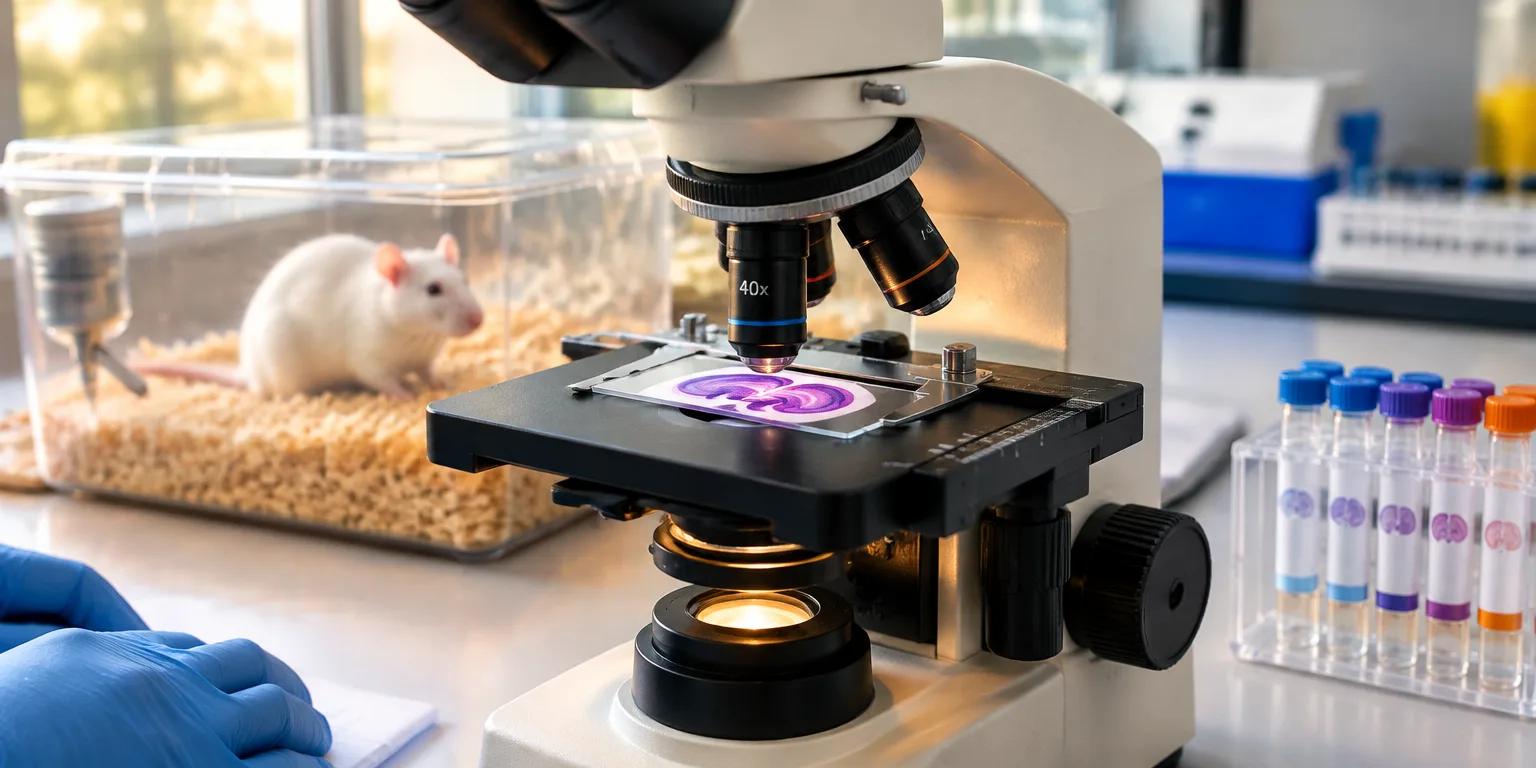
In Sandi's rats, boosting energy production in brain cells meant fewer signs of anxiety.
Questions people ask
What exactly do mitochondria do?
Mitochondria are small compartments inside almost every animal cell. They take in fuel from food and oxygen from breathing, and convert that fuel into a chemical called ATP that cells spend to do work, from firing neurons to contracting muscles.
Does this mean a supplement can treat anxiety in people?
No. The human work is still early. The rat results show cause and effect in animals, but people have far more complex brains, lives, and stresses. Researchers are now building tools to measure mitochondrial health in large human samples to test whether the same link holds.
How can scientists tell that a rat is anxious?
Scientists cannot ask a rat how it feels, so they watch what it does. Common tests track whether a rat avoids open or brightly lit spaces, freezes or startles easily, or gives up quickly in a swim test. Together, those patterns are read as resembling anxiety or depression.