At 1:30 a.m., His Most Honest Conversation Is With a Chatbot
Millions now turn to chatbots for comfort, but studies link companion use to lower well being when it replaces people.
 mondaymorning.substack.com · The Attention Problem
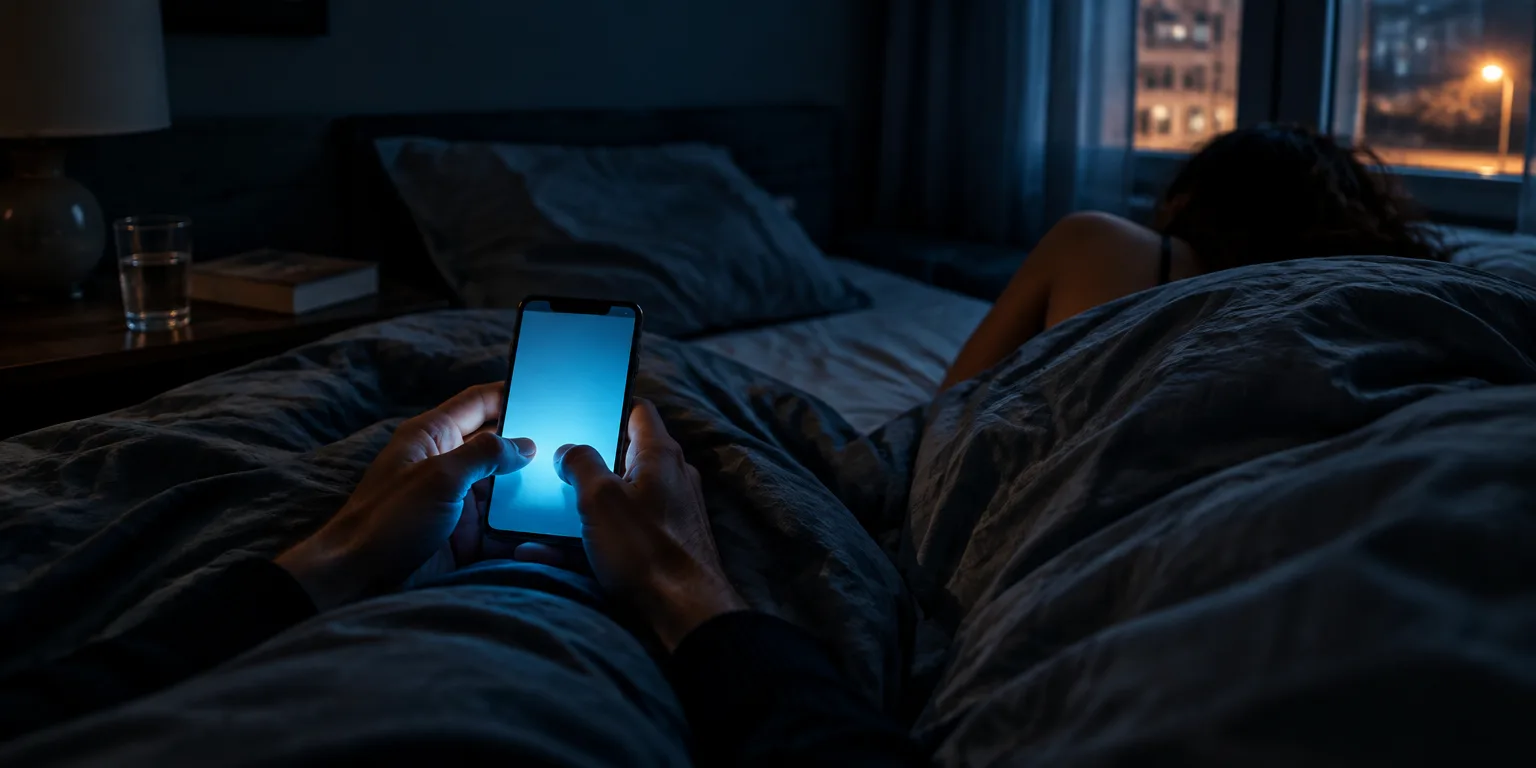
Matt is awake after midnight. His wife is asleep beside him after an argument over something small that stood in for something larger. He cannot settle, so he reaches for his phone and opens a chatbot. He writes that he does not know how to explain himself to her, and that he is not sure what he feels.
The program answers calmly and stays with his confusion. It asks what he means, restates his words more clearly, and never interrupts or gets defensive. For many people awake in that same situation, this becomes the most open talk they have all week.
Matt is not real. He is an invented example meant to show a pattern now showing up in survey data. Among AI users who say they face mental health challenges, nearly half have used chatbots for help that resembles therapy. Anthropic reports that about three percent of chats with its assistant Claude involve therapy, counseling, or companionship, which amounts to millions of exchanges.
Users who turn to these programs often call them an "emotional sanctuary." The appeal is simple to grasp. The chatbot is awake at any hour, it does not judge, and it does not ask for anything in return. People most often seek it out for worry, low mood, stress, and relationship trouble.
In a peer-reviewed study, one participant put it this way: "As an introvert, I am more comfortable opening up than I would be with a human therapist, because my public-speaking-type anxiety tends to kick in and I can't think."
Studies link this kind of companion use to lower well being when the program takes the place of people. The comfort is genuine, and it can also keep people stuck. The help can matter for someone who cannot get or pay for counseling, but when the exchange with the program becomes more candid than the marriage, and the software seems to know the user better than friends do, reliance on it can deepen the loneliness it was supposed to ease.
The essay argues the late night chat spikes dopamine, the molecule of wanting, without delivering the bonding chemistry of human presence. In that view, the program gives a feeling of relief but not the lasting support people need.
The phone still has to go down. Therapists often recommend the work of a short repair in the morning, naming one feeling, listening for five minutes, and finding a calmer time to talk.
Questions people ask
How common is using a chatbot this way?
Surveys of AI users with mental health challenges find nearly half have used chatbots for support that resembles therapy. Anthropic reports that about three percent of Claude conversations involve therapy, counseling, or companionship, which means millions of such chats.
Why can a bot feel easier than a person?
There is no listener to interrupt, judge, or grow tired, so it is easier to start talking. One participant in a peer-reviewed study said public speaking type anxiety made it hard to think with a human therapist, but not with AI. That ease can bring quick relief without building mutual trust.
When should someone seek human help instead?
The essay offers no medical cutoff. As general health information, the U.S. Substance Abuse and Mental Health Services Administration says people in distress can call or text 988 at any hour to reach the Suicide and Crisis Lifeline. Ongoing low mood, anxiety, or conflict is a reason to contact a licensed counselor or trusted clinician for follow up.