Attention Companies Profit by Keeping People in Rabbit Holes
Attention companies profit by keeping people scrolling, leaving them overwhelmed and unable to tolerate an idle moment.
 People vs Algorithms · Zuckerberg’s Capitulation, Rabbit Holes and the War on Attention
Brian Morrissey, who writes a newsletter about media, argues that attention companies profit by keeping people scrolling through endless recommendations.
"The reason that the rabbit holes exist is because that is their business," Morrissey said. He means attention has become a commodity, and keeping people in those tunnels is how the companies make money.
Morrissey was responding to a newsletter about rabbit holes. He recounted that Troy Young, who also writes a newsletter, had called them "one of the defining features of the information space." Morrissey added that they have become far more common because algorithms steer viewing habits.
Morrissey believes that system has produced a crisis of focus. People feel overwhelmed by the volume of information, find it hard to concentrate, and need less information rather than more.
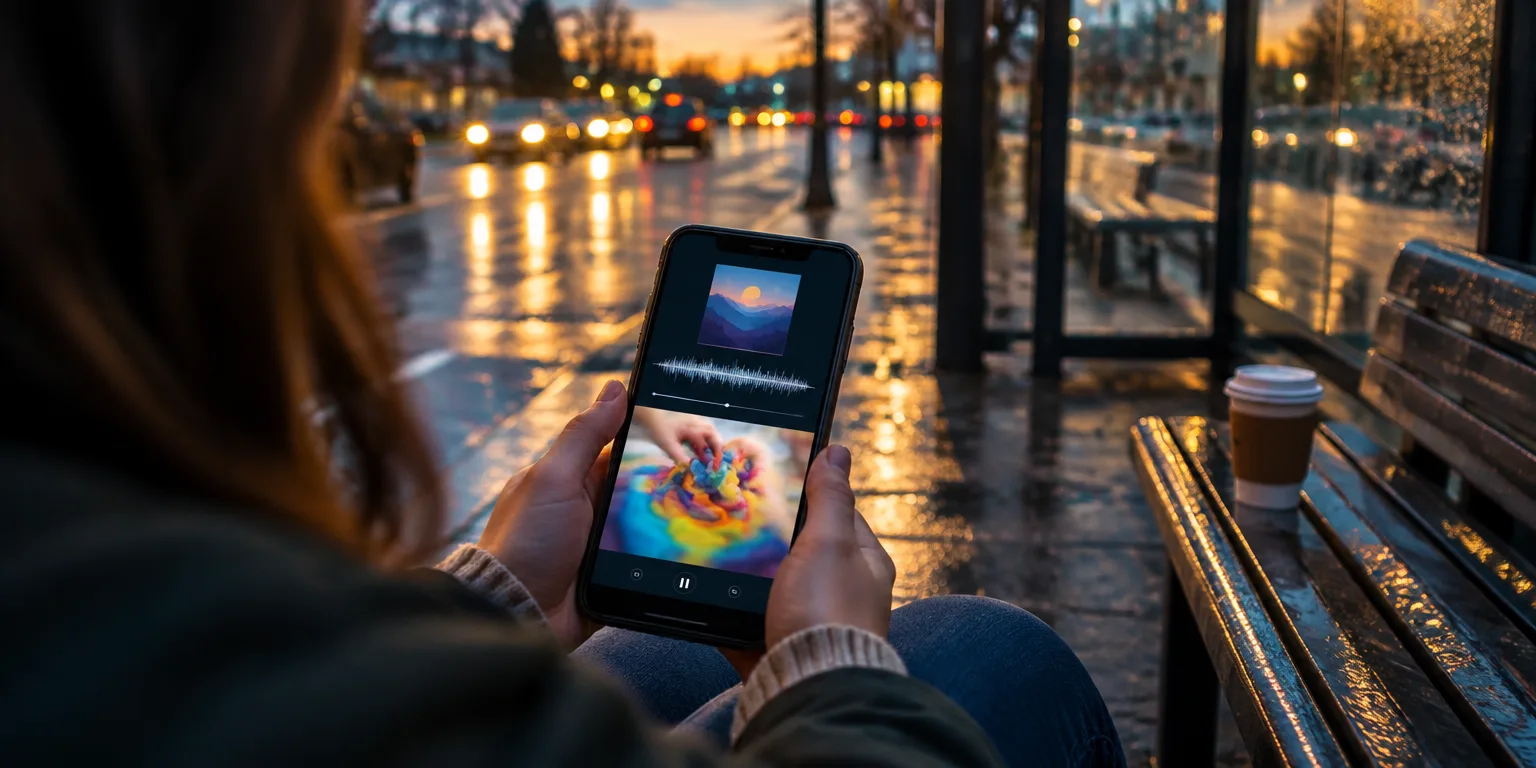
Alex Schleifer pointed to design choices built to extend that time spent. He said Facebook has tested adding artificial intelligence created posts to feeds because personalized filler creates more room for ads. He also cited a popular TikTok layout that pairs a podcast clip in the upper half of the screen with unrelated motion below, such as Play-Doh or, as Alex Schleifer put it, "car crashes or people falling down stairs." He said the second clip is there to hijack attention.
Schleifer put the cost simply: "we're no longer able to get bored." He added that he expects the methods for capturing attention to keep getting stronger.
Questions people ask
Why do longer rabbit holes mean more money for a platform?
Most large feeds sell advertising, so more time spent scrolling creates more slots to show ads. Personalized recommendations and endless autoplay reduce the reasons to leave. That is why even small increases in session length can be worth a lot of revenue.
What is so effective about a split-screen TikTok video?
It gives the brain two streams of novelty at once, one that carries a story and one that delivers constant motion. If interest in one fades for a second, the other holds the eyes on the screen. That lowers the chance a viewer will swipe away.
Is losing the ability to be bored actually harmful?
Psychologists say boredom has a useful function, because it pushes people to seek meaningful activity, daydream, and consolidate memories. Constant stimulation can crowd out that downtime and make sustained focus harder. Short breaks without a phone can help rebuild tolerance for idleness.