Babies Can Hear Every Language, Then Lose the Ones They Don't Need
At six months, babies in Tokyo and Seattle ace the same sound test. Two months later, they don't.
 TED · The linguistic genius of babies | Patricia Kuhl
Every baby starts as a citizen of the world, at least by ear. For the first months of life, babies can tell apart the sounds of all languages, a feat you and I have lost.
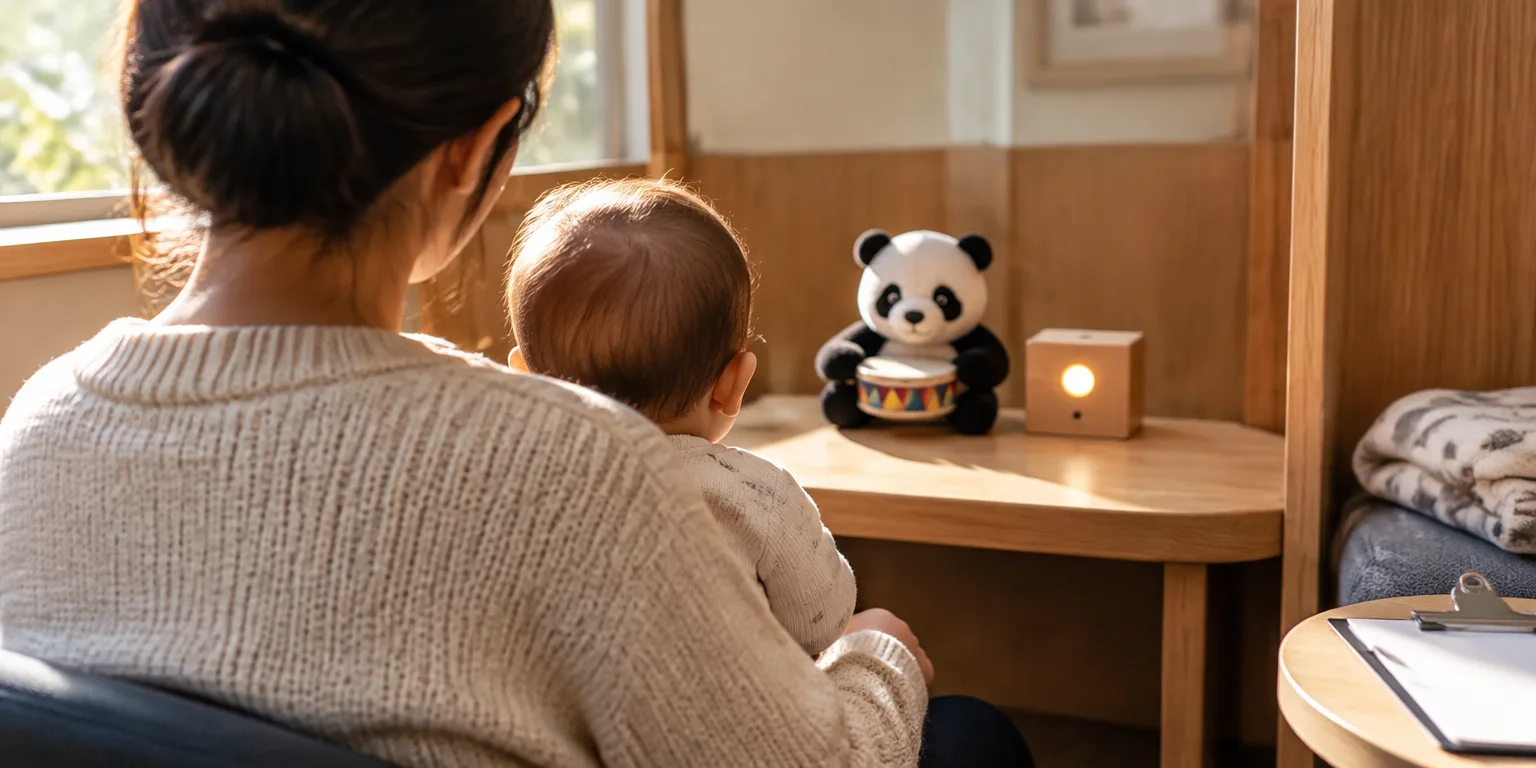
Patricia Kuhl, a researcher who studies how babies learn language, tests them with a simple game. A baby settles onto a mother's or father's lap and learns to turn her head when a sound changes, say from "ah" to "ee." Get it right, and a box lights up and a toy panda pounds a drum. Six-month-olds adore it.
On the test that matters here, American and Japanese babies listen to "ra" and "la," sounds that matter in English but not in Japanese. At six to eight months, babies in Seattle and Tokyo score exactly the same.
Two months later, they split. The Seattle babies get better, the Tokyo babies get worse, and both, as Kuhl says, "are preparing for exactly the language that they are going to learn." By the first birthday, the citizens of the world have become what Kuhl calls language-bound listeners, sharper in their own tongue and a little deaf to all the rest.
Questions people ask
Why do Japanese and American babies differ on ra and la?
English treats r and l as different sounds that change meaning, as in rake and lake, while Japanese does not use that distinction. Japanese has a single sound that falls somewhere between the English r and l, so Japanese adults hear both English sounds as versions of their own. That is why Tokyo babies stop sharpening the English difference and Seattle babies keep sharpening it.
If a baby hears two languages, does she stay a citizen of the world longer?
Bilingual babies keep the sound distinctions for both languages they regularly hear, as long as exposure starts early and comes from real people. Instead of narrowing to one system, they build two sets of sound categories and learn which to use with whom. The narrowing still happens, it just preserves more sounds.
Can adults ever get that baby hearing back?
Adults can improve with focused training, but they rarely reach baby-like ease because the brain's early window for sound learning has closed. Progress is slower, takes many repetitions, and often fades without practice. Starting young, or living with the language, helps far more than classroom drills later.