Bad tracking can make many buyers invisible to your ads
Ad platforms can only find more buyers if they can see the first ones, and most startups never connect the signal.
 The Twenty Minute VC (20VC): Venture Capital | Startup Funding | The Pitch · 20Growth: How to Build a $100M Growth Engine: Lessons from Wispr Flow and Superhuman | Why You Should Do Paid Ads Today and How To Do Them | How to Build the Best Referral Programs and How to Crush UGC with Matt Swulinski
Many software startups blame paid ads when the real gap is tracking they never set up.
Matt Swulinski, a growth leader who ran acquisition at email startup Superhuman, voice dictation startup Wispr Flow, and now at AI assistant startup Victor, says about 90% of companies spend their first dollar without proper conversion tracking and measurement. He calls that spending into the air.
The problem is how modern ad platforms learn. Meta and Google do what you tell them. You tell them what a valuable customer looks like, by sending a signal each time someone subscribes or starts a trial, and they go find more people like that.
That learning depends on plumbing. Online stores can plug in ready made tools like Triple Whale and Elevar. Add a small piece of tracking code to the website, connect ad spending, and in about 15 minutes the tool sorts out which channel drove a new sale, even when Meta, Google, and email are all claiming credit.
Software companies do not have that shortcut. Each startup has to build measurement from scratch with engineers, connecting its website, its product, its customer database, and its analytics software. Most skip it.
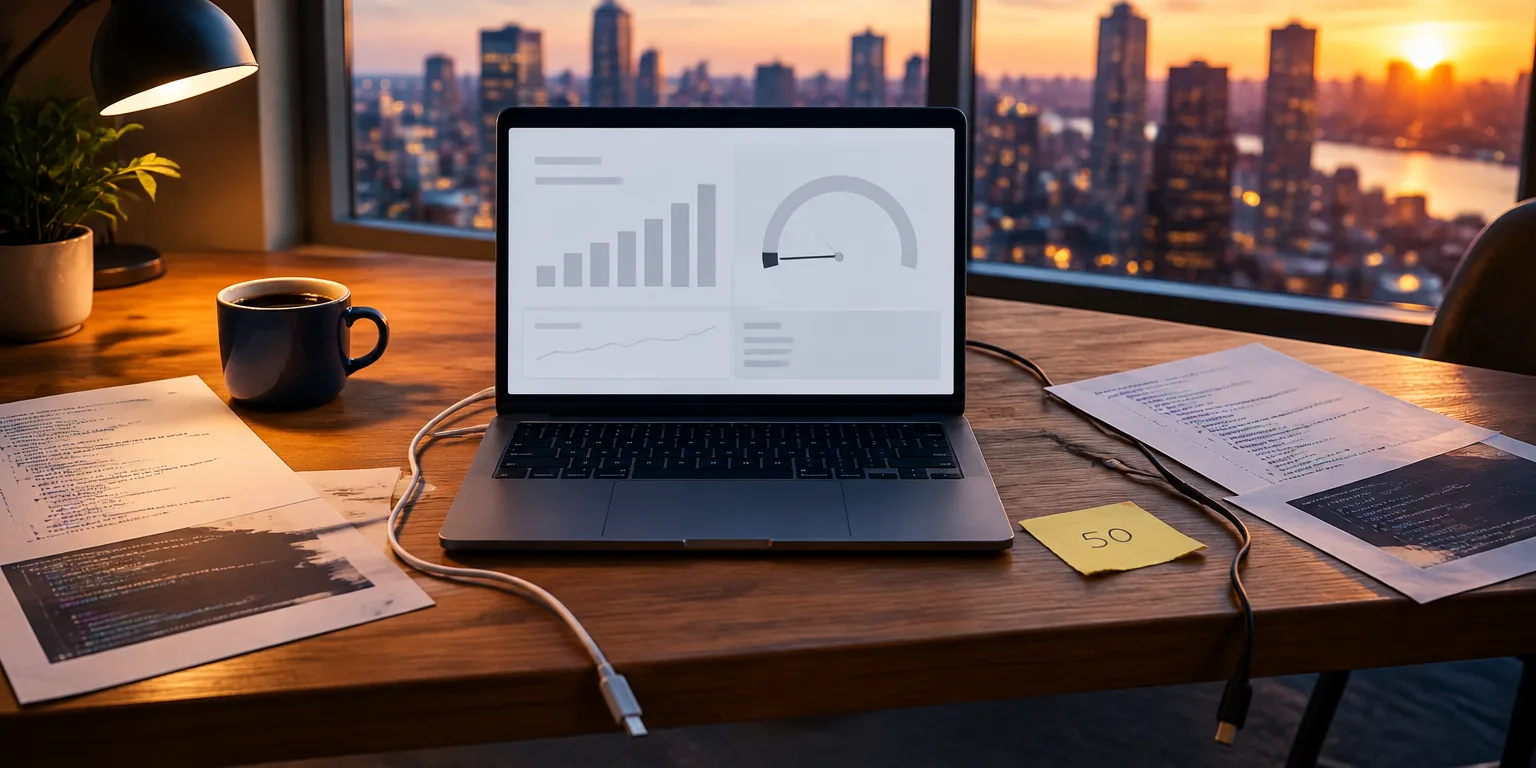
Swulinski points to two scores, match rate on Meta and enrichment score on Google, that show how many buyers each platform can recognize. If the score is only 50%, half the buyers are invisible. Meta does not see them, does not count them, and does not learn from them.
With bad data, the algorithm guesses. It shows ads to random people, the cost to win each customer, known as CAC, shoots up, and the founder concludes that paid ads do not work.
The fix comes before spending. Have a product people already love and share, make sure every purchase signal reaches the ad platforms, and collect about 50 of those key purchases. That is the minimum history the system needs to know who your best customer is. Only then, Swulinski says, should you start paid spending.
Questions people ask
What exactly is conversion tracking?
It is the behind the scenes wiring that tells an ad platform when its ad led to something valuable, like a purchase, a signup, or a trial start. It usually combines a pixel on your website, which reports browser actions, plus a server connection that reports what happened in your database. Without both, the platform undercounts results.
How do I check match rate or enrichment score?
Both dashboards grade how much identifying information you send with each sale, like email, phone, or location, so the platform can match a buyer to an account that saw an ad. You raise the score by sending more complete, consented customer data from your server, not just browser events. Swulinski says you want that score maxed out before you scale spend.
What is CAC?
It is the total sales and marketing cost divided by the number of new paying customers won. If you spent $10,000 and won 100 customers, CAC is $100. When tracking is broken, you pay for clicks that never turn into recognized buyers, so the math blows up.