Beaver Dams Help Rivers Because They Leak
Porous, temporary, and spilling sideways, they do the opposite of what human dams are designed to do.
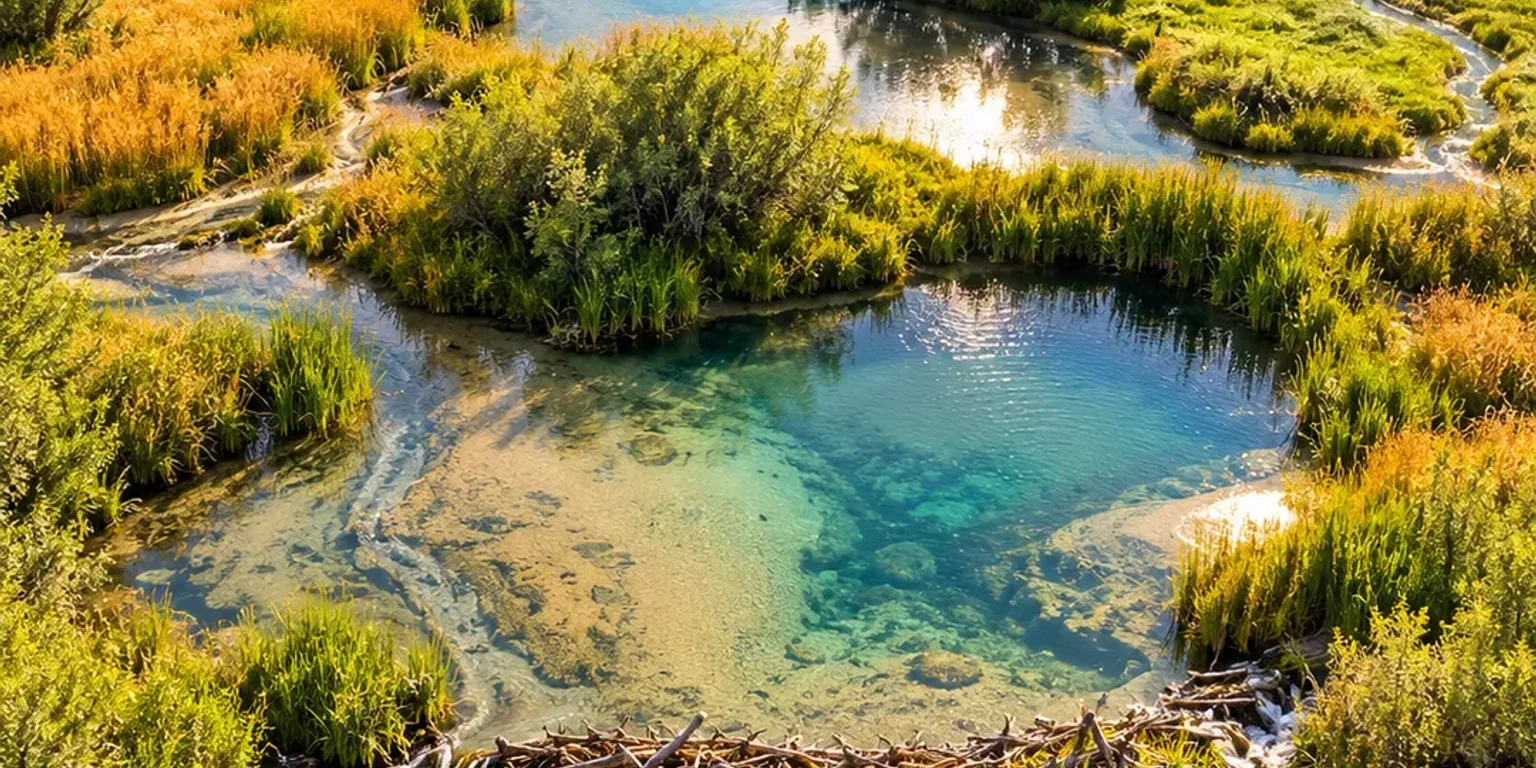
 Practical Engineering · Are Beavers Actually Good at Dams?
Many biologists bring beavers to degraded streams to restore them, says Grady, a former dam engineer who spent years comparing human dams with beaver dams. The reason is counterintuitive: beaver dams help rivers because they leak, fail, and spill water sideways.
Human dams are built to plug a river. Beaver dams only sieve it. Built from sticks and mud, they are messy and porous, so water, sediment, nutrients, and fish still move through. That matters because human structures hold back far more silt and food material, leaving the river below short of supplies, while a beaver pond only slows the flow.
Then the beaver dam fails, and that failure is part of the cycle. Beaver dams are fragile and are frequently abandoned or washed away, and human dams are built to last. When the builders leave or a dam washes out, the drained pond becomes a beaver meadow, an uncommon open wetland that supports many plants and wild creatures. Healthy streams move through such successions as landscapes evolve, while a permanent human dam can freeze that cycle, leaving the valley stuck or slowly declining.
Beaver dams also spread water outward. They are fairly short and have no spillways or floodgates, so they push rising water sideways into the floodplain and create a scattered mix of grassy clearings and marshy pools. Those slow, shallow flows help process pollutants and let water soak in to recharge groundwater. Large floods that carry sediment and nutrients downstream are not blocked.
The irony is in the motive. People build reservoirs to store water, tame floods, make electricity, and offer boating and swimming, yet, in Grady's words, "the road to noble infrastructure is paved with degraded ecosystems and unintended consequences." Beavers build only for protection from wolves, bears, and eagles on land, using a pond as a moat around a lodge with an underwater entrance. They are not trying to save a river, but their porous, temporary, floodplain connected dams accidentally add richness, complexity, and biodiversity, but only where the setting is right.
Questions people ask
If beaver dams help rivers, why do people tear them out?
Because they flood land people want dry. Beavers flood pastures and crops, clog culverts, cause roads to overtop with water, damage infrastructure, and weaken riverbanks with burrows that accelerate erosion. In Patagonia, where beavers were introduced for fur in 1946 and have no predators, they have spread widely and altered subantarctic forests.
Can people copy beavers?
Managers already do. They build Beaver Dam Analogues, simple imitations of posts, willow, and mud that mimic the leak and the sideways spill to trap sediment, raise groundwater, and create wetland habitat. In some watersheds they also relocate live beavers to build and maintain the structures themselves.
What happens to a beaver dam in a really big flood?
A human dam is built to withstand the probable maximum flood, the most severe flood conceivable for its location, largely to protect downstream communities. A beaver dam is not built for rare floods, so a large flood overtops or washes it away. That still lets the big pulses of water, sediment, and nutrients move downstream.