Beer, Popcorn, and Cookies Owe Much of Their Appeal to One Reaction
When sugars and proteins cook together, they create hundreds of new flavor and aroma compounds.
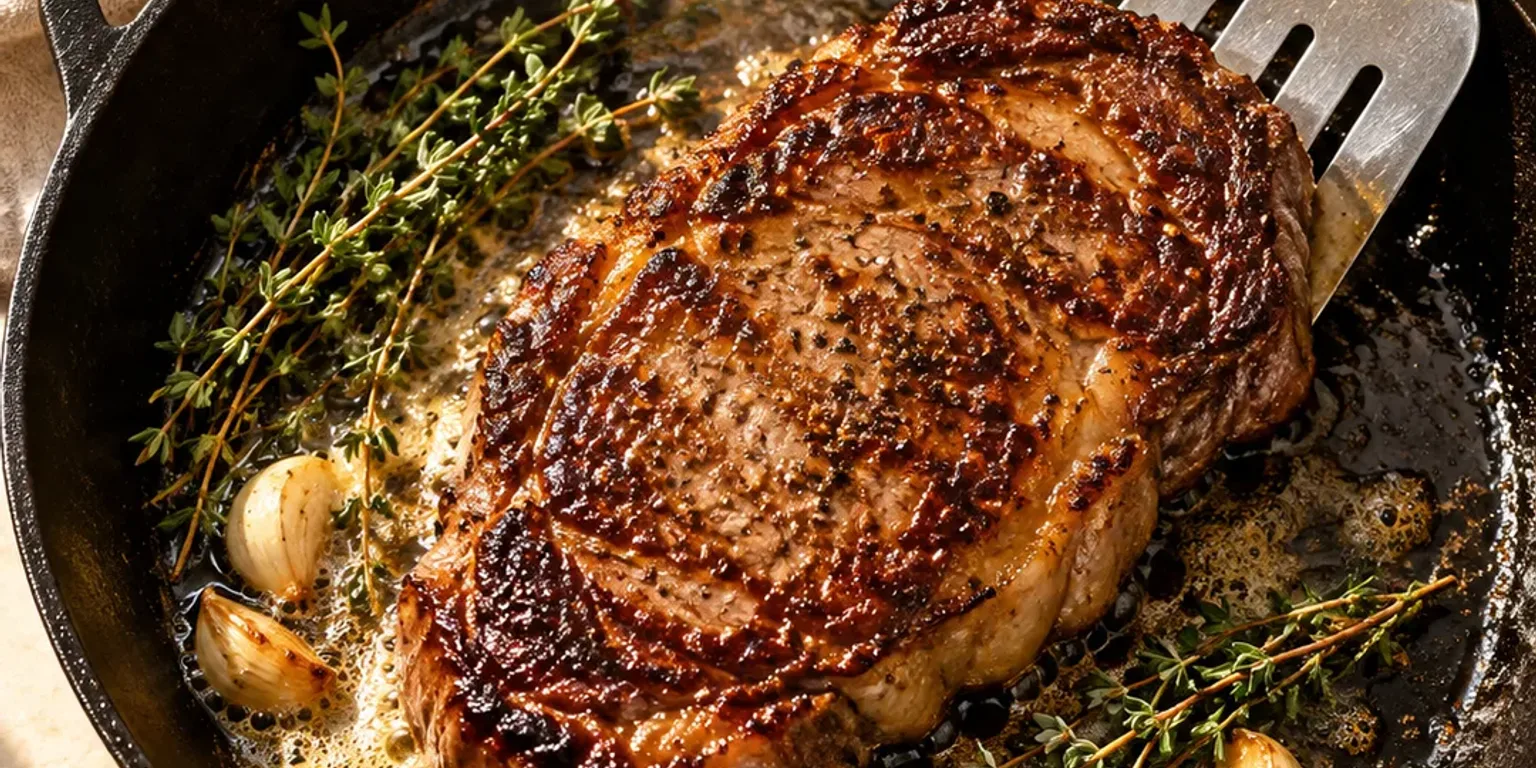
 Reactions · Why the Maillard Reaction Makes Everything Delicious
Beer owes much of its deep color, popcorn much of its smell, and cookies much of their taste to the same chemical reaction.
It is called the Maillard reaction, sometimes called the browning reaction, and it is not one reaction but a cascade of many reactions happening at once while food cooks.
Those reactions happen when sugars meet amino acids, the small units that link together to form protein, and they produce hundreds of new compounds.
Three families do a lot of the work. Alkylpyrazines add cocoa flavor and the nutty, roasted notes in coffee. Furanones add caramel-like flavor to bread and toast. Thiophenes add meaty flavor to meat, and also show up in garlic.
Questions people ask
What temperature makes this reaction happen?
The reaction works best between about 230 and 340 degrees Fahrenheit. In that range, reactions run faster and surface water evaporates, letting browning proceed. Hotter than that, food starts to burn and turns charred and bitter.
Is this the same as caramelization?
No. Caramelization involves only sugars breaking down under heat, as when white sugar melts into caramel. The Maillard reaction requires both sugars and amino acids from protein, and it creates a much wider range of savory, nutty, and roasted flavors.
Can I make the reaction happen faster at home?
Yes, with heat management and a little chemistry. Patting food dry and using a hot, uncrowded pan helps water evaporate so browning can start. For onions, a tiny pinch of baking soda raises the pH and speeds browning, but too much leaves browned, mealy onion goop.