Before You Automate Anything, Try Deleting It
Tesla learned the hard way after automating first, then tearing hundreds of robots out of its factory.
 Founders · How Elon Thinks
Elon Musk, the entrepreneur behind Tesla and SpaceX, says he became a broken record about his five step method for fixing how things are made. Get the order right, he says, and automation comes last, only after questioning, deleting and simplifying.
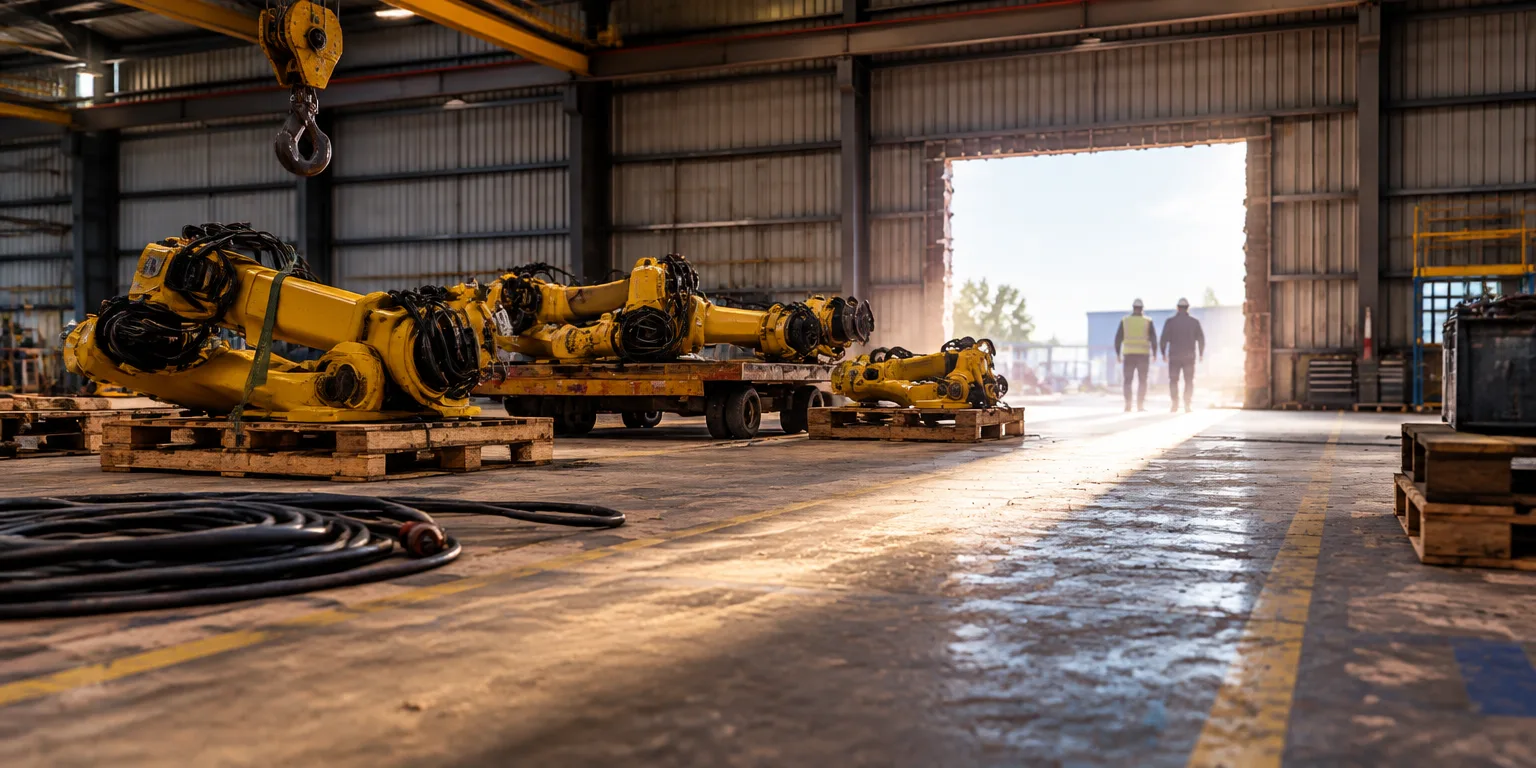
He got it wrong himself at Tesla, where he automated first. Musk says he started by automating every step of the factory. He says, "we had to tear hundreds of expensive robots out of the production line" and "We put a hole in the side of the building just to remove all that equipment."
To avoid that trap, Musk says to question every requirement and trace it to a named person, not a department, because digging often shows that no one still there agrees with it. Then he says to "try very hard to delete the part or process." His test is that you are not deleting enough unless about one in 10 deletions has to be put back. At SpaceX, he called that approach a deletion rampage, where nothing was sacred.
Only what survives should be simplified, then sped up. Musk says to go faster only "once you're moving in the right direction and moving efficiently." He says, "I mistakenly spent a lot of time accelerating processes that I later realized should have been deleted." As Musk puts it, "If you're digging your grave, don't dig it faster. Stop digging."
The takeaway he offers is to prove the work should exist, in its simplest form, before letting machines do it.
Questions people ask
How do I question a requirement in an office or at home?
Ask who owns it by name, what problem it solves, and what would break if it disappeared. If no one will defend it, or no one remembers why it exists, treat it as a candidate for deletion before you try to improve it.
What does Musk's 10 percent rule mean outside a factory?
It looks like removing a form field, a meeting, an approval, or a tool, then watching what happens. If about one in 10 removals causes a real problem, you restore that one and keep the other nine gains.
Does automate last apply to software and AI tools too?
Yes, and often even more so, because code and tools make a bad workflow harder to see and harder to undo. Clean up the steps, the wording, and the speed on paper first, then buy software or build an automation to lock in the simpler version.