Being Too Busy for Friends Can Protect You From Rejection
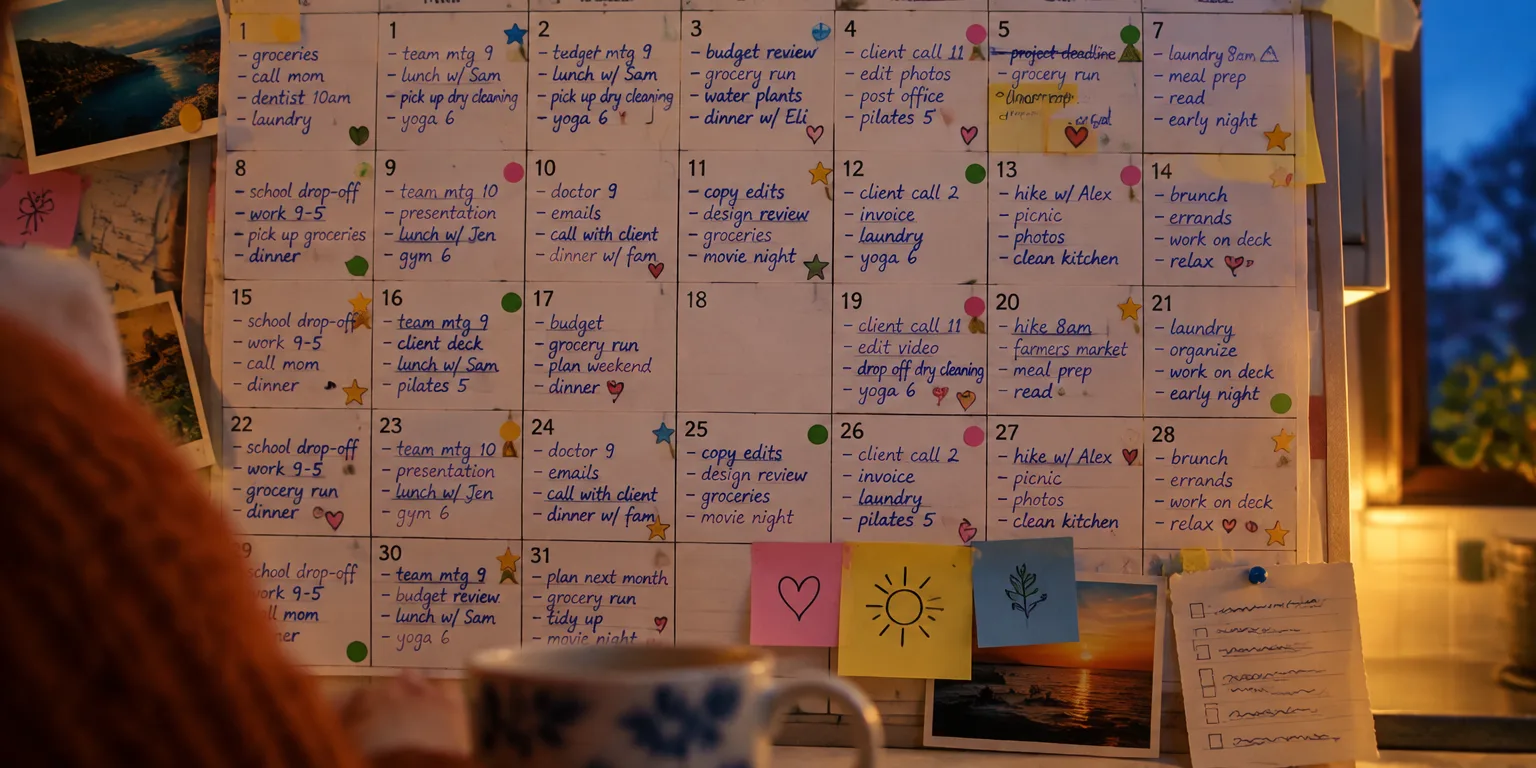
Therapist Minaa B. says a packed calendar can function as a wall against vulnerability.
 This Feels Familiar with Minaa B. · 80: How to Make and Sustain Friendships as an Adult
Minaa B. was explaining why adult friendship feels so difficult. She had described how school once did the work automatically, by putting the same people together every day, and how early hurts can linger, being ostracized in middle school, being bullied in high school, or suffering a bad friendship breakup at 25. Then she turned to busyness.
"If you're too busy to try, you can't be rejected," she said. "If you're too busy to invest in other people, you can't get hurt."
She does not dispute that life is genuinely busy, but she argues that busyness also works as protection. No attempt means no rejection, and no investment means no hurt. In her view, busyness becomes a wall between a person and potential vulnerability. Fear is part of this too: fear of not knowing what to say, of feeling inadequate, or of judging where you are in life.
That is what she says she hears in her work. Adults tell her they are embarrassed about the job they have, embarrassed about being recently divorced, or embarrassed about not having children yet, and they avoid meeting new people for fear of disapproval. She believes comparison plays a role too, because people who are scrutinizing themselves tend to project that scrutiny onto others and assume judgment that may not exist.
Her point is not that calendars are empty. In her view, a full calendar can keep you from asking whether being turned down would hurt more than never trying.
Questions people ask
How can I tell if I am genuinely overloaded or using busyness as protection?
A practical test is whether free time actually goes to people. If cancellations bring relief rather than disappointment, or if even small openings feel unsafe to fill with a coffee or call, fear may be doing more work than logistics. Tracking one week of discretionary time often makes the pattern visible.
What is a low-pressure way to try if I am afraid of rejection?
Start with repeated, low-stakes contact around something you already enjoy, like the same weekly class, volunteer shift, or book club. Familiar faces reduce the pressure to impress, and brief, friendly follow-up afterward matters more than one perfect conversation.