Big banks cannot afford debit card cash back, but tiny banks can
Big banks are capped at 21 cents plus 0.05% per debit swipe, leaving little to share, while exempt small banks can fund 2% back.
 PolyMatter · How America’s 4,488 Banks Work
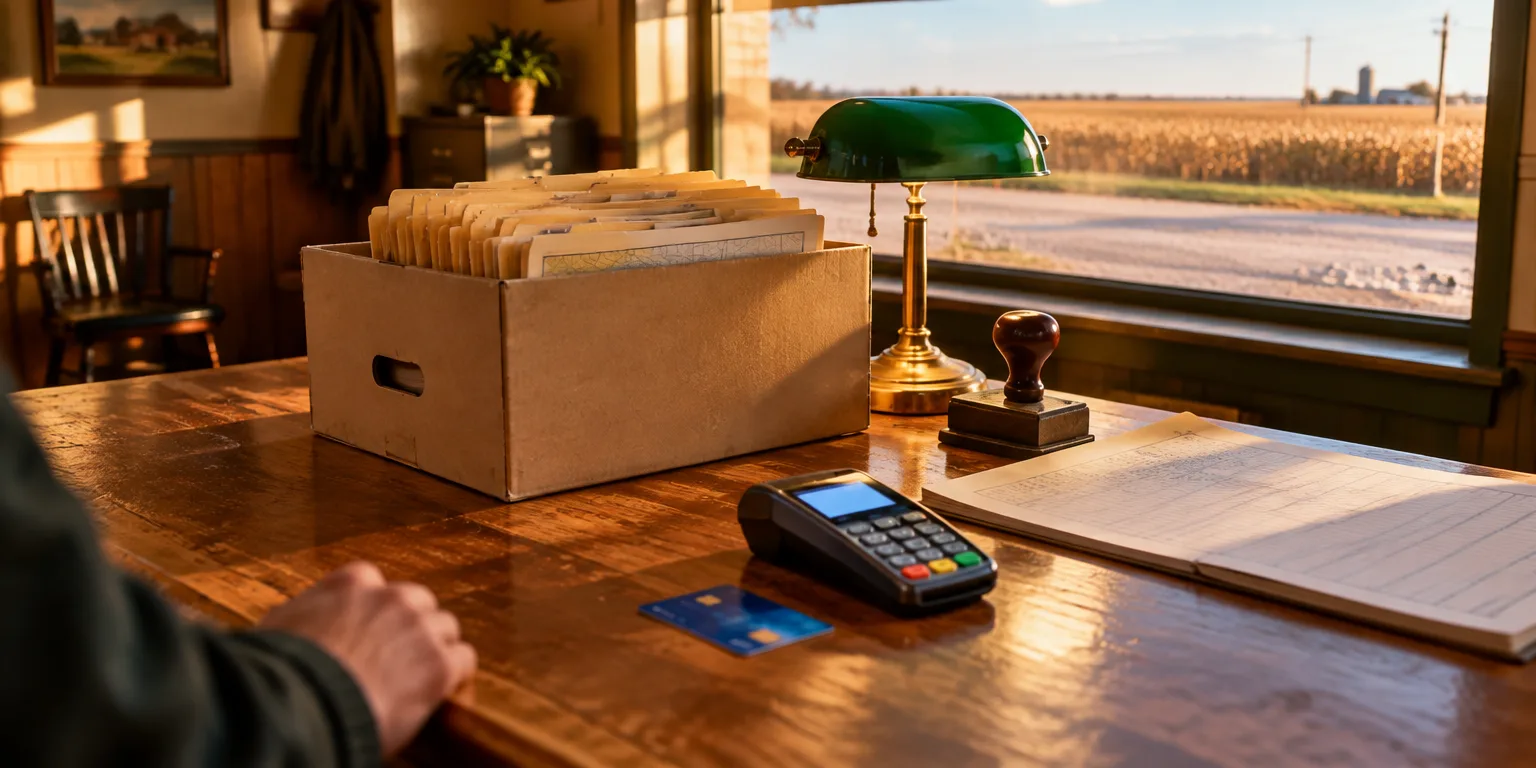
In Kentland, Indiana, a town of 1,828 people surrounded by cornfields, the smallest bank in America still runs on paper. Kentland Federal Savings and Loan was founded in 1920 and now holds $3 million in assets, with no fees, no ATMs, and no computers, and it keeps property deeds in a cardboard box. You can open an account with a $5 bill, and it is one of three banks in a town that has only a fast-food restaurant, a tavern, and a fitness center.
Yet that tiny bank can afford to make an offer that JPMorgan Chase cannot profitably match: cash back on a debit card, like 2% back on groceries. The reason comes down to what happens when you swipe. When you buy something at a store like Costco with a debit card, your bank charges the store a fee, and cash back is simply the bank sharing a slice of that fee with you.
That fee was limited by the Durbin Amendment, part of the 2010 financial reform law passed after the financial crisis. Starting in 2011, it capped the debit card fee for big banks at 21 cents plus 0.05% of the purchase. On an ordinary purchase, that leaves little to split with the cardholder, which is why most debit cards pay no cash back. Shoppers who want that kind of payback usually have to open a credit card account.
The same law exempts banks with less than $10 billion in assets, so they can still charge stores a higher fee and afford to share it. The exemption lets small banks pay debit card cash back that big banks cannot afford to pay under the cap.
Questions people ask
Why did Congress cap debit card fees in the first place?
It was the Durbin Amendment, part of the post-financial crisis banking reforms. Lawmakers argued that Visa, Mastercard, and big banks were charging merchants inflated swipe fees, so capping debit fees would help retailers and, in theory, lower prices for shoppers.
Why can big banks still offer generous rewards on credit cards?
The 2011 cap applies only to debit cards, not credit cards. Credit card fees to stores are still typically 1.5% to 2.5% of the purchase, plus banks earn interest, so there is plenty of margin to fund 2% or 3% rewards. That is one reason big banks push credit cards so hard.
Do banks try to stay under $10 billion to keep the exemption?
Yes, crossing $10 billion is known as the Durbin cliff, because a bank can lose tens of millions a year in debit fee income overnight. Some banks near the line have slowed growth, sold assets, or restructured to stay under it, while others decide the benefits of growing larger outweigh the lost fees.