Big Data Centers Pledge to Bring Their Own Power to Protect Household Bills
Tech companies promise to match new server farms with new generation, and regulators are weighing rules for large users to cover their costs.
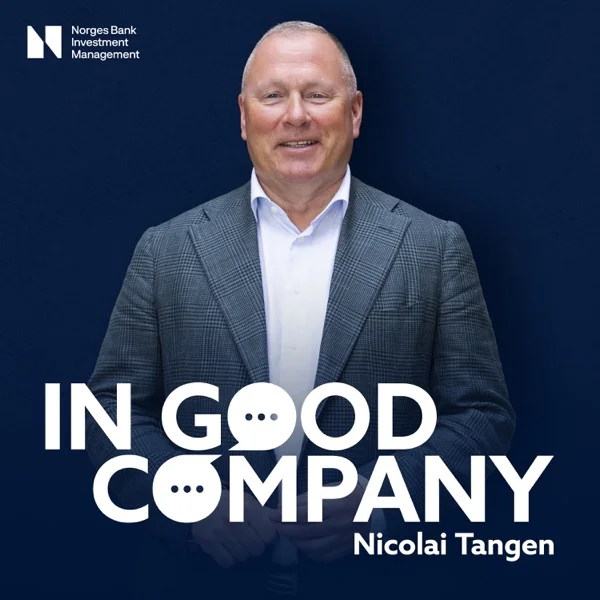 In Good Company with Nicolai Tangen · NextEra Energy CEO: Powering AI, Nuclear's Comeback and a Historic Utility Merger
For years, a big factory could simply plug into the local grid. For the giant data centers behind artificial intelligence, that practice is under pressure.
John Ketchum, chief executive of NextEra Energy, one of America's largest power companies, says much of the spare electricity on the grid is gone, so if a data center takes power meant for others, it can tighten supply and push up household bills.
The fix being tried is simple in concept: match each data center with its own new generation. The large tech companies that build data centers, known as hyperscalers, have signed what the industry calls a ratepayer protection pledge, a voluntary promise.
Under that promise, a company building in a given state pays to add enough generation to cover its own use, rather than drawing down capacity that would otherwise serve homes and businesses. Ketchum says the companies are sensitive to being blamed for higher retail prices, and want to show they are paying their own way.
Regulators are weighing whether to turn the same idea into requirements. Federal energy regulators are reviewing the market designs of the country's big regional grid operators, including PJM, MISO, and SPP, which manage power flows across many states. Ketchum describes the aim under discussion as the same: large new users would cover the full cost of supplying them.
Florida offers an early model. NextEra's utility there, Florida Power and Light, requires large users to cover their full costs for generation and transmission under a large-load tariff that lawmakers recently wrote into state law. Ketchum says other states are looking at similar protections, and that Dominion has signed the same pledge.
Questions people ask
Do tech companies actually build the power plants themselves?
Usually it means paying for it, not building it. A tech company signs a long-term contract to buy power from a new plant, and that guaranteed revenue lets a power company finance and build the plant. The data center may sit nearby so the connection is clear, but the utility generally builds and runs the generator.
What is a large-load tariff?
It is a special electricity rate for very large users. Instead of charging them like a house or a small store, it adds the added cost of the generation and transmission needed to serve them. Florida put its version into state law.
Will this keep household electric bills from rising at all?
It lowers one important risk, but it is not a guarantee. Household bills can still move because of fuel prices, storms, past investments, and the cost of upgrading local wires. What the pledge aims to prevent is households subsidizing the new generation built for data centers.