Bill Ackman looks for businesses that collect royalties
They throw off cash that keeps growing for decades, and McDonald's shows how real estate and franchising fit in.
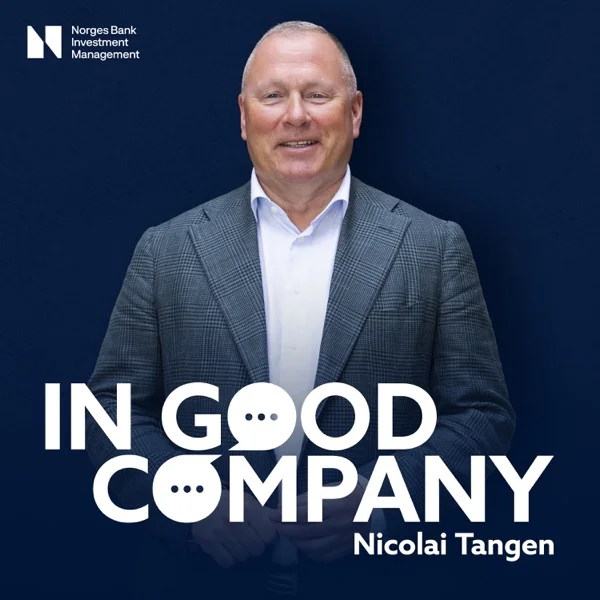 In Good Company with Nicolai Tangen · Bill Ackman: Concentrated Investing, Permanent Capital, and the Value of Being Challenged
Bill Ackman, the investor behind Pershing Square, looks for businesses whose structure matters more than their industry.
He calls them royalty collecting companies. Like an annuity, they throw off cash that keeps growing at a high rate for a very long time, and that cash does not need to be put back into the business to keep it running.
He has focused on franchise models. Running a single bar or restaurant is hard, as his daughter, who runs a cocktail bar, knows well. Owning the system that collects a cut from thousands of them is different. The franchisees do the daily work of cooking, hiring, and cleaning, while the parent collects royalties on every sale.
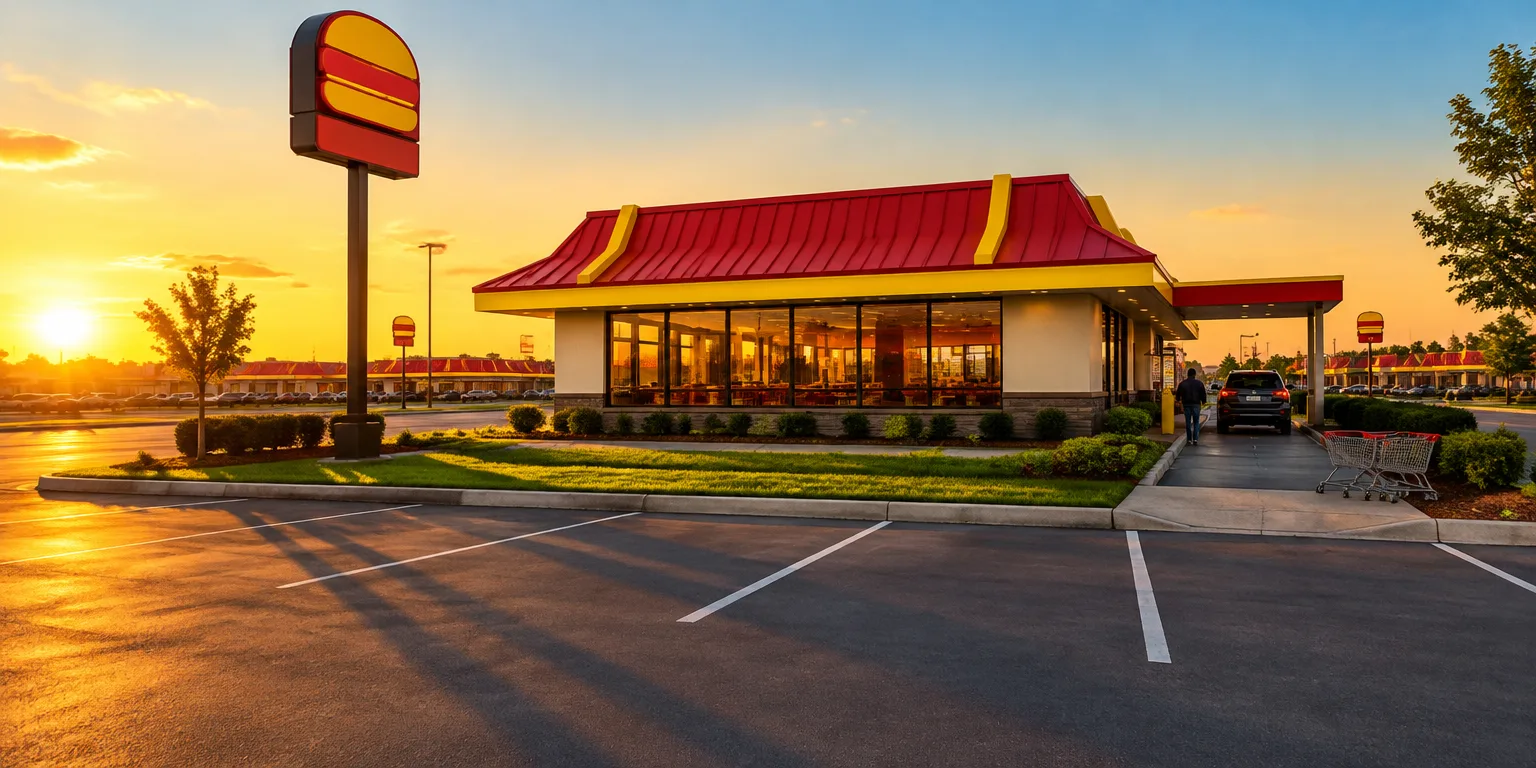
Ackman says McDonald's was long misunderstood. People treated it mainly as a restaurant chain. At its core, he says, it is a restaurant business, but it also earns from property and from running a franchise system. What counts, in his view, is how the company is organized rather than the industry label.
His team keeps its investment principles as a checklist on a tablet. The starting test is whether the team can picture the future of the business clearly enough to put a number on it.
In practice, that means building a financial model of the cash the company will generate over the next 10, 15, or 20 years. The value of any financial asset, he says, is the present value of that future cash.
That kind of foresight requires protection. The company needs what investors call a moat, a durable advantage that keeps competitors out and sales steady. Ackman says his firm avoids businesses that are sensitive to commodity prices, sensitive to interest rates, or sensitive to regulation.
Questions people ask
If McDonald's is a real estate business, does it own the land under its restaurants?
Largely yes. McDonald's owns or holds long term leases on much of the land and buildings for its restaurants, then leases those sites to franchisees. The rent, along with royalties tied to sales, is a major source of its steady income.
What is a moat in investing?
A moat is a durable competitive advantage that protects profits, like a strong brand, patents, network effects, or high switching costs. The term was popularized by Warren Buffett. A wide moat lets a company earn high returns for years without being undercut.
Why avoid commodity, interest rate, and regulatory sensitive businesses?
Their profits swing on outside forces that are hard to forecast, from oil prices to central bank moves to new laws. That makes 10 to 20 year cash forecasts unreliable. Predictable royalty style businesses depend more on habits and contracts than on those swings.