Bill Ackman Says Doctors Give Up Too Soon on Brain Injuries
After his daughter's hemorrhage left her relearning to speak and walk, he is funding a New York institute for brain recovery.
 In Good Company with Nicolai Tangen · Bill Ackman: Concentrated Investing, Permanent Capital, and the Value of Being Challenged
Early one morning, Bill Ackman's 26-year-old daughter suffered a large brain hemorrhage while she was home by herself. After repeated attempts to reach her failed, her family found her late that night, after pressure had been building in her brain for almost 19 hours.
The bleeding came from a tangle of arteries and veins, a condition Ackman described as an arterial venous malformation. He said his daughter had never had symptoms, and she had never had the kind of brain scan that could have found it.
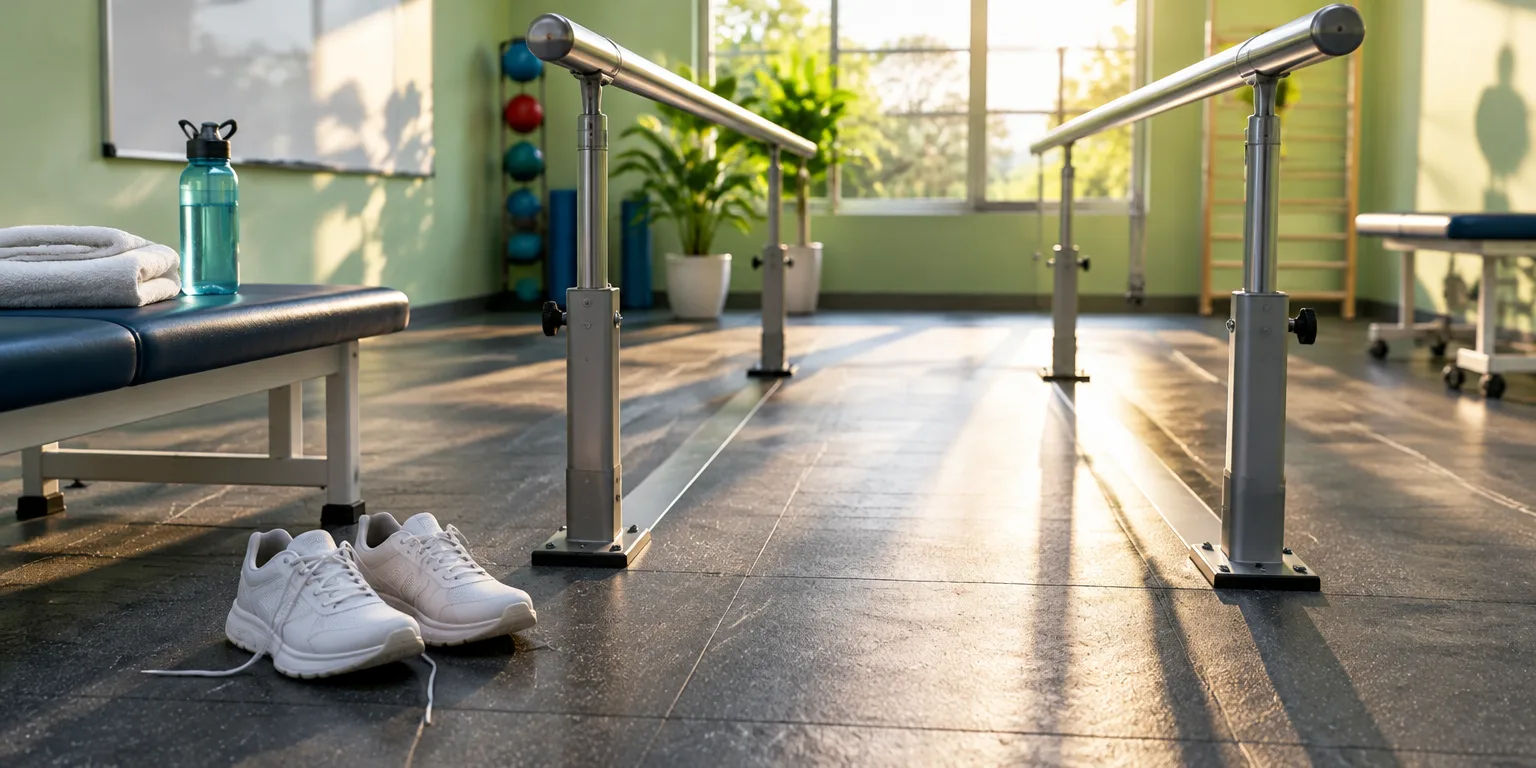
His main goal became bringing her back. The last seven months, he said, have been dominated by her care, and by his effort to learn about recovery from strokes, brain injury, and rehabilitation.
This matters, in his telling, because brain medicine expects too little. Ackman, the investor who runs Pershing Square, said "most people die" from this kind of bleed, and even those who are saved, "they die later in a nursing home." Ackman called many neurosurgeons and neurologists nihilists who "don't really believe that they can do much for patients," and he argues that much more can be done.
His evidence starts at home. His daughter had lost the ability to walk, speak, and see. Ackman said she appears cognitively intact, and she is now relearning how to speak and learning again how to walk.
The hardest remaining problem, he said, is damage to the optic nerve from pressure on the brain. He said she has probably lost 98 percent of her vision, though he remains hopeful even there.
The more he learned about rehabilitation, he said, the more he concluded that too little time, money, and attention has gone into the brain. Alongside the work on his daughter, he has assembled a 3.4 acre site in New York with a 400,000 square foot biotech building for an institute devoted to brain injury, and he has used posts on X to recruit scientists and leaders to run it.
He has spent recent months meeting with companies developing devices that read signals from the brain, including Neuralink and makers of less invasive systems. He believes that, combined with artificial intelligence to detect and interpret those signals, such tools could within years help blind people see and paralyzed people walk. For now, the work is close to home, in daily practice over words and steps.
Questions people ask
What is an arterial venous malformation?
It is a tangle where arteries connect directly to veins without the normal small vessels in between. The high pressure blood flow can weaken the vessels and cause them to rupture, leading to bleeding in the brain. Many cause no symptoms until they bleed and are often found only if someone gets a brain scan for another reason.
What does brain rehab after a hemorrhage involve?
It usually involves physical, occupational, and speech therapy, repeated practice of basic movements, and training for memory and attention. Recovery can continue for months or years because the brain can slowly form new connections around damaged areas. Intensive, sustained rehab is often the difference between regaining function and not.
What is a brain computer interface?
They are systems that record electrical activity from the brain and translate it into commands for a computer, a prosthetic, or a stimulator. Some require implanted electrodes, while others sit on or outside the scalp. Researchers are testing whether they can restore movement, communication, and eventually aspects of vision by bypassing damaged pathways.