Bob Dylan Made Himself by Studying Everyone Else First
He copied other singers exactly, read old newspapers for their words, and saved what he learned for later.
 Founders · #429 Bob Dylan's Autobiography
Long before anyone knew his name, Bob Dylan, the Minnesota kid who would become a famous songwriter, treated becoming original as homework. He did not wait to be discovered. He built a self he could perform.
His first method was total immersion. In the eight or nine months before he left for New York, he studied every folk album he could find. Broke and unable to buy records, he spent hours in record store listening booths and went to the houses of friends who owned large collections and listened to their records.
His second method was copying in public. Once in New York, he played anywhere, on the street, in coffeehouses, for one person, for no people, or for 100 people. Other musicians said he watched them so closely that he could perform any of their songs exactly, matching tone and tempo. In his memoir, Dylan wrote that what set him apart was his repertoire, "more formidable than the rest of the players," because his template was hardcore folk songs.
His third method was stockpiling language. Izzy, who owned one of the small clubs where he played, let him sit in a back room and listen. Dylan called it "filled with records and a phonograph." He paid little attention to the modern world and spent his time on history and on biographies of people in his industry and beyond.
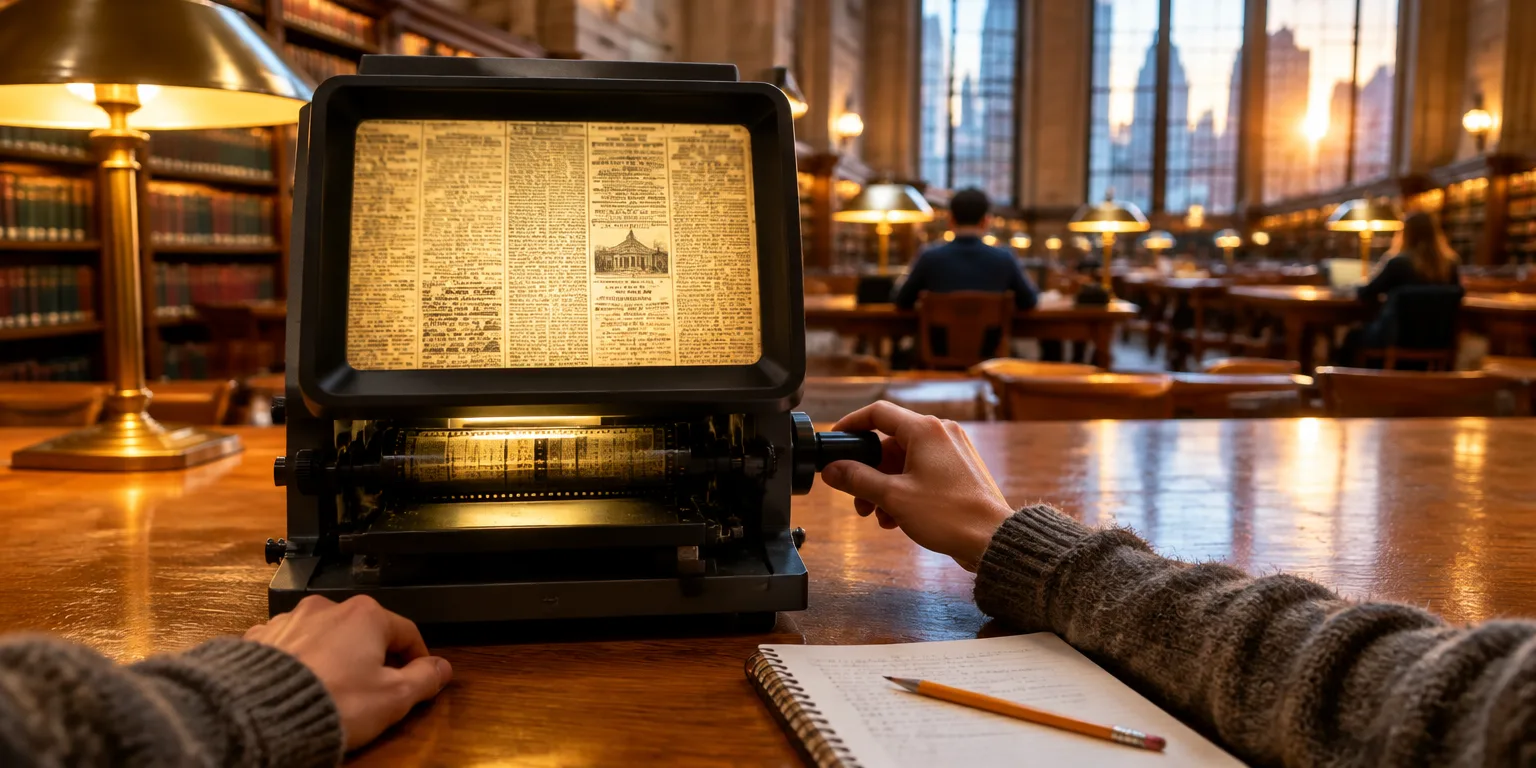
When he wanted to slow his mind down and become a composer with something to say, he went to the New York Public Library and read Civil War era newspapers on microfilm "from about 1855 to about 1865 to see what daily life was like." He said he was less interested in the issues than in the language and rhetoric of the time, digging like an archaeologist for material for his craft.
He did not try to use it right away. He wrote: "I crammed my head full as much of this stuff as I could and I locked it away in my mind out of sight." He left it alone, figuring, "I figured I could send a truck back for it later."
Questions people ask
Did copying other singers hurt his originality?
No, it built it. Dylan used imitation to learn tone, timing, and structure, then combined what he absorbed into a larger repertoire than his peers. Once he had the templates, his repertoire was larger and more rooted in hardcore folk songs than those of the other players around him.
Why read Civil War newspapers if he did not care about the Civil War?
He wanted the way people spoke, not the politics. Old headlines, notices, and speeches gave him rhythms, phrases, and rhetoric he could reuse in songs. A songwriter lives on fresh language, and history is a cheap, rich supply.
What does it mean to send a truck back for it later?
It means learning without pressure to use it immediately. Dylan filled his mind with history and language and left it alone until a song needed it. The habit works if you keep filling the warehouse, through reading, listening, and notes.