Bosses Can No Longer Do What Their People Do
McChrystal says the gap forced him to become more transparent, listen more, and accept reverse mentoring from below.
 TED · Stanley McChrystal: Listen, learn ... then lead
Stanley McChrystal, a retired U.S. Army general who led American forces in Afghanistan, was visiting an elite infantry platoon after an operation there. One sergeant had thrown back an enemy grenade that landed with his team, at the cost of much of one arm.
After they talked through the operation, McChrystal asked what he often asked troops: "Where were you on 9/11?" One younger soldier toward the back, with messy hair and a face reddened by the cold wind, answered, "Sir, I was in the sixth grade."
McChrystal says that exchange captured what he calls the inversion of expertise. He puts the question this way: "How does a leader stay credible and legitimate when they haven't done what the people you're leading are doing?"
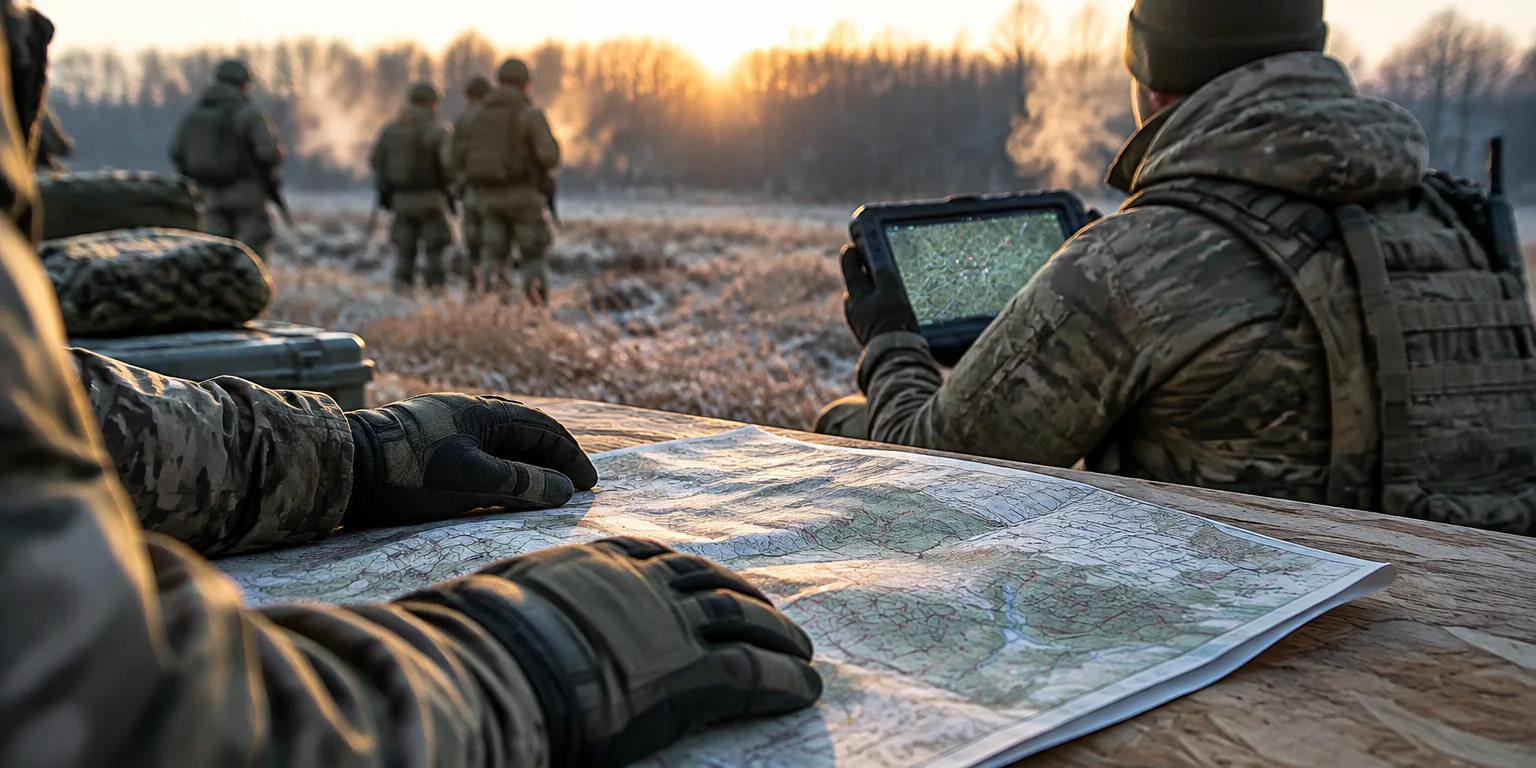
What taught him the idea, he says, was how much technology, tactics, and other changes at lower levels had remade the work. The things he and other senior leaders grew up doing were no longer what the force was doing, while younger troops brought different experiences, often a different vocabulary, and stronger digital media skills.
Yet McChrystal argues the force still needed shared purpose and shared awareness across that gap. With men and women, young and old, military and civilian, many of them detailed to him by little more than a handshake, he says leadership meant building consensus and a sense of shared purpose instead of giving orders.
That forced him, he says, to become more transparent, more willing to listen, and more willing to be, in his words, "reverse-mentored from lower." He had to build that credibility even though the force was spread out and not all in one place.
Questions people ask
What does reverse-mentored actually mean?
Reverse mentoring is when a junior person coaches a senior person, usually on a new skill or perspective. In business it is often used for technology, social media, or cultural change, with a younger employee meeting regularly with an executive to teach and give feedback.
What is a Ranger platoon?
Rangers are elite U.S. Army infantry trained for raids, ambushes, and other high-risk missions, often at night and in difficult terrain. A platoon is a small unit of roughly 20 to 40 soldiers, led by a lieutenant with senior sergeants who do much of the day-to-day leading.
Why would digital skills matter so much in combat?
Modern operations depend on drones, video feeds, chat, email, and mapping software as well as rifles. Younger troops who grew up with digital tools often operate those systems more fluently than senior officers, so decisions and information flow depend heavily on their technical skill.