Breaking a Hip After 65 Carries a 30 to 40% Risk of Death Within a Year
Bone thinning rises around menopause, and a bone scan shows where you stand.
 Andrew Huberman · Exercise, Nutrition, Hormones for Vitality & Longevity | Dr. Peter Attia
If you are 65 or older and break your hip in a fall, there is a 30 to 40% chance you will be dead within a year. That figure comes from Peter Attia, a doctor and host of a health podcast.
Thin bones make those breaks more likely. Attia said "estrogen is the single most important hormone" in regulating bone mineral density, which is why women approaching or just past menopause face high risk for thinning bones.
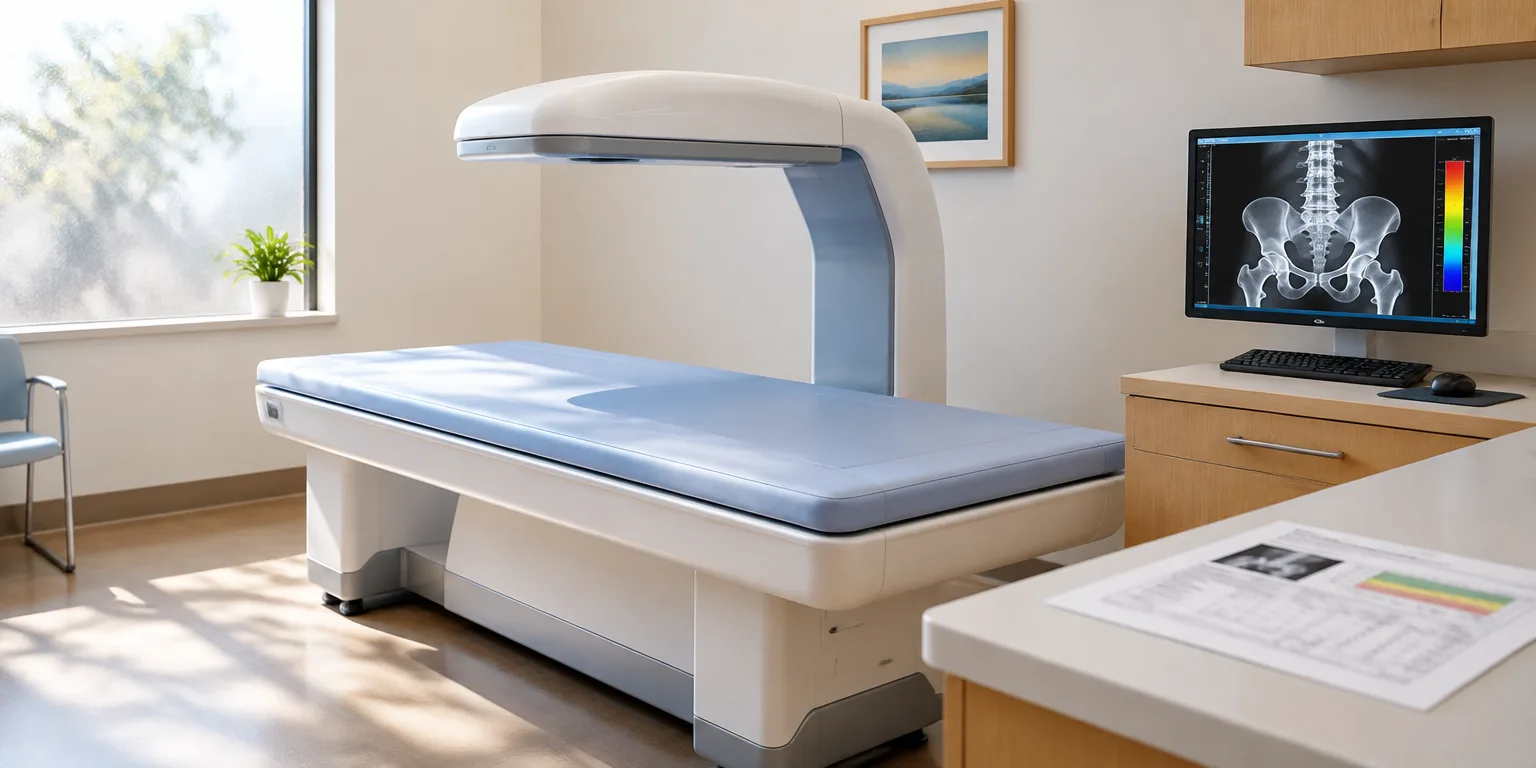
To track where you stand, he points to a DEXA scan, a low-dose X-ray that reports bone density as a Z-score. As Attia puts it, a Z-score of zero puts you "at the 50th percentile for your age and sex"; minus one means one standard deviation below.
If "you're anywhere off the pace," Attia says to ramp up the strategy to build bone. He calls strength training "probably the single best thing you can do."
Questions people ask
Why would a broken hip lead to death months later?
It is rarely the break itself. After a hip fracture, many older adults stay in bed, move much less, and lose strength fast. That immobility raises the risk of blood clots, pneumonia, infections, and further falls, especially in people who were already frail.
How does lifting weights build bone?
Heavy muscle contractions tug on tendons and compress the bone, and bone senses that strain. That signal activates osteoblasts, the cells that build bone. Over time, progressive loading can maintain or increase density, especially with adequate protein and overall activity.
What is a DEXA scan like?
You lie still for a few minutes while a low-dose X-ray arm passes over you, usually measuring the hips and spine. The radiation dose is very small, often less than a day of natural background exposure. Clinics often repeat it every year or two to track change.