Britain Paid for Its Tea With Opium, Then Took Hong Kong When China Fought Back
Around 1700 tea in Europe cost roughly ten times as much as coffee, and the scramble to ship it from China produced the fastest sailboat of its day.
 TED-Ed · The history of tea - Shunan Teng
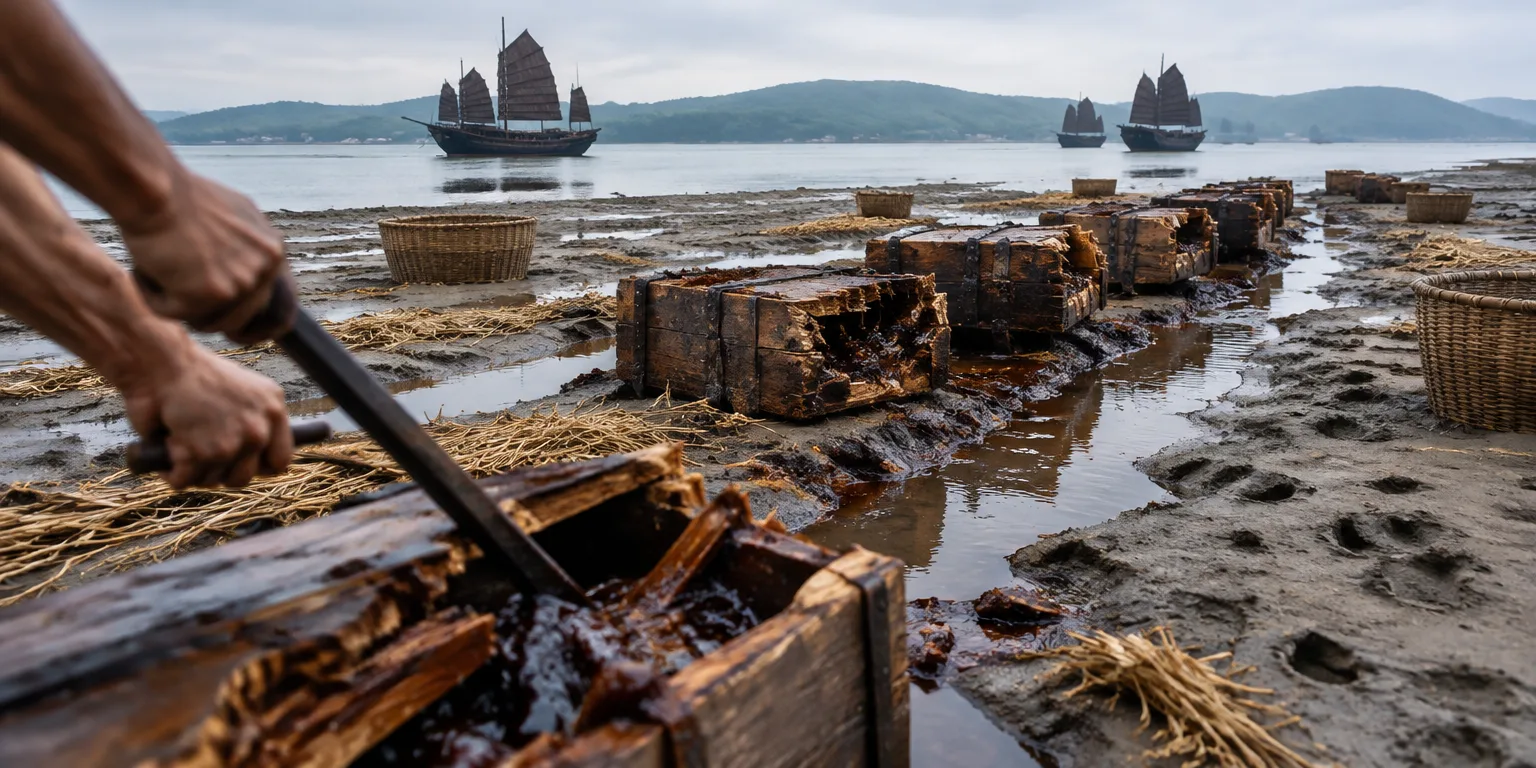
In 1839, a Chinese official sent workers to seize huge British stores of opium. Workers broke open the chests along the shore and destroyed the drug in full view, a public rejection of British power in China.
The clash had started with something ordinary, Britain's taste for tea. Around 1700, tea in Europe cost about ten times as much as coffee, and China was still the only place where the tea plant was grown. As Britain grew, its thirst for the drink grew with it.
That thirst explains how a warm drink led to a war that cost China Hong Kong. British merchants had been paying for Chinese leaves with silver. The steady drain of metal soon felt too heavy to bear, so traders looked for another way to pay.
The tea business was rich enough to reshape sailing. Rival Western firms hurried to be first home with each season's cargo, because an early arrival could earn a higher price. From that rivalry came a new vessel, the clipper ship, the quickest sailboat of its era.
The substitute for silver was opium. British traders offered the addictive drug in exchange for tea. As the drug moved through Chinese ports and inland markets, use spread and many people became hooked, with heavy costs for health, family life, and work.
The destruction of the opium in 1839 was a challenge to that growing British sway. The answer was the First Opium War, with British and Chinese forces fighting along China's shoreline for three years.
It ended in 1842 with a defeat that reshaped China. The Qing rulers, the imperial dynasty then governing the country, gave up Hong Kong to Britain and agreed to trade under harsh terms. China's weight in the world stayed diminished for well over a hundred years afterward.
Questions people ask
What is opium and why was it so damaging in China?
Opium is a powerful, addictive drug made from poppy plants. In 19th-century China, British merchants sold large quantities grown in British-controlled India, and widespread addiction hurt health, work, and family life, while silver flowed out of China to pay for it. The crisis is why Chinese officials saw the drug as both a moral and an economic threat.
What made clipper ships so fast?
Clipper ships were long, narrow wooden sailing ships with a huge spread of canvas sails. That sleek hull and extra sail let them outrun bulkier merchant ships on long ocean routes, which mattered when the first tea cargo home each season could command the best price.
How long did Britain keep Hong Kong?
Britain held Hong Kong Island after the 1842 treaty, later adding nearby territory, and governed it for more than 150 years as a major trading port. Control of Hong Kong ended in 1997, when Britain returned the territory to China under an agreement promising a high degree of autonomy.