Britain Shows What Happens When Everything Can Be Blocked
A rail line tripled past £100 billion, a bat shelter needed 8,000 permits, and houses now cost 11 times earnings.
 Noahpinion · The UK is a cautionary tale for the U.S.
Britain set out to build a superfast rail line linking the capital with Birmingham and other northern cities. Since it was proposed in 2009, the projected cost of that line, High Speed 2, has more than tripled to top £100 billion, which Atlantic writer Idrees Kahloon, quoted by Noah Smith, calls "the most expensive rail line in the world."
Key stretches of the planned route were dropped. The remaining stub from Birmingham to the edge of London may not open until 2040.
That saga shows how the approval system can stall anything. Britain has almost no zoning code that says what can be built where. Every major project is a separate fight over permission with councils and local residents. NIMBY is shorthand for Not In My Back Yard, used for neighbors who fight construction near them. Each objection can force another study, permit, redesign, or protection, and the costs compound.
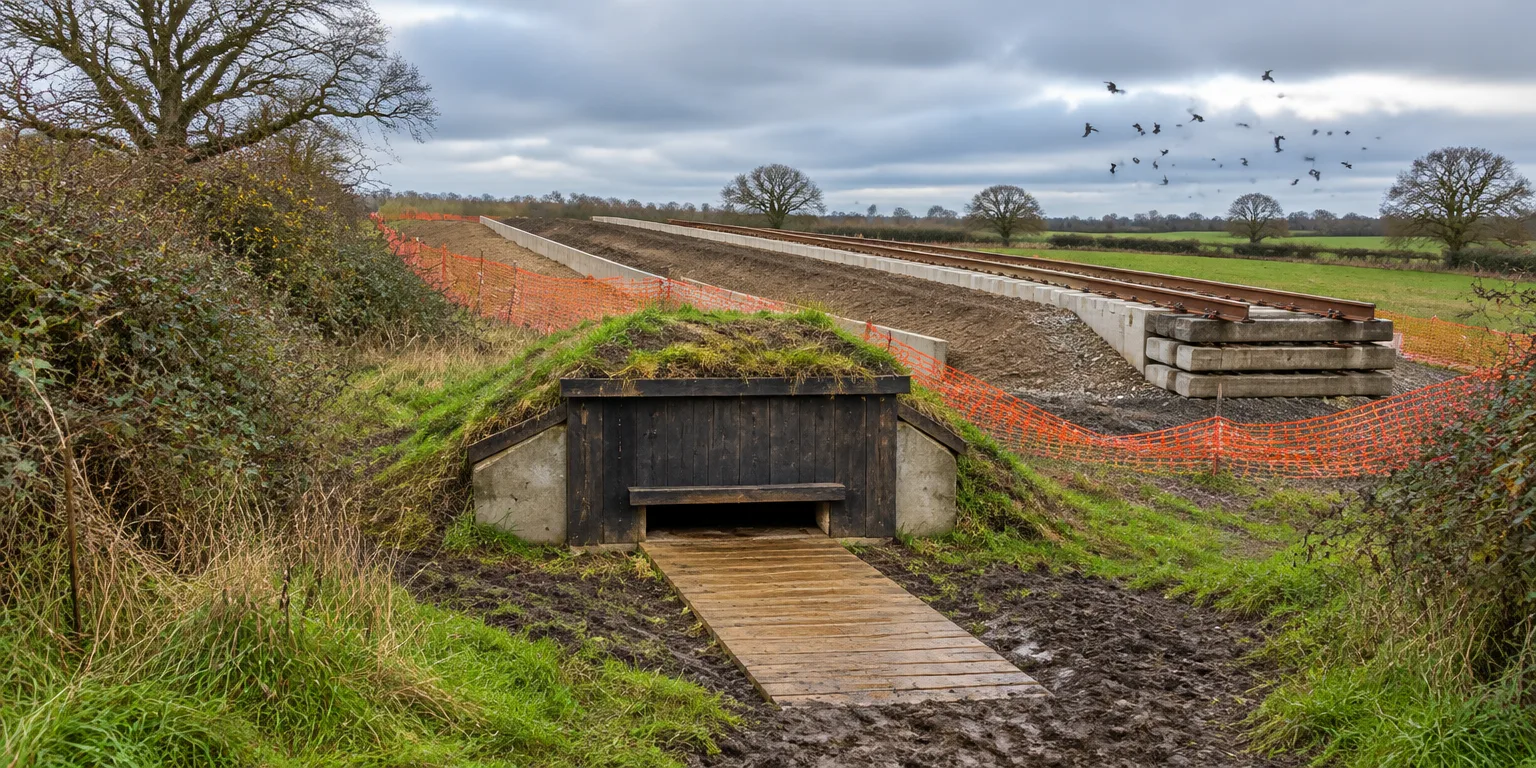
Along the route in Buckinghamshire, builders erected a shelter to shield uncommon bats that required 8,000 permits and cost £216 million. The new Hinkley Point C nuclear plant needed an environmental review that ran 31,401 pages and includes a £700 million system that pulses sound underwater to keep fish away from its water intakes. Officials worked for 32 years and spent £179 million on a plan for a traffic tunnel beneath Stonehenge, then scrapped it.
Housing works the same way. Smith notes that "housing costs per square foot are among the highest in Europe." France has about as many people as Britain but nearly half again as many houses. In London, buyers in 2024 typically paid about 11 times median earnings for a house.
Noah Smith argues that "NIMBYism kills the economy by a thousand small cuts." No single bat shelter or public inquiry sinks an economy, but when every road, rail line, power plant, and block of flats must survive the same gauntlet, little gets built and what does get built costs a fortune. Smith says Britain's rail fight resembles the fights over rail in California.
Questions people ask
Why doesn't Britain just allow building instead of negotiating each project?
American zoning usually maps out in advance what can be built where, so a house or apartment that follows the rules can proceed without a fresh political fight. Britain's discretionary system requires permission for most projects, which means councils and neighbors can challenge almost anything, and each challenge adds time, lawyers, and redesigns.
What is the fish disco at the nuclear plant supposed to do?
Fish are drawn toward the large volumes of water that cool a nuclear plant, where they can be trapped against screens or pulled inside. The underwater sound system creates a wall of noise that startles them away from the intakes, and its high price reflects the engineering, testing, and environmental requirements wrapped around it.
Why does a British rail line cost so much more than rail in other countries?
Land is costly, legal challenges are frequent, environmental and safety reviews are long, and design changes made to satisfy opponents often force rework. Countries that pick a route, protect it from lawsuits, and build the same design repeatedly tend to pay far less per mile.