Building Houses Faster Lets Builders Pay Less and Contractors Earn More
Smith Douglas averages 59 days to build a house, with a goal of 47 days, spreading fixed costs across more jobs.
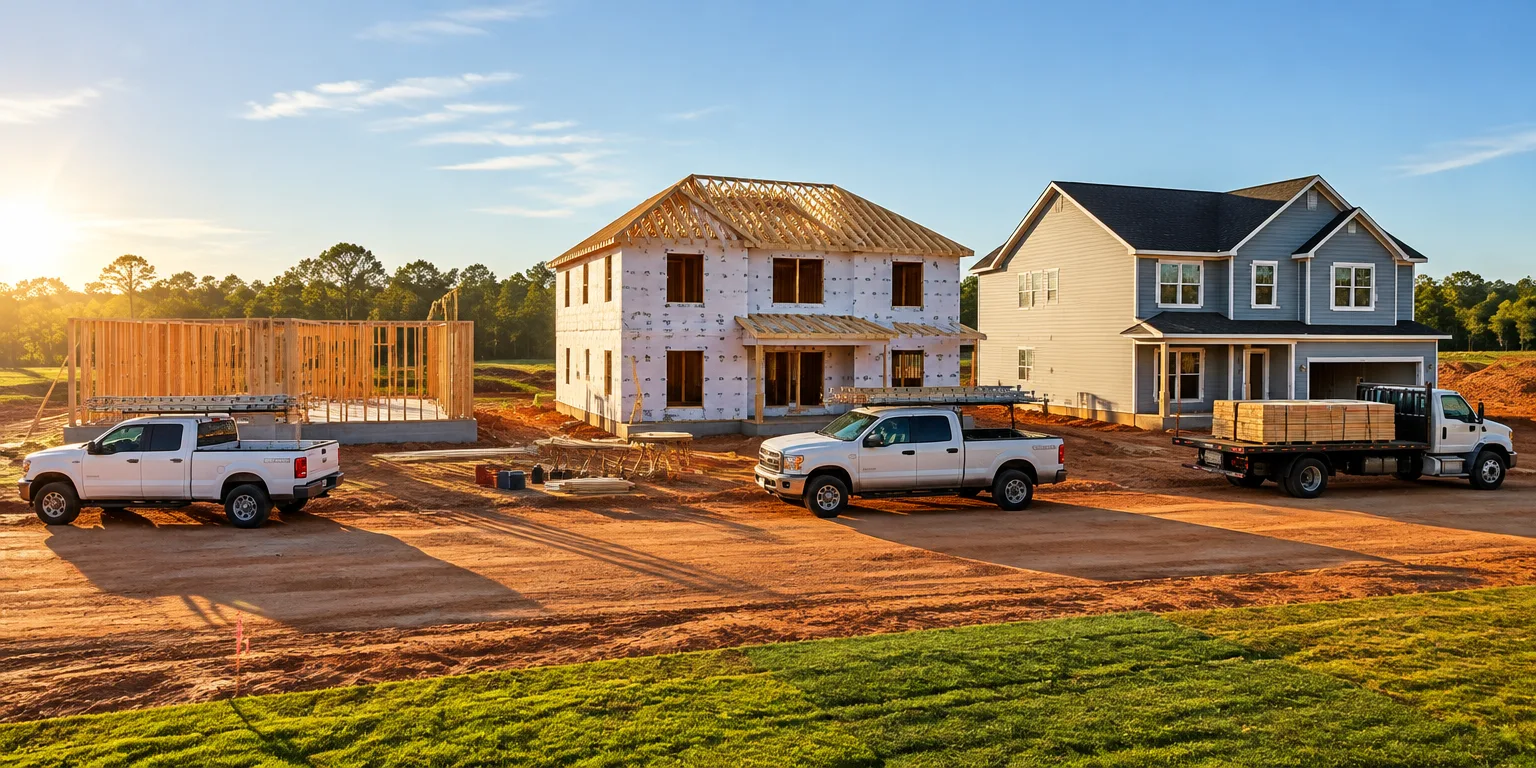
 Forbes · This Billionaire Builder Wants To Make Homes Affordable
Tom Bradberry, the 80-year-old executive chairman of Smith Douglas Homes based in Woodstock, Georgia, says the way to hold down the price of a house is to build it faster.
Smith Douglas completes a house in an average of 59 days across its footprint, with a goal of 47 days. At Colony Homes, the company Bradberry sold in 2003, the cycle time was 46 days, a pace he called unheard of in the industry.
His explanation turns on overhead. Bradberry says, "the contractor's overhead is the same no matter how much volume they do so the more houses that they can do in a given period of time the more profitable they are."
Because contractors can earn more overall from higher volume, Bradberry says, his company can pay less for each job. In his words, "we get good pricing from our trades."
Bradberry presents that combination, lower cost per house for the builder and higher total profit for the contractor, as his way to keep homes within reach for lower- to middle-income buyers at a time when builders are being pressed to find ways to make homes affordable.
Questions people ask
What counts as a contractor's overhead?
It means the business costs a contractor must pay whether or not a particular house is underway. Typical examples include trucks, tools, insurance, and office costs. Spreading those fixed costs across more houses lowers the cost carried by each one.
Who are these contractors?
They are the outside crews that do much of the physical work, such as framing, plumbing, and electrical work. Bradberry calls them trades and trade partners.