Calming Others Was How She Learned to Calm Herself
The actress says caretaking looked like kindness, but it started as survival.
 Armchair Expert with Dax Shepard · Rhea Seehorn
Actress Rhea Seehorn was talking about acting, and how every line needs a reason behind it, because that is how people operate in real life.
"I'm constantly evaluating how could I make the other person in the room more comfortable," she said. "Which would make you more comfortable."
It was not, in her telling, simple kindness. She said she learned the pattern in Al-Anon, the support program for families and friends of people with drinking problems, where she recognized her own caretaking as self protection.
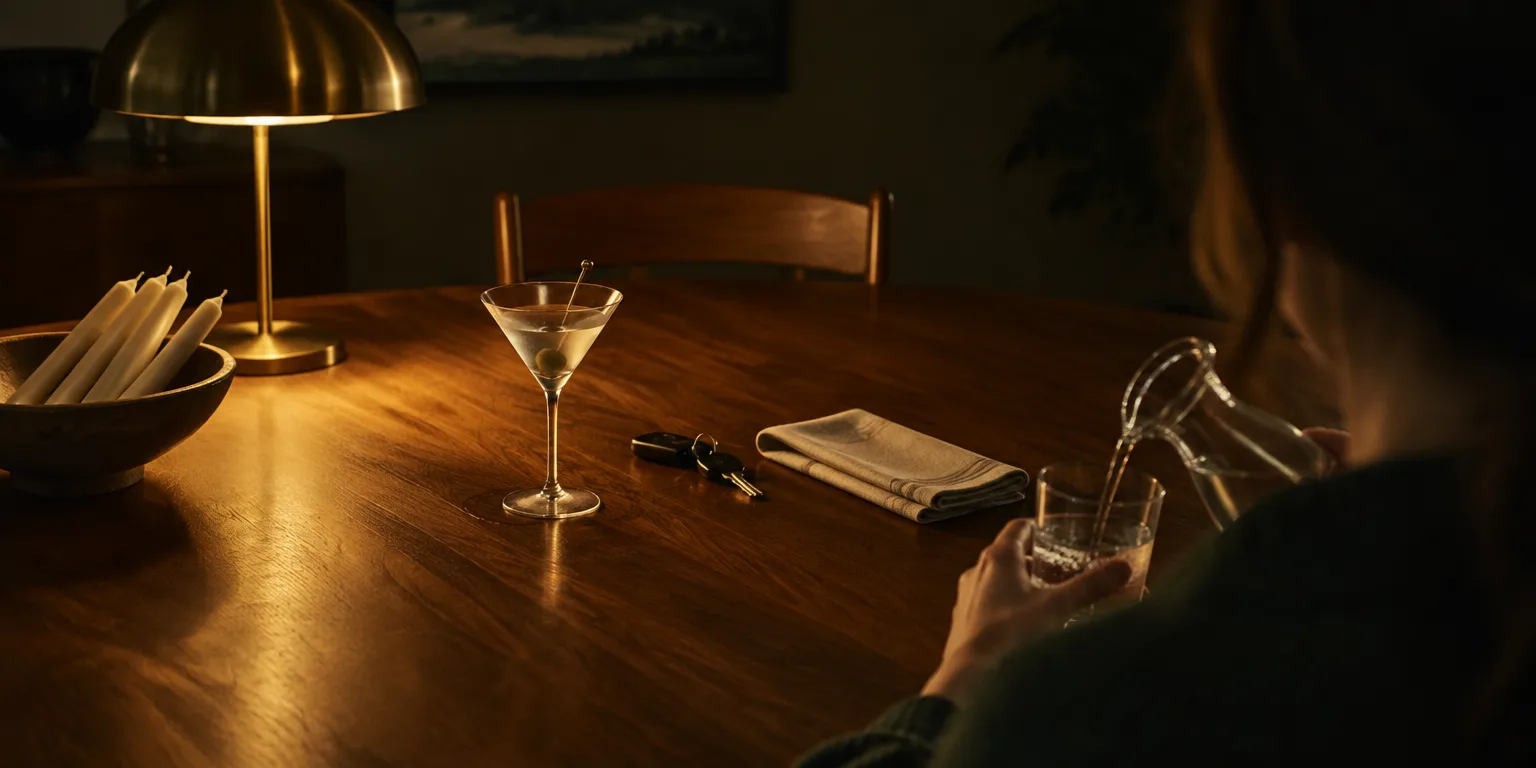
Her father drank in what she called a Mad Men style, with martinis at lunch and more drinks at home. Toward the last five years of his life, she said, he was extremely irritable over small things, and the house felt like a place where something might blow up at any moment.
Her response, she said, was to manage the mood around her. She checks that a quiet person is included, that everyone is okay, believing that if other people are settled, she can feel settled too.
That vigilance has a history. She said she lived with panic attacks, depression, and severe social anxiety, and she did not drink from age 19 to 32 because she wanted to develop other tools for handling emotions.
She still calls the habit ego, not virtue. The comfort she offers other people, she argues, is also the comfort she is trying to give herself.
Questions people ask
What is Al-Anon?
Al-Anon is a free, peer support program for family and friends of people with alcohol problems. Members share experiences and follow a 12-step framework adapted from Alcoholics Anonymous, focused on setting boundaries and not trying to control another person's drinking.
What happened to her father?
Seehorn said her father spent 33 years as an FBI agent and died at 52, when she was in college. She has said she believes he may have been covering painful emotions, possibly connected to his service in Vietnam, with alcohol.
Why did she stop drinking for more than a decade?
She said she already had panic attacks, depression, and extreme social anxiety, and wanted to build other ways to cope. She later sought therapy after a fellow understudy gently suggested it, and has said she wishes she had gotten professional help sooner.