Calorie Counting Fails Because a Calorie Is Not a Calorie
Labels can be off by a third, whole nuts release fewer calories than ground ones, and the same muffin leaves some people hungrier than others.
 The Diary Of A CEO with Steven Bartlett · Doctor Tim Spector: The Shocking New Truth About Weight Loss, Calories & Diets | E209
The number on the packet suggests precision. In practice, it can be wrong by almost a third.
That is why Tim Spector, who studies nutrition and the microbes that live in the gut, calls calorie counting complete nonsense. He says "there's never been any long-term study showing that calorie counting is an effective way to lose weight and maintain weight loss" after the first few weeks.
The first problem is measurement, Spector says. Calorie counts on packets and restaurant menus are accurate to only "plus or minus about 30 percent," largely because portion size varies so much. Spector says work in the United States has shown the exercise to be worthless. Nor can you accurately count what goes out. A guideline of 2,500 calories a day is an average, and Spector says his own tested average is much lower. Everyone burns energy at a different rate.
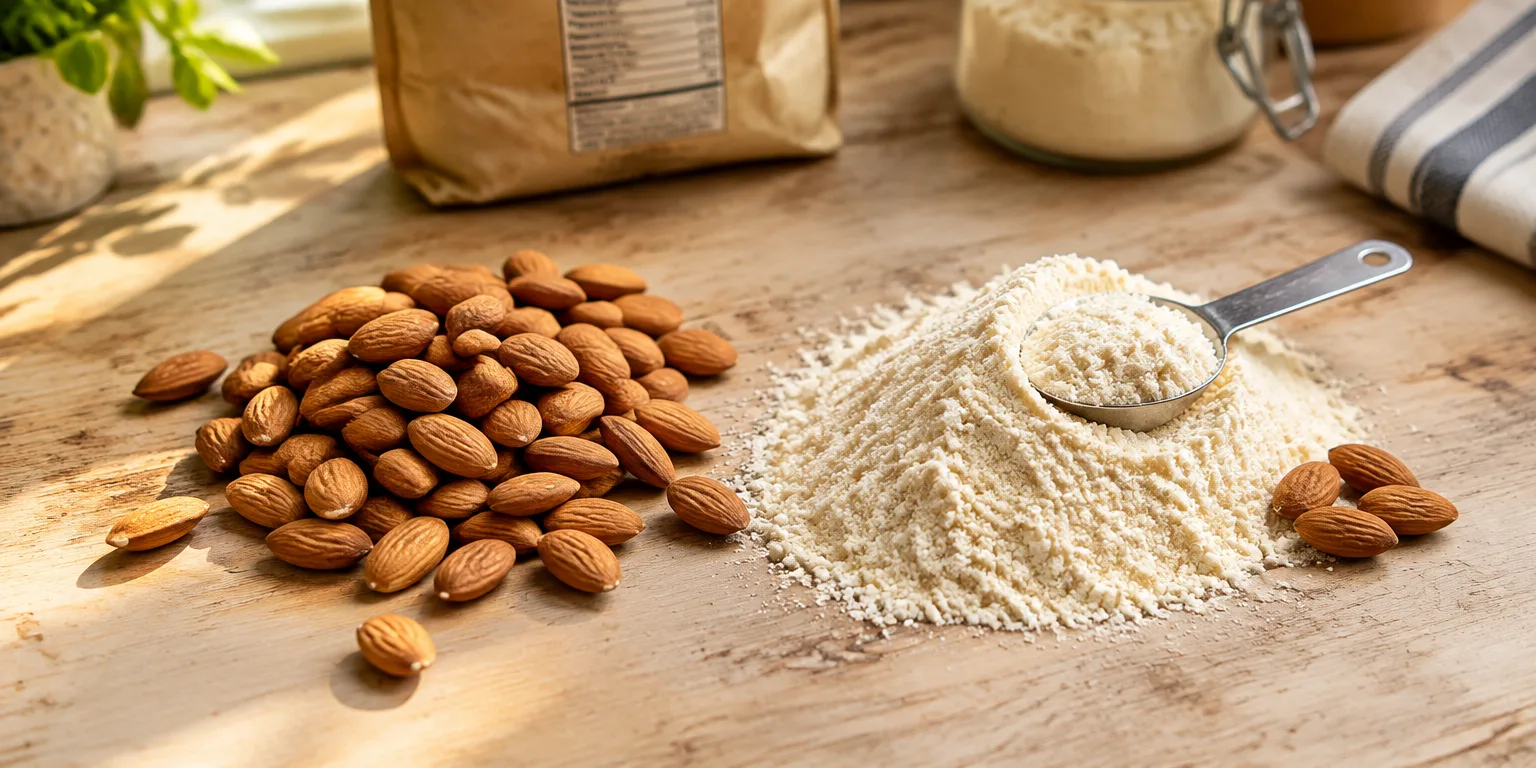
The second problem is that the form of the food changes what you actually absorb. Whole almonds may provide up to about 30 percent fewer available calories than ground almonds with the same listed calories. In general, the body does not fully break down the intact nut, so grinding and refining do part of digestion for you.
The third problem is that the same food produces different blood sugar responses in different people. In a study of 50,000 people who ate identical muffins while wearing glucose monitors, one in four experienced a sugar dip below their starting level about three hours later. Those people felt more tired and hungry, and ate about 10 percent more over the rest of the day.
Then dieting itself fights back, Spector says. Strict restriction can cut weight for a few weeks, but the body responds as if energy is scarce. Metabolism slows, hunger rises week by week, and "more than 95 percent of people" rebound to their starting weight or higher.
The failure is not weak willpower. It is a system that treats all calories as equal when neither the label, the food, nor the body works that way.
Questions people ask
Is there any accurate way to know how many calories I am eating and burning?
No. Researchers can estimate averages in a laboratory by burning food and measuring heat, or by tracking energy use in metabolic chambers, but everyday tools cannot match that. Packet values come from formulas and average portions, and your daily burn shifts with sleep, muscle, age, and gut microbes.
Why would whole almonds have fewer available calories than ground almonds?
Partly. Chewing and stomach acid start the job, but intact cell walls in whole nuts and seeds shield some fat and starch from digestive enzymes. Grinding breaks those walls in advance, so more energy is freed and absorbed in the small intestine.
What causes that blood sugar dip that makes some people overeat?
After a high carbohydrate meal, blood sugar rises and insulin brings it back down. In some people the correction overshoots, dipping below baseline, which can trigger hunger, fatigue, and cravings. Genes, gut microbes, sleep, and what you ate earlier all affect whether you dip.