Casinos can launder money by moving a gambling balance across countries
Casinos are popular venues for layering, where a gambling balance can be shifted between countries.
 TED-Ed · How does money laundering work? - Delena D. Spann
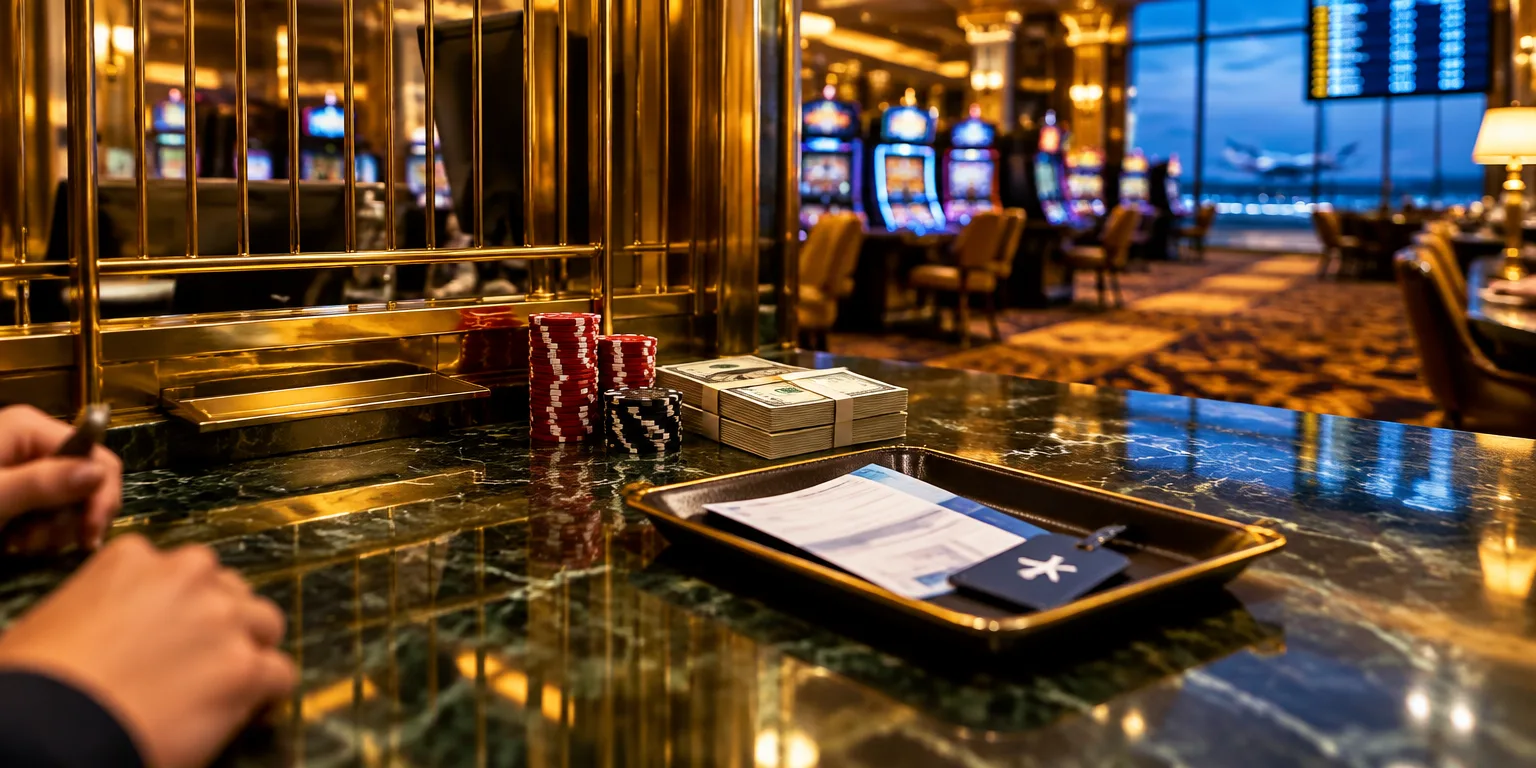
A money launderer can wash dirty cash through a casino by having a gambling balance made accessible at the same chain's outlets abroad, or by fixing games with help from staff.
The methods are part of money laundering, which generally has three basic steps. The first is placement, when unlawfully gotten cash is turned into holdings that appear lawful. The second is layering, which uses many moves to push the cash further from where it came from.
Casinos are popular venues for layering, where big sums move every second. Along with transfers between accounts and purchases of resalable goods such as pricey vehicles, art, and property, a launderer may shift a gambling balance abroad or team up with staff to fix outcomes.
Once distanced in this way, the funds are ready for the last step, integration, which lets washed funds flow back into regular business.
Questions people ask
What does the final integration step look like?
Integration lets the original criminal gain from the funds once they return to ordinary commerce. Launderers might put the money into a lawful firm using phony billing records, or create a sham nonprofit and pay themselves generously as board members.
Why are criminals most vulnerable during placement?
Placement carries the highest risk of getting caught. That is because launderers suddenly bring great wealth into the financial system from no clear source, often by putting funds into accounts tied to cover firms or go-betweens.