Cat Food Is a Growth Bet Tested Daily by 377 Dogs and Cats in France
At a Royal Canin center, staff weigh trays and grade stool quality to learn what pets prefer.
 Marketplace · When it comes to the job market, love the one you're with
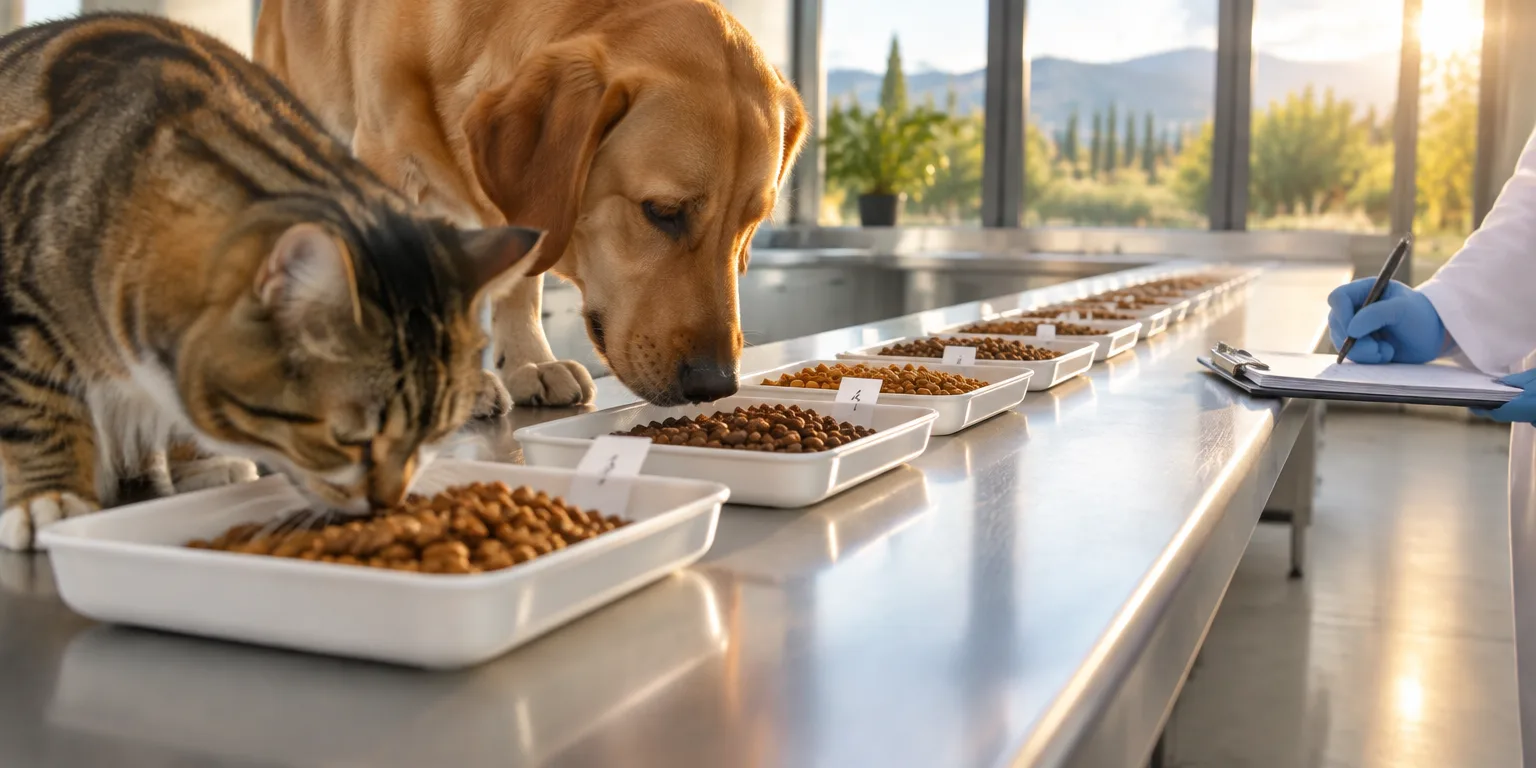
Each afternoon at 4, workers at a research center in southern France set out trays of pet food for 377 dogs and cats. Then they track how quickly each animal eats and how much is gone.
New York Times reporter Jenny Gross first heard about the business behind that ritual during an investor conference. She said she was at her desk when the chief executive of Nestle talked about big structural growth in cat food, a phrase that made her laugh.
She wanted to know where companies test such a promise, so she asked Nestle and Mars, which owns Royal Canin. That led her to Royal Canin's large dog and cat center in southern France, where taste tests happen each afternoon.
The question the center tries to answer matters because pet-food sales are so large. Americans are projected to put nearly $70 billion toward pet foods and treats this year, according to the American Pet Products Association.
That outpaces what owners will pay for veterinary visits and related care. Companies want to know what pets prefer.
The main test is a direct comparison. The trays, not bowls, hold different Royal Canin recipes, or Royal Canin food beside a competitor's food, and staff weigh what gets eaten to monitor how much the animals like each option.
Dogs and cats make very different critics. Dogs eat quickly, so their tests are finished within about 15 minutes. Cats eat differently, so their tests can take hours.
Staff also study what comes out the other end. They rate stool quality on a scale from one to ten, with diarrhea at the bottom, as another measure of how a food performs.
The center also does work on food meant for older cats and dogs. Then the next afternoon at 4 p.m., another set of trays goes down, and the bet on cat food gets tested again.
Questions people ask
Why do cats take hours to eat while dogs finish in minutes?
Cats are natural grazers that eat small meals over many hours, and they are sensitive to smell, texture, and temperature. Dogs descend from social hunters that often ate quickly before others could take their share. So a slow cat is not necessarily rejecting food, while a slow dog often is.
What does stool quality actually tell pet-food makers?
Vets look at firmness, shape, moisture, and consistency, because those signs reflect how well an animal digests a food. Very loose stool can mean poor digestion or too much fat or fiber. A firm, well-formed stool generally means the nutrients were absorbed cleanly.
Why are big food companies betting on premium cat food?
More households have cats, vet bills have risen, and many owners now treat pets as family members worth premium food. Companies also see room to sell age-specific recipes and supplements as pandemic-adopted pets grow older. Cat food, which was long overshadowed by dog food, looks like the faster-growing aisle.