Catastrophes happen when risky shortcuts start to feel normal
Diane Vaughan argued the Challenger disaster came from slow drift that made risk seem routine, not a single bad decision.
 Curiosity Chronicle · How to Avoid Catastrophe: The Normalization of Deviance
In a 1996 book about the Challenger disaster, Diane Vaughan, a sociologist, gave the pattern a name: the normalization of deviance.
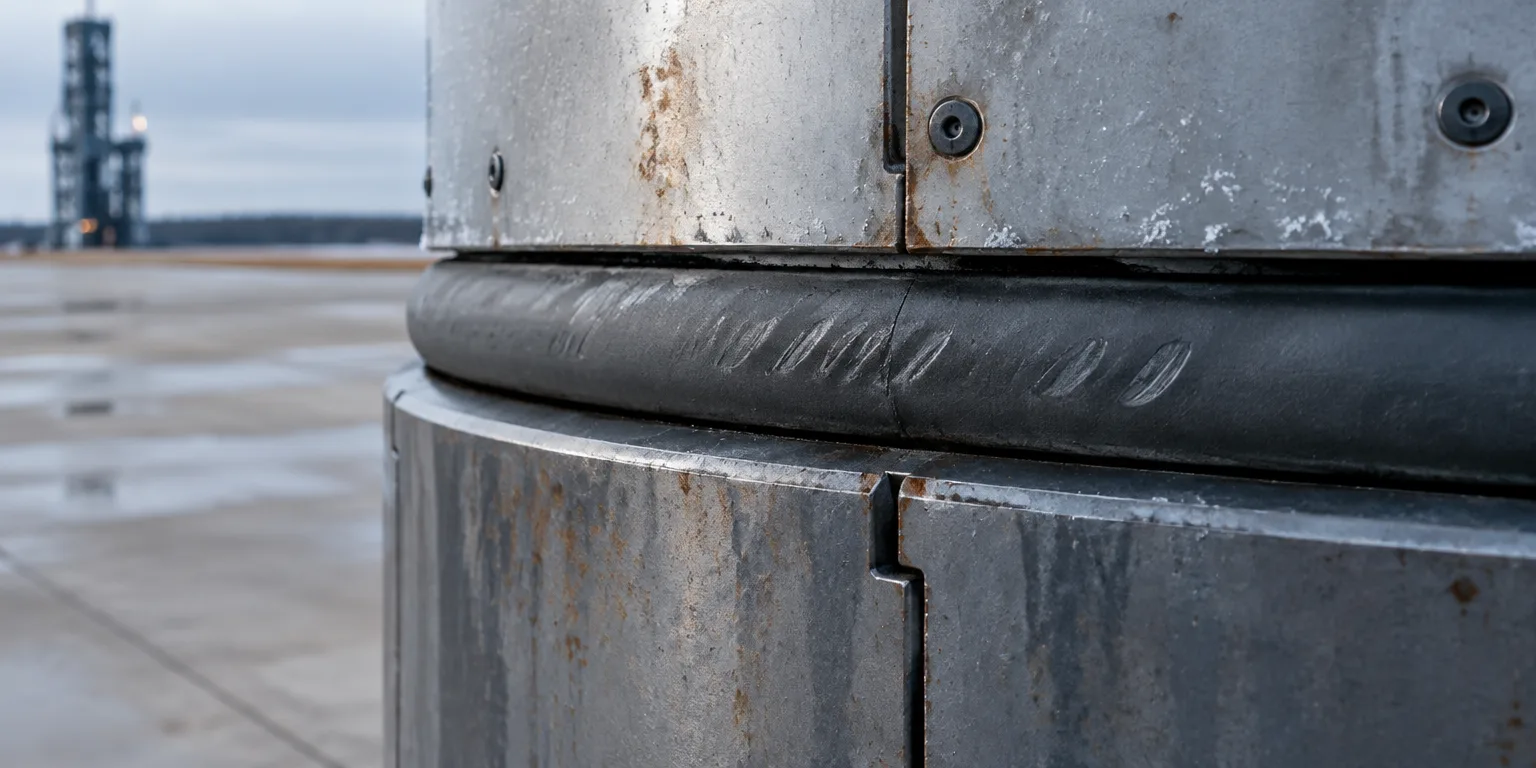
Challenger lifted off in record cold, 36 degrees, and broke apart a little more than a minute into flight, killing all seven people aboard after rubber seals called O-rings failed.
Vaughan used her term to describe how unsafe practices can come to seem acceptable when they are repeated without immediate trouble. Success can teach the wrong lesson, and caution can start to look like overreaction.
Vaughan argued that Challenger was not simply the result of the January 27 teleconference decision the night before launch, or of one person's carelessness in the moment. It reflected a gradual and widespread drift, in small steps, in which danger that once would have halted a launch came to look routine. Each time the risk was taken without disaster, the exception moved closer to the rule.
The same logic fits ordinary life. A commuter who regularly drives a few miles over the speed limit on the same stretch of road and arrives safely each time can start to treat the extra speed as normal, not risky. A household that lets a credit card balance roll over one month, and then another, can start to treat carrying the debt as normal budgeting.
The delay is what makes such drift easy to ignore. When nothing goes wrong right away, a small compromise is easy to excuse, and the standard quietly slips a little lower. What once would have prompted action starts to seem unremarkable.
After enough quiet slips, the result can look far from what was intended, and the change is hard to trace.
Questions people ask
What was the Challenger disaster?
On January 28, 1986, the Space Shuttle Challenger broke apart 73 seconds after liftoff, killing all seven crew members. The immediate cause was the failure of rubber seals, called O-rings, in the solid rocket boosters, which let hot gas escape. Vaughan studied the decisions that led NASA and its contractors to accept that known risk.
How does normalization of deviance work in practice?
It means that when a rule is bent and nothing bad happens, people quietly update what counts as normal. The next bend starts from that lower standard, so deviance grows in steps that each feel small. Over time, behavior that once would have been stopped looks unremarkable.
Is this idea used outside Challenger?
Yes. Researchers have used it to describe safety lapses in medicine, aviation, oil drilling, and finance. The common thread is repeated success under risky conditions, which teaches a team that the shortcut is safe. High reliability organizations try to counter it with checklists, dissent, and outside review.