Cattle ranchers are doing well while many crop farmers are losing money
The national cattle herd is the smallest since the 1950s, supporting ranchers in states like Oklahoma while crop growers face low prices, costly fertilizer and fuel, and lost export buyers.
 Marketplace · Surprise, you've got medical bills!
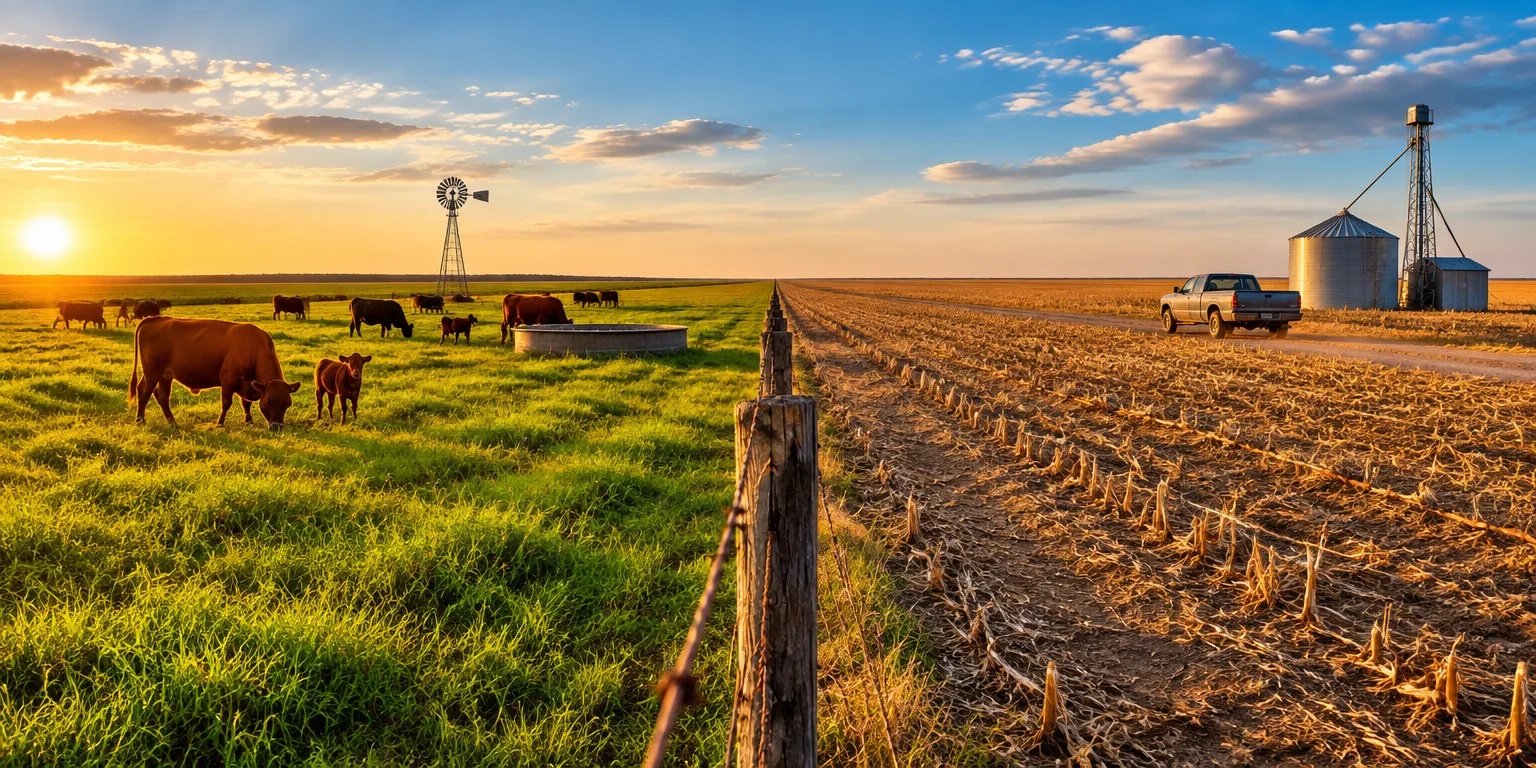
American farming has split in two. The Federal Reserve Bank of Kansas City calls it “A Tale of Two Farm Economies,” and its district is a good place to see it. The district covers Colorado, Kansas, Nebraska, Oklahoma, Wyoming, and parts of Missouri and New Mexico, states where local economies depend on ranching or planting or a mix of the two.
The split starts with cattle. Cattle now fetch record prices, since the country has fewer cattle than at any point since the 1950s. Those high cattle prices mean high beef prices at the store as well.
That is why Oklahoma is doing all right. Oklahoma still has a lot of cattle. The state ranks second behind Texas in beef cows, the female cattle kept to produce calves for beef. Derrell Peel, who works at Oklahoma State University, follows this cattle market.
For crop farmers, the math looks different. In most of the country, whatever farmers plant, earnings are poor. Prices for crops stay weak and fertilizer prices are high. Diesel costs add to the strain for farmers.
Demand has also weakened. Nick Lewandowski, who works with the Kansas Farmers Union, says crop demand is lagging. Growers have lost significant soybean markets in the trade war and lost much of the market for grain sorghum, a grain used largely for animal feed and exports, after cuts to USAID.
Then there is how little of the grocery bill reaches the farm. Courtney Cowley, who works at the Kansas City Fed, says only about 15 cents of every dollar spent on food comes from the farm gate, meaning the farm itself. Reporting on that breakdown, Caitlin Tan notes that fuel now accounts for a larger portion of the food dollar.
So one side sells cattle from a small herd at record prices, while the other side faces low prices, high costs, and missing buyers. That is the K shape: up for ranchers, down for crop farmers.
Questions people ask
If cattle prices are so high, why don't ranchers just raise more cattle?
Ranchers cannot make more cattle quickly. A cow usually has only one calf per year after a nine-month pregnancy, and then that calf must grow for more than a year before it can be sold for beef. So rebuilding a shrunken herd takes several years, which keeps supplies tight and prices high in the meantime.
What does it mean that only 15 cents of the food dollar comes from the farm?
Most of the retail price pays for everything after the farm, including processing, packaging, trucking, refrigeration, store labor, and rent. The farm-gate share is what is left for the farmer after those middlemen take their cut. When fuel, labor, and processing costs rise, the farm share can shrink even if grocery prices look high.
How did the trade war and USAID cuts hurt soybean and sorghum farmers?
Soybeans are a major U.S. export, especially to China, so tariffs and trade disputes can quickly close off buyers and push down prices. Grain sorghum is another export-dependent crop, and aid programs bought and shipped large amounts of it abroad. When those trade and aid channels shrink, farmers must sell into a smaller market.