Cheap AI still needs just as many computers
An AI answer uses the same chips, memory, and power whether it is expensive or cheap, so lower prices tend to produce more answers.
 Invest Like the Best with Patrick O'Shaughnessy · Why the Markets Are Pricing AI Wrong | Gavin Baker
Investor Gavin Baker, who argues that Wall Street is misreading the demand for artificial intelligence, says the market got one recent shift exactly backward. When freely available models from China like Kimi and GLM 5.2 started taking business from expensive frontier models, large, paid AI systems from companies like Anthropic or OpenAI whose inner workings the companies keep secret and charge to use, investors read it as bad news for the computer hardware underneath AI. Baker says it is good news.
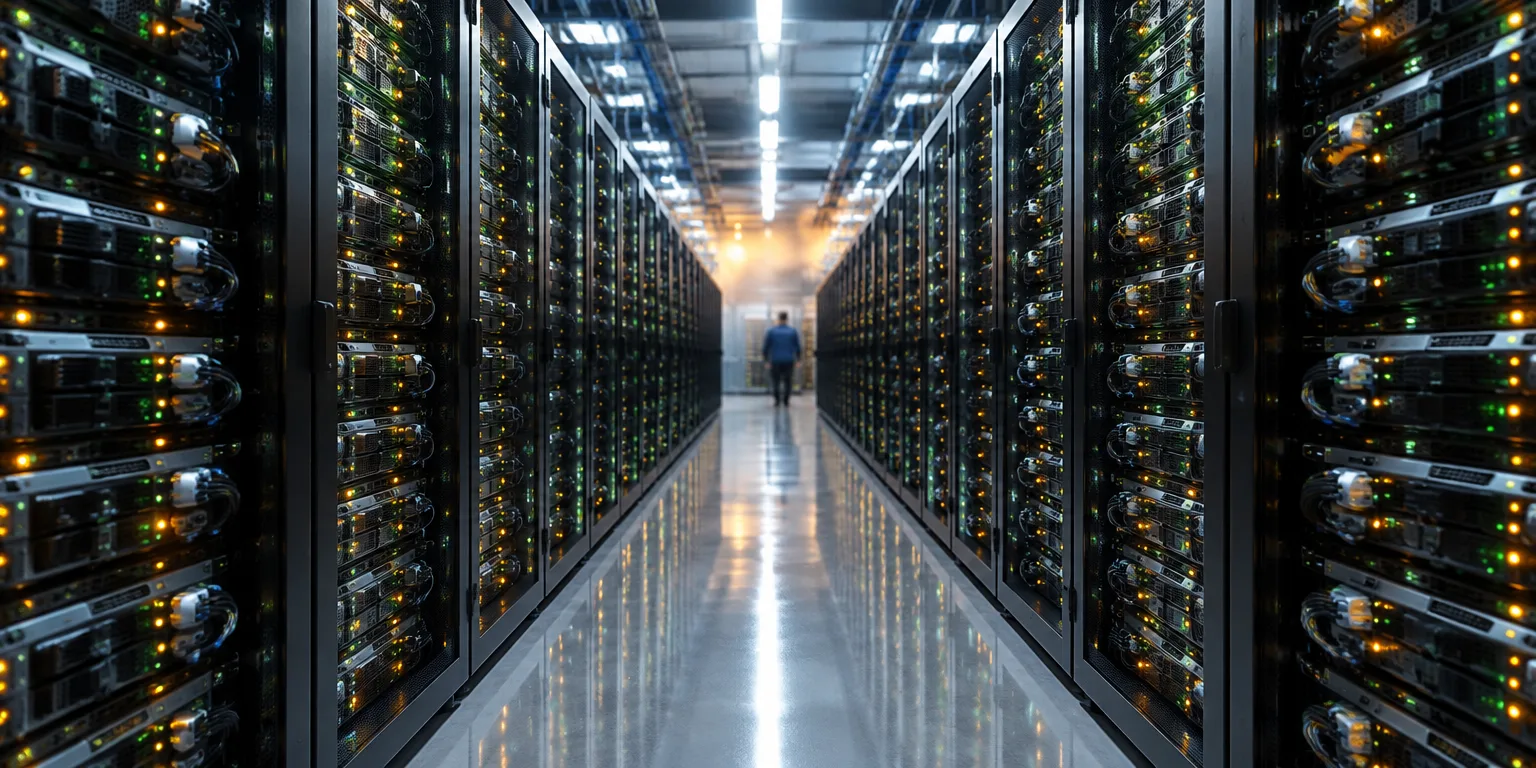
The reason starts with what an AI answer is made of. In the industry, a token is a small chunk of text the model reads or writes, and making one takes computing work, memory, and electricity. A token is a token, in Baker's phrase. It demands just as much processing power, memory, and electricity whether the customer paid a high price for a frontier model or a low price for an open-source one.
What changes is who keeps the profit. Baker says the exact margins can be debated, but he estimates the margin on frontier tokens at roughly 80 to 95 percent, compared with about 30 percent gross margin for open-source tokens running on the same cloud computers. So when work moves to open source, dollars move out of the model maker and into the infrastructure layer that rents out chips, power, and memory.
Companies are speeding that shift with a device called a router, which is software that acts like a traffic cop. A business customizes an open-source model with its own data, sends questions to that cheaper model first, and then has a frontier model like Claude or Grok check the result. Baker says that can produce slightly better results at about half the cost.
That half price sounds like less computing, but it is mostly less markup. And because the answers are cheaper, companies generate more of them. Baker says a company that blew through its AI budget may cut its spending with a router while the hours logged on graphics processors, the chips that do AI math, actually go up. In his argument, cheaper answers mean more answers, and that means more demand for computers.
Questions people ask
What is the difference between a frontier model and an open-source model?
A frontier model is a large, proprietary AI system owned by a company like Anthropic, OpenAI, or xAI, and accessed for a fee. An open-source model publishes its inner workings so anyone can download, modify, and run it, often much more cheaply.
Does the router use a lot of computing power itself?
The router itself needs very little computing. The heavy work is still generating the tokens that answer the question, and that work happens on graphics processors in a data center whether the token came from a cheap model or an expensive one.
Is this like what happened with other computing costs?
Yes, in a similar way. When cloud storage and bandwidth got cheaper, people stored more photos and streamed more video. Baker argues cheaper tokens work the same way: lower cost per answer encourages companies to ask AI to do more tasks.