Cheap Drones Go First to Wear Down Saudi Defenses, Then the Missiles Come
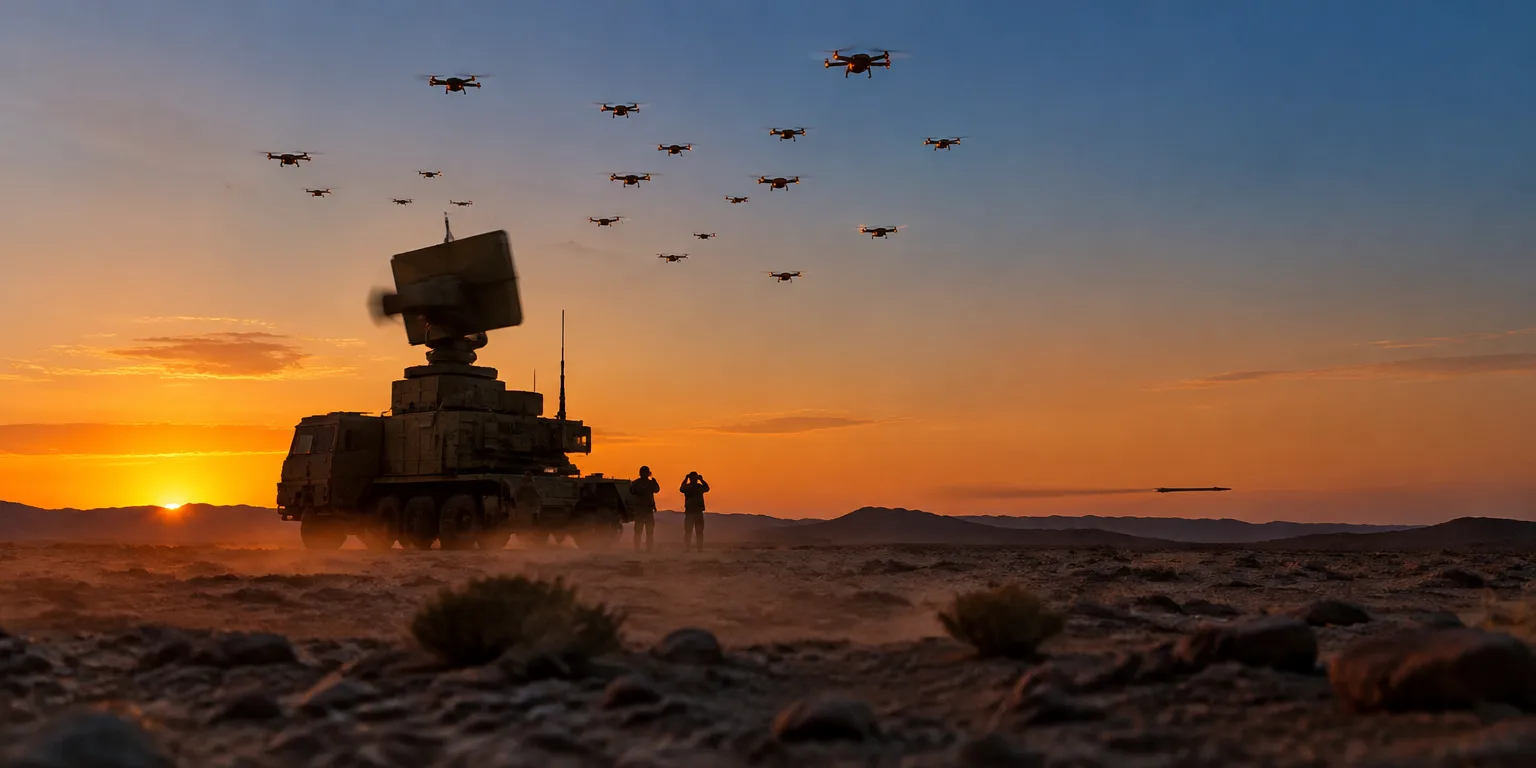
The trick is the sequence: small drones force defenses to reveal themselves, then heavier missiles slip through, especially ones that hug the ground.
 Up First from NPR · Zelenskyy Mending Ties, Trump In North Carolina, Saudi Arabia Gets British Support
Saudi Arabia puts tens of billions of dollars a year into defense, yet attacks from Yemen have repeatedly gotten through. Elizabeth Dent, a senior fellow at the Washington Institute for Near East Policy, says she does not necessarily see it as a gap in the weapons themselves. The tactics, she says, have changed drastically.
As Dent describes it, the Houthis in Yemen start with swarms of small drones aimed at the first line of air defenses. Defenders have to answer each incoming drone, which can wear down that initial layer before larger weapons arrive.
Ballistic missiles, which fly high and fall fast, and cruise missiles, which fly level like small airplanes, then come in behind the drones. According to Dent, "cruise missiles are particularly hard to track because they often fly under radar."
The Houthis released a video this week that they said shows camera-equipped attack drones hitting Saudi forces near the border. Saudi officials have not commented on the video or on the Houthi claim about what it shows.
Questions people ask
Why does flying low make a missile harder to see?
Most air defense radars scan the sky above the horizon, and the Earth curves away beneath them. A missile flying very low stays hidden behind hills, buildings, and that curve until the last minute, leaving defenders little time to react.
What is the difference between a ballistic missile and a cruise missile?
A ballistic missile flies high in an arc and comes down very fast, while a cruise missile flies level like a small airplane, often low. Defenses built to hit one kind at high altitude can struggle with the other kind sneaking in low.
Why use cheap drones if missiles do more damage?
In general, interceptors often cost far more than the drones they shoot down, and launchers carry only a limited number. A swarm can force crews to use up expensive shots and need to reload before the larger missiles arrive.