Check Your Health by Stairs, Walks, and Everyday Aches
The body rarely coasts, so everyday effort decides whether it gets stronger or weaker.
 Levelheaded Talk · 10-19-2026 How is Your Body?
Andrea Vitz, who leads the Lifted Academy community, opens her physical check-in with a plain question: how is your body doing at ordinary life?
She asks people to check sleepiness, endurance, mobility, and pain.
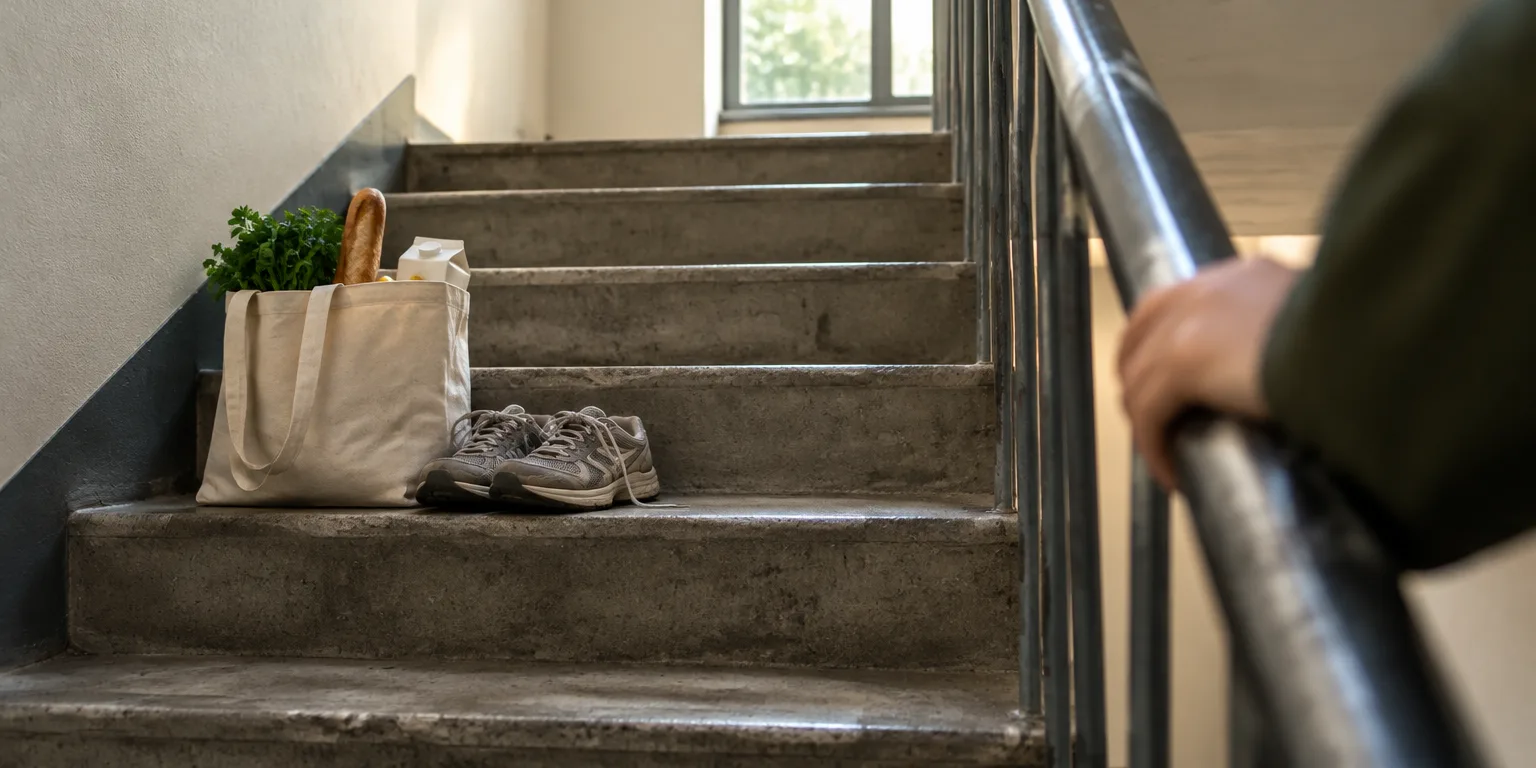
First, notice energy and staying power. As Vitz puts it, “Are you a little bit sleepier than you think you should be?” And how do you feel walking up steps or keeping up on a walk with friends?
Next, test mobility in real terms. Do you move through space comfortably, and as Vitz asks, “If you drop something on the ground, do you not want to pick it up?”
Then take an honest pain inventory. She names low back, shoulder, neck, knee, foot, and ankle pain, plus frequent headaches.
Vitz puts the larger point bluntly: “you’re either getting stronger or you’re getting weaker.” She adds, “There’s not a whole lot of maintenance that goes on in the human body without intention.”
She calls the body a servant, not a slave. It has carried you from place to place for years and runs breathing, circulation, and other automatic jobs without being asked, but it is built to respond to what you do ask of it.
For readers trying this at home, one option is to pick a single everyday function to notice, whether stairs, a walk with friends, or bending down with ease.
Questions people ask
How often should I do this kind of body check-in?
Once a month is enough for most healthy adults to notice trends, and once a week helps if you are starting a new walking or strength habit. Write down the same three checks each time, such as stairs, walk distance, and any pain, so you can compare. See a clinician sooner if something suddenly worsens.
When is pain a sign to see a doctor rather than just move more?
A new, severe, or lasting pain, chest pain, trouble breathing, fainting, or pain after an injury deserves prompt medical care. For nagging aches tied to stiffness or inactivity, clinicians often suggest gentle movement, posture breaks, and gradual strengthening. Stop and get advice if pain spreads, intensifies, or includes numbness or weakness.
Do I need a gym to start getting stronger?
No. Strength can come from body weight moves, resistance bands, stairs, carrying groceries, and brisk walking hills. The key is progressive challenge, meaning slightly more reps, weight, or distance over time, plus enough protein and rest. A trainer, physical therapist, or clinician can help tailor a safe starting point.