China could claim Taiwan with a customs form instead of an invasion
A customs stamp would let Beijing claim sovereignty without war, but it fears an American counter-blockade and a newly rearmed Japan.
 Invest Like the Best with Patrick O'Shaughnessy · Walter Russell Mead - How America Keeps Winning - [Invest Like the Best, EP.490]
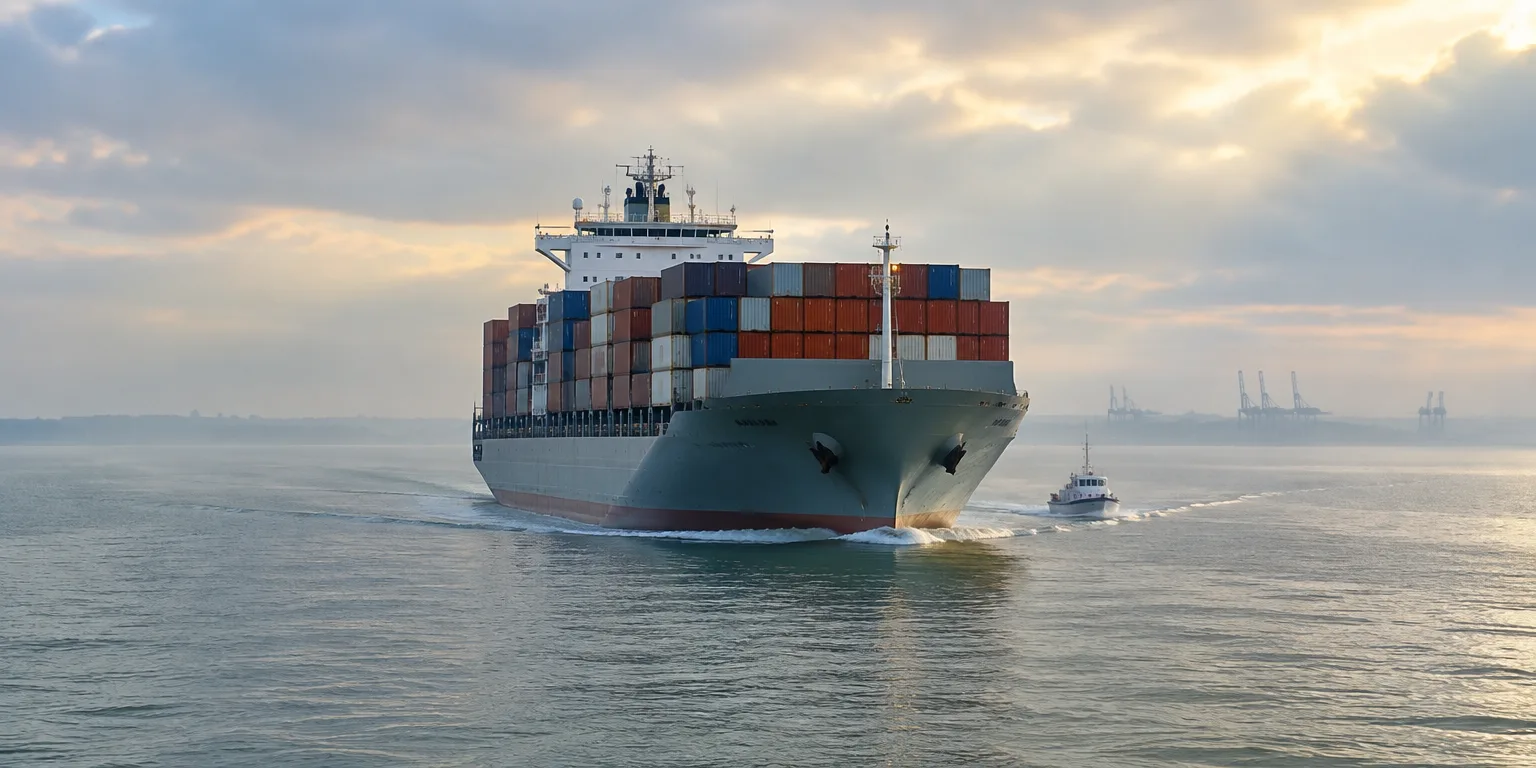
China may never need to invade Taiwan to claim it. It could simply tell every ship headed there to clear Chinese customs first.
That is the soft blockade described by Walter Russell Mead, the author of "God and Gold" and "Special Providence" on American power. Under such an order, a freighter bound for the island would first have to dock in mainland China for inspection and approval. The stamp asserts that Taiwan is Chinese territory, and ships that refuse would find it difficult to proceed.
Mead argues an invasion is unlikely because Beijing would need to be almost certain of winning. Failure, for whoever ordered it, would be catastrophic. A customs rule is more useful because it flies just under the radar. It does not force Washington to respond with force, but it alters the situation in Beijing's favor.
The catch is what keeps Chinese leader Xi Jinping awake, Mead says. Chinese scholars and officials are aware that their economy depends on trade by sea, and that dependence could become a trap. If Beijing tried to seal off Taiwan, the United States could impose a counter-blockade a hundred miles farther out. No oil comes in, no manufactured goods go out, and soybean deals with South American growers go undelivered.
Much of Chinese energy policy is an effort to escape that trap. Beijing is pursuing solar power and as much hydro power as it can get, while extracting every ton of coal it possibly can and amassing oil stockpiles that surprised observers during the recent war with Iran. The goal is to be able to fight for the long term without the outside world.
The big new factor, Mead says, is Japan. Tokyo views Beijing taking Taiwan as endangering Japan's own freedom to act. It is raising defense spending, rethinking military doctrine, and reshaping its culture around the new threat, and Mead notes Japan has often shifted course successfully when it feels truly threatened. Mead says he does not see how this works out, but he raises the question to watch: how fast does Japan come up the learning curve, and how that shapes Beijing's thinking on Taiwan?
Questions people ask
Why would a customs stop matter so much?
Mead's argument is that the paperwork itself is the claim to sovereignty. If carriers comply with a Chinese inspection for Taiwan-bound goods, Beijing can say the trade accepts its authority. That would not settle the legal status on its own, but it would shift expectations in Beijing's favor.
Could America really blockade China in return?
Yes, because China remains heavily dependent on seaborne imports and exports. It imports most of its oil and soybeans and earns much of its wealth selling manufactured goods abroad. U.S. naval power in the Pacific and Indian oceans could interdict those flows far from Taiwan, strangling the Chinese economy.
Why does Japan care so much about Taiwan?
Almost all of Japan's oil and much of its trade pass through sea lanes near Taiwan. If China controlled the island, it could threaten those lifelines and pressure Tokyo in any crisis. That is why Japan treats Taiwan's autonomy as essential to its own independence.