China Has Roughly Three Single Men for Every Two Single Women
Decades after favoring sons, China faces about 34 million men with little prospect of marriage.
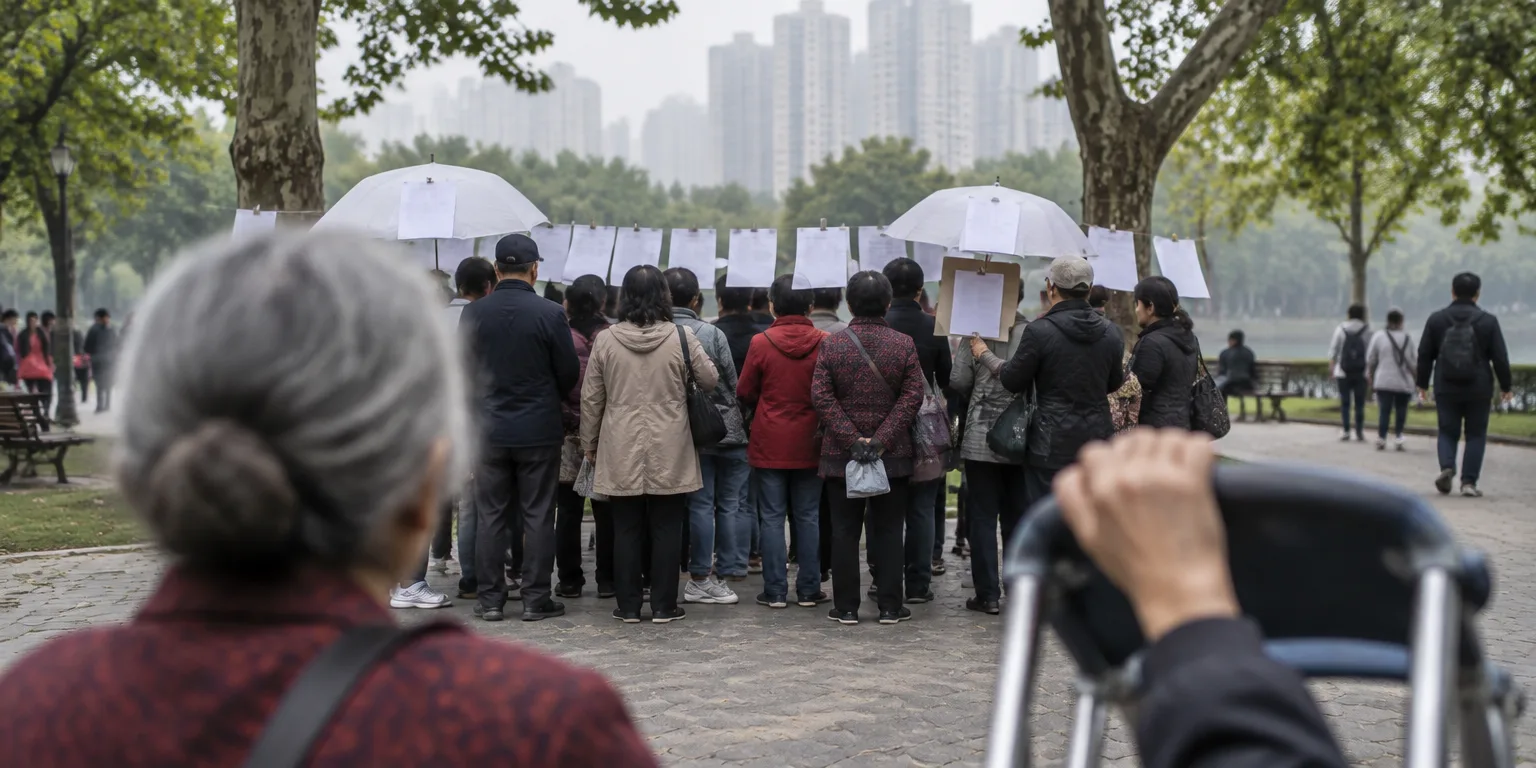
 PolyMatter · Demographic Collapse — China's Reckoning (Part 1)
Between 2020 and 2060, China will have roughly three single men for every two single women.
The gap traces to a longstanding preference for male babies. After more than three decades under a one-child limit, and a shift in 2015 to allow most families two children, those earlier births are now reaching marriage age.
That leaves about 34 million men with little hope of marriage.
Falling births and longer lives make it worse. China counted 14.65 million births in 2019, the lowest level since 1961, while longer lives mean older people will need economic support for more years than in the past.
Questions people ask
Why did Chinese families prefer sons?
The preference has deep roots in patrilineal tradition, where sons carried on the family name, inherited property, and were expected to support aging parents. Daughters traditionally married into their husband's family. The One-Child Policy intensified the pressure, because many couples felt they had only one chance to have a son.
What does having tens of millions more men mean in daily life?
Demographers call it a marriage squeeze. When men substantially outnumber women, competition for marriage rises, along with bride prices, savings rates among families with sons, and migration for work and marriage. Researchers have also studied links to loneliness, mental health strain, and higher rates of bachelor communities in rural areas.
Has China tried to raise births since the One-Child Policy?
Yes. China moved to a two-child policy for most families in 2015, then to a three-child policy in 2021, paired with promises of parental leave, childcare support, and cash incentives in some cities. Births have continued to fall, a pattern seen in Japan, South Korea, and much of Europe once fertility drops low.