Church Used to Be a Drinking and Dancing Party
Medieval services in England were so rowdy that one cathedral may have installed pews to stop the dancing.
 Today, Explained · We should party more
For most of human history, church was the nightclub. Drinking, dancing, music, and hedonism were part of religion, because religion covered nearly everything else in life, says historian Imogen Willits, author of a history of going out.
Churchgoing in medieval England could be surprisingly rowdy and raucous, she says. On feast days, the special holy days marking saints and seasons, there would be drinking and there would be dancing.
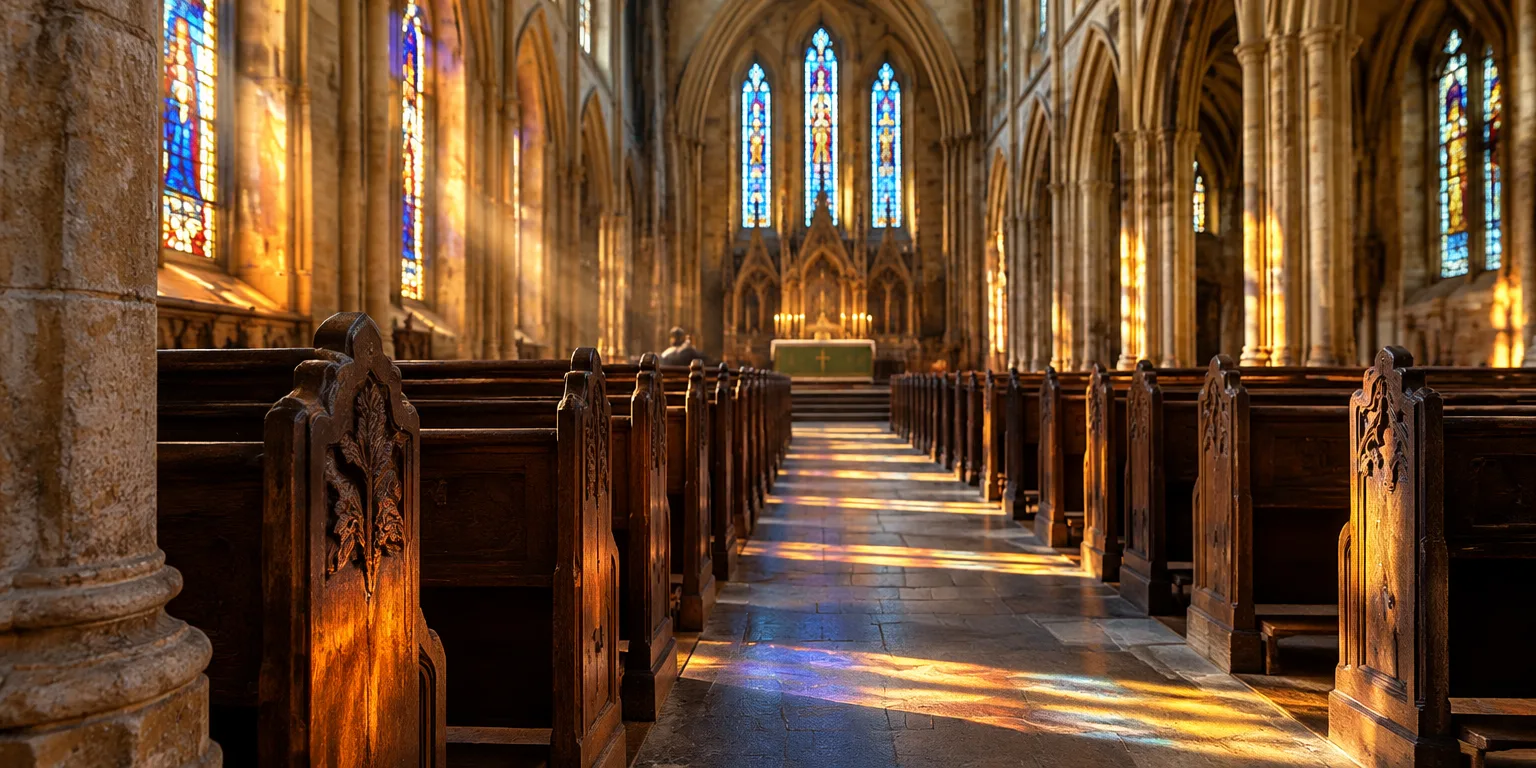
There is even a theory, which she loves, that the wooden pews at Wells Cathedral in England were introduced to subdue the dancing, because it had gotten so out of hand.
Sitting still in church, in other words, may have been a crowd control measure.
Questions people ask
What was a feast day?
Feast days were holy days honoring Jesus, Mary, or saints, plus major seasons like Christmas and Easter. In medieval England they were days off work, with special services, processions, food, drink, music, and dancing.
When did pews become normal in churches?
Churches did not start with fixed seats. Open space was the norm for centuries so people could stand, kneel, and move during worship. Wooden pews became common in English parish churches in the 1400s and 1500s, turning the nave into neat rows.