Cisco Mistook Panic Ordering for Real Demand and Fell From About $80 to $9
Customers had ordered more than they needed, then canceled, leaving the company with plunging sales and supplier bills after a decade of never missing a quarter.
 The a16z Show · What the Internet Boom Teaches Us About the AI Buildout | Mike Volpi
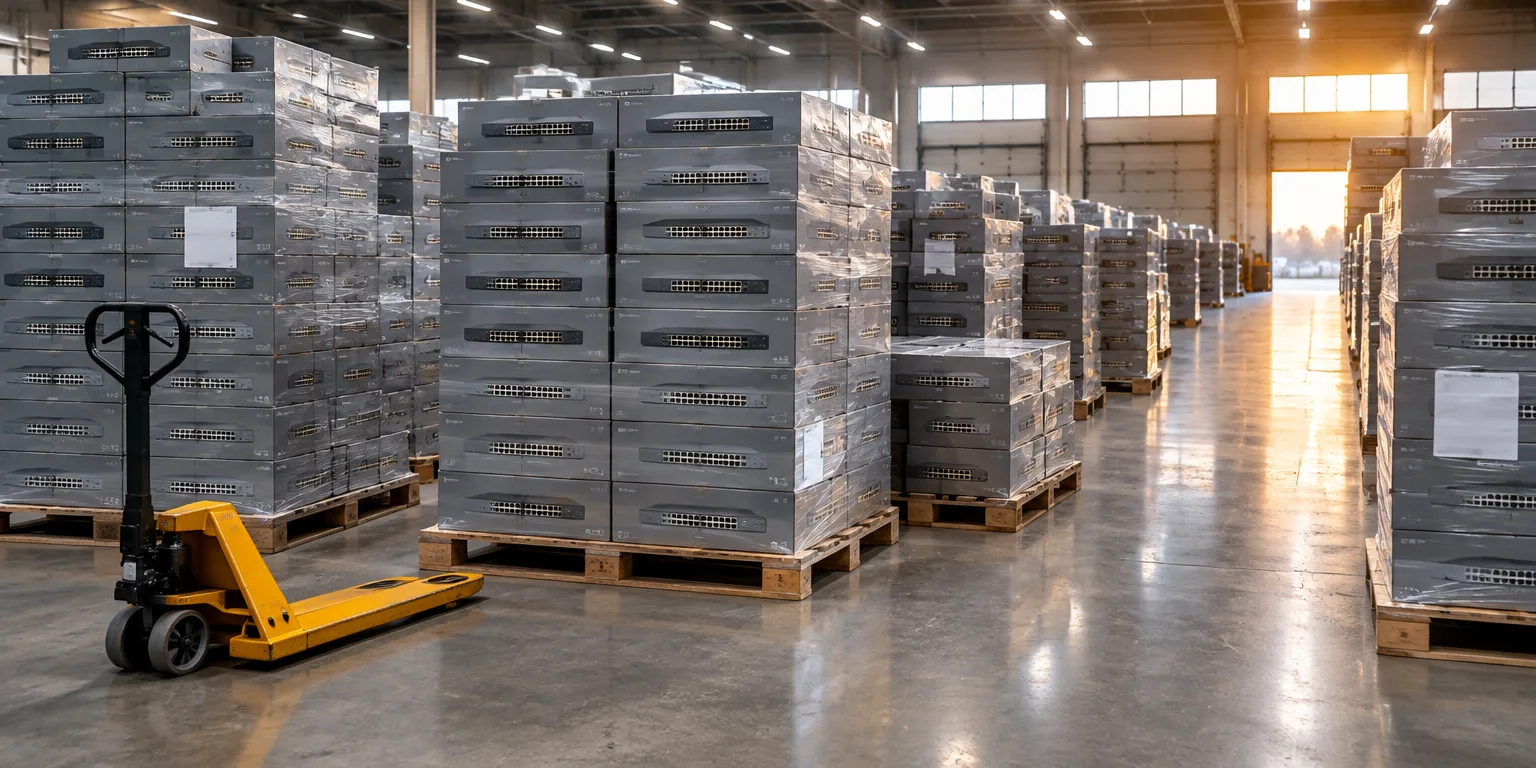
Near the end of the dot-com boom, Cisco could not make switches fast enough. Mike Volpi, who was at the company at the time, said they had “orders on top of orders, on top of orders, on top of orders,” with capacity short across its product lines.
To Volpi and his colleagues, the backlog looked like confirmation. Demand felt so robust that Cisco rushed to lock up parts, placing big orders across its supply chain.
It was the classic mistake of a shortage. Customers were not buying that much because they needed that much. They were over-ordering because they knew Cisco would cut them back.
That gap between perceived demand and real demand is what makes the episode matter beyond Cisco. When fear of shortages inflates orders, a company can mistake panic for growth until cancellations expose it. At Cisco, orders fell to about a quarter of their earlier level.
Cisco had also taken on the financial risk. Volpi said the company essentially told suppliers to keep the money and deliver as soon as possible.
Then demand dried up, and buyers did not simply slow down. They canceled what they had already ordered. A customer who had ordered twice as much as needed might decide he needed half, and then half of that.
The unraveling showed up in the quarter that ran through November, December, and January. December was soft, but December is always soft. The team expected the usual snapback in early January.
It never came. Nothing materialized in the first week of January, nor the second, nor the third. By late in the month, Volpi remembered, the realization set in.
The quarter missed by perhaps 35 to 40 percent, a shock for a company that had been public for a decade without ever missing. Volpi recalled the stock going from about $80-some a share to $9 over six months, leaving Cisco worth roughly one tenth of its former value.
Questions people ask
Why would a customer order more than it needs during a shortage?
If a supplier is short, a customer who needs 100 units may order 200 in hopes of receiving at least 100. When every customer does that, the supplier sees demand for 200 percent of real need and may expand as if that demand is real.
What does it mean that Cisco took the financial risk on its supply chain?
It means Cisco paid suppliers in advance and promised to take the components, rather than placing cancelable orders. That secured capacity when parts were scarce, but left Cisco holding the cost when its own orders were canceled.
Did Cisco survive that collapse?
Yes. Cisco remained the dominant maker of networking equipment and is still a large public company today. The stock collapse reflected the bust and the inventory correction, not the disappearance of its core business.