City Water Means the City Fixes It. Well Water Means You Do.
Municipal service brings regular bills and standardized quality, while a private system trades that for independence and upkeep.
 topwalli.com · What Utilities Do I Need? The Complete Home Setup Guide | TOPWALLI
In town, water works like a service you rent. You are billed for the amount you consume on a monthly or quarterly bill, and city crews look after the pipes and treatment behind it.
If a main breaks, the city is responsible for keeping that shared infrastructure working. City reliability is high.
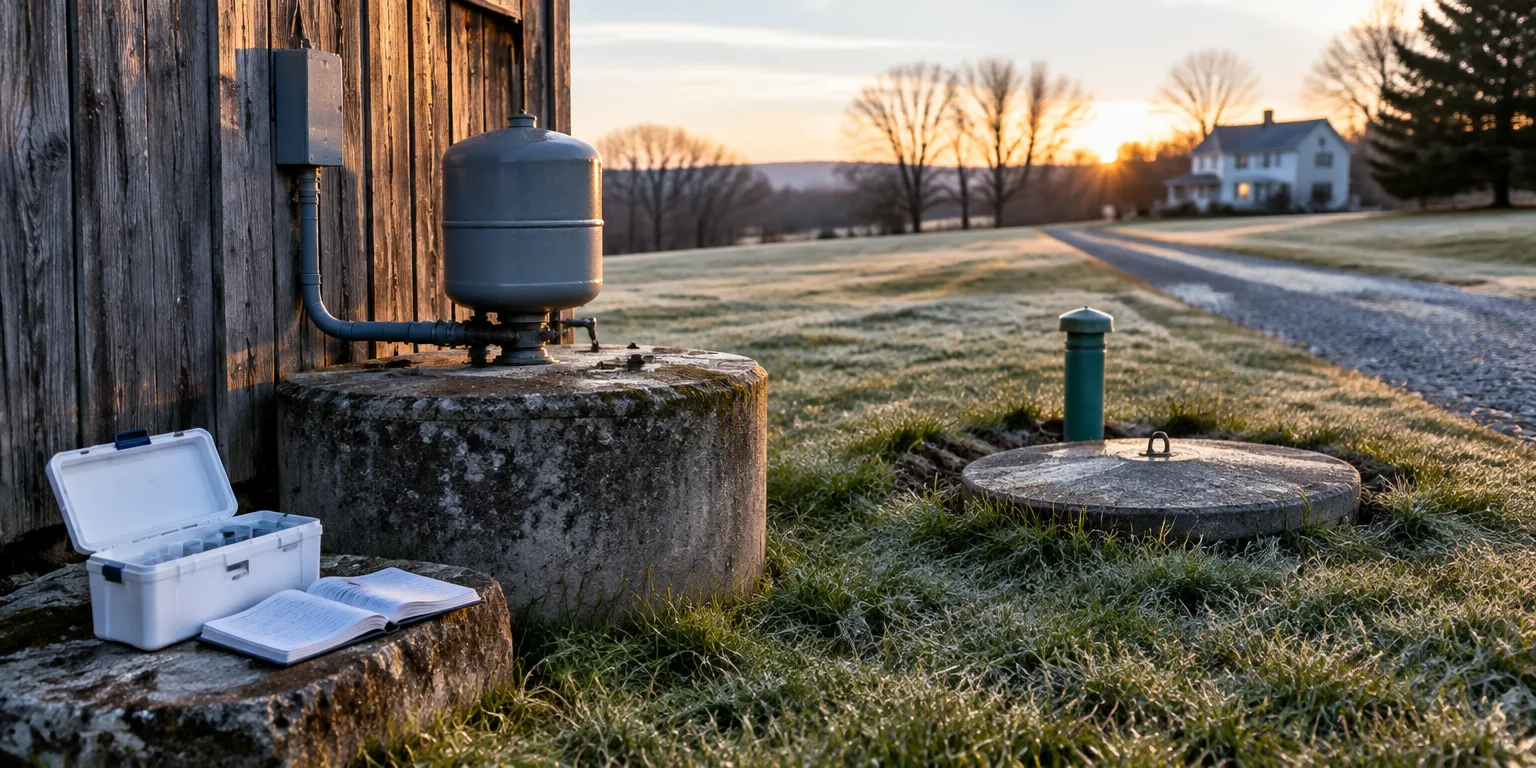
Move to a rural area, and you may find the other setup: your own well that pumps water up, and your own septic tank that handles what goes down the drain.
A private well offers independence from city lines, but the owner handles the upkeep. No city crew covers the well and septic system.
The bills change shape, too. Instead of regular water charges, you face the upfront cost of the installation, plus the electricity it takes to run the pump.
Performance turns on your patch of ground. City water is usually regulated, with standardized quality. Well water depends on the underground supply, and waste handling depends on how well the septic tank holds up.
With a private well, you are the one who has to check the water. That means regular testing, plus staying ahead of repairs, as the price of independence.
Questions people ask
How often should I test a private well?
Many public health agencies suggest testing a private well once a year for bacteria, nitrates, and other local contaminants, and more often if taste, color, or smell changes or after flooding. A certified local lab provides a sample kit and explains the results.
What does septic maintenance actually involve?
A septic system collects household wastewater in an underground tank in the yard, where solids settle and liquid drains to a field. Experts usually advise having the tank inspected every one to three years and pumped when solids build up, since neglect can cause backups.
Who do I call if a city water line breaks?
You generally call the water utility or city public works line, and crews repair the public main at no direct charge beyond your normal bill. If the leak is in the pipe running into your own house, though, a plumber is usually your responsibility.