Civilian Casualties in Mali Have More Than Doubled in Recent Months
A rights report documents a daytime strike on a cattle market, a pre-dawn attack on a health center, and five young girls mistaken for attackers.
 Reuters World News · Ukraine intelligence sharing, France reels and Alberta's vote on secession
Civilian casualties in Mali in recent months are more than twice the total for the equivalent stretch last year, according to Human Rights Watch.
The group says dozens of civilians were killed by Mali's army with Russian support in what it describes as apparently indiscriminate drone attacks during the fight against insurgents.
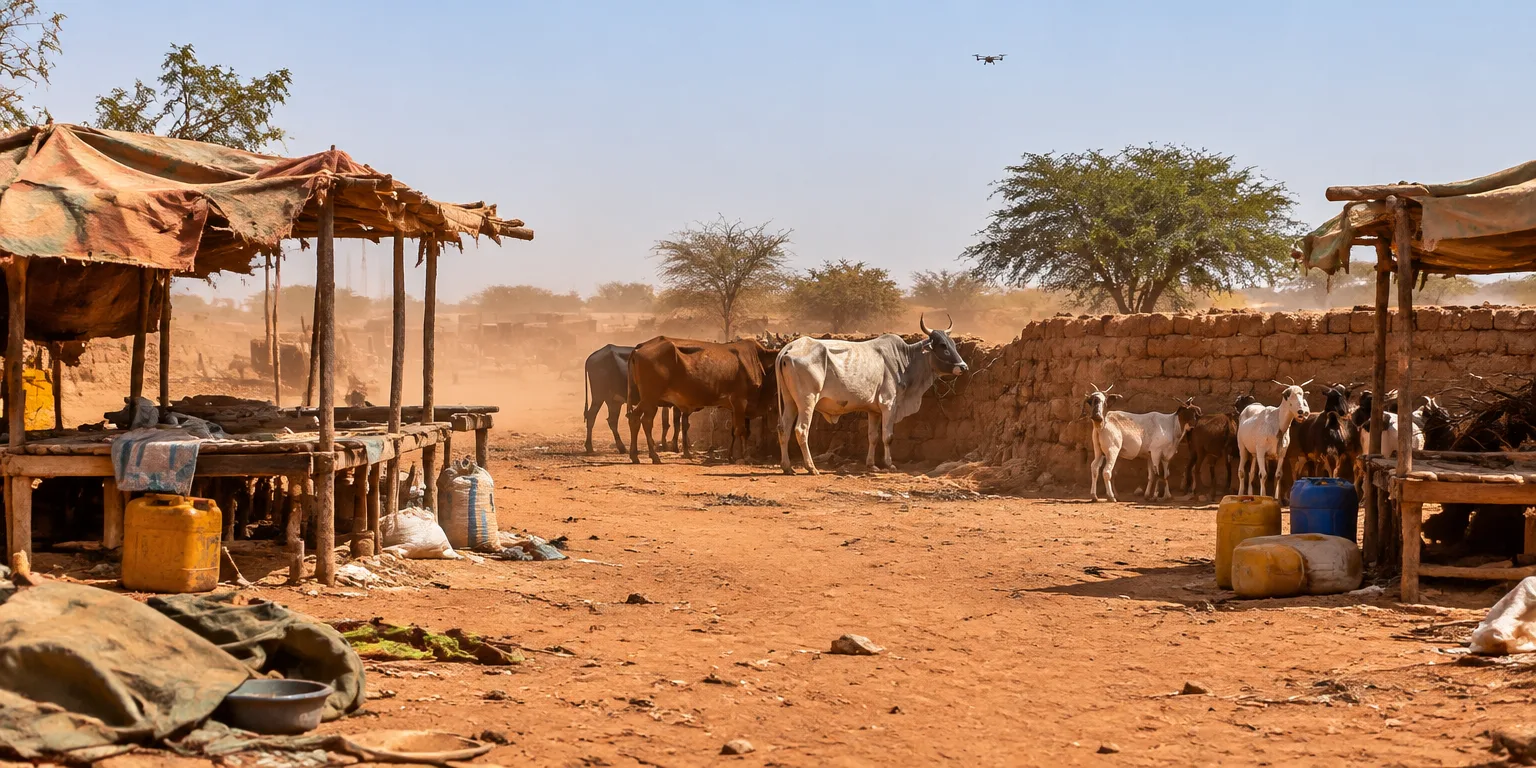
Documented cases include a daylight hit on a livestock market, an early-morning assault on a medical clinic and the deaths of five girls taken for fighters.
Mali's rulers have depended more on Afrika Korps, the Russian paramilitary group previously called Wagner, especially since an April attack that left the defence minister dead and struck the main airport in Bamako. Mali and Russia have given no comment on the findings. Mali has in the past rejected claims that its forces killed civilians during operations against rebels.
Questions people ask
Who is Afrika Corps?
Afrika Corps is a Russian state-controlled paramilitary force that largely took over operations from the Wagner Group in Africa after Wagner leader Yevgeny Prigozhin died in 2023. It provides soldiers, trainers, and security services to allied governments, including Mali's military rulers. In return, Russia gains political influence and access to natural resources.
Why is Mali fighting an insurgency?
Mali has faced Islamist insurgents linked to al Qaeda and the Islamic State since 2012, along with violence involving Tuareg separatists and local militias. Military officers seized power in coups in 2020 and 2021, ended cooperation with France and United Nations peacekeepers, and turned to Russia for support. Civilians are often caught between insurgents who control large rural areas and army operations to retake them.
Do Human Rights Watch reports lead to prosecutions?
Human Rights Watch has no power to prosecute, but its investigations collect witness accounts, photos, and satellite evidence that prosecutors and journalists can use later. Its reports are often cited by the United Nations, foreign governments considering sanctions or aid, and the International Criminal Court. Public pressure from the findings can also push governments to change tactics, even when they deny the claims.