Clean gold is certified by the companies that sell it
Certification depends on refiners inspecting mines and reporting honestly, and some do not.
 The Headlines · Israel’s High-Stakes Election, and How Illegal Gold Is Getting Into the Global Market
A New York Times investigation found that the global gold trade's promise of clean gold, from lawful and responsible pits, kept separate from dirty gold tied to lawbreaking and harm, does not hold. In practice, the two mix.
Diggers and intermediaries sell unrefined metal to processing firms that heat it, pour it into ingots, and pass it to dealers around the world. The LBMA, a London trade group whose stamp banks and traders rely on to buy, vouches that the metal was pulled from legitimate sources. That stamp decides whether bars can be sold widely.
To grant approval, the group depends on processing firms to check the pits they source from and to disclose the results. Times reporting found that some processors misstate where metal comes from and face no penalty.
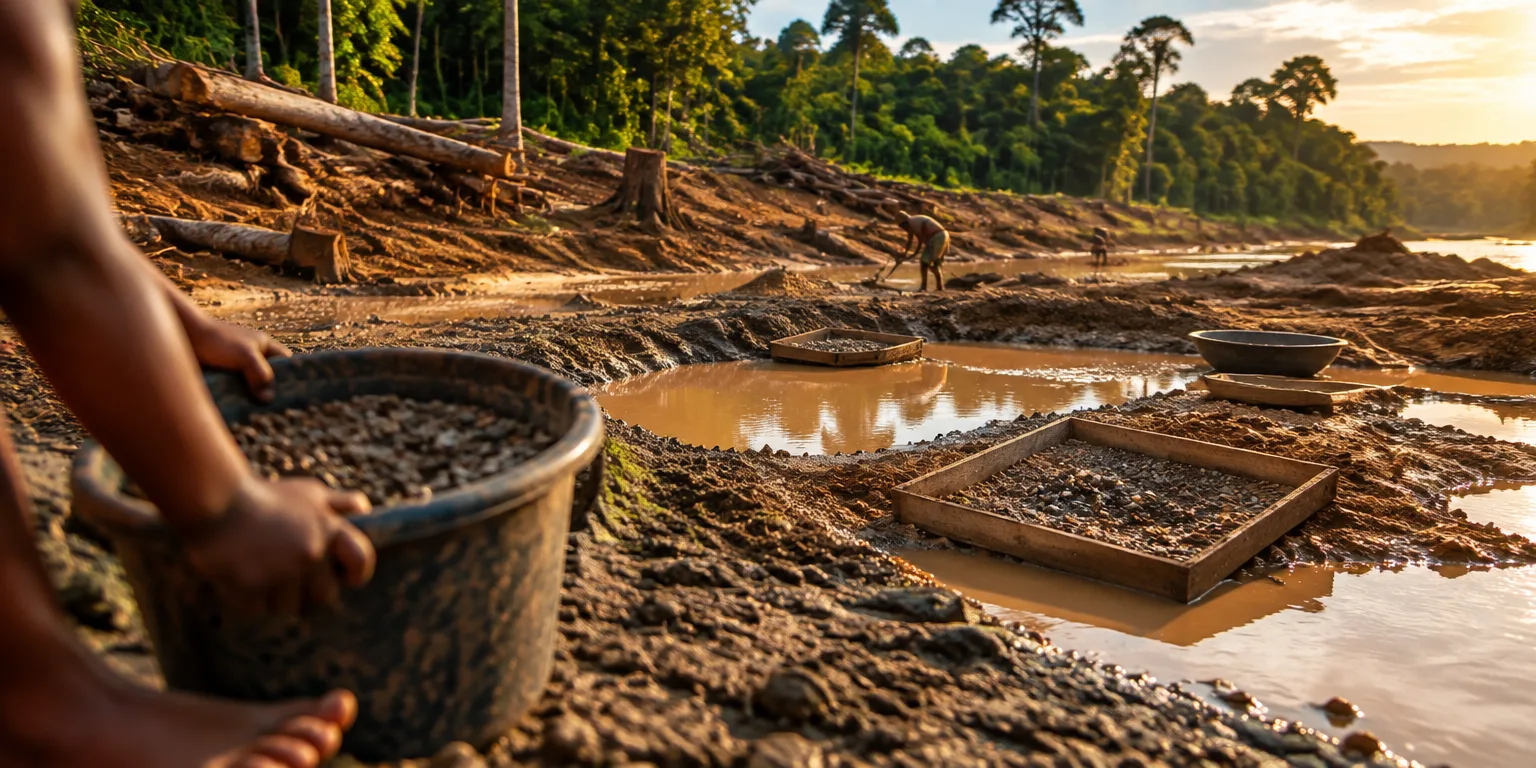
Times reporters who traveled to Madagascar described young children breaking stone and carrying ore, searching for flecks in untreated sewage, and crews felling trees inside a protected forest to support tunnels. That metal was heated and sent to Turkey, where documents show a refiner wrote that it "does not do any business with mines that raise red flags," meaning it claimed to avoid suspect sources. That written assurance allowed the Madagascar metal to win LBMA approval and flow into world trade.
When the Times asked about such cases, the LBMA's chief executive said the organization keeps refineries to the "highest level of international guidelines," but said policing the trade rests with governments.
Because heating erases any trace of origin, the metal itself reveals nothing, so the paper approval is the only screen. That screen matters more now because gold prices stand at record highs, which makes digging more lucrative. High prices have encouraged more digging in very poor areas, including Madagascar, Sudan, and the Amazon basin. The gains reach Wall Street firms, central banks, and private buyers, even when supply includes metal gathered by outlaws, cartel groups, and minors.
Questions people ask
What exactly is the LBMA?
The LBMA is a London-based trade association for banks, refiners, and traders that sets standards for how gold bars are made and traded. Its Good Delivery list functions as a passport: most major banks and exchanges will only buy bars from refiners on it.
Why can't buyers just test gold to see where it came from?
Once gold is melted and refined, its origin cannot be read from the metal itself. That is why the system depends on paperwork and mine checks. If those checks are false, illegal gold becomes indistinguishable from legal gold once it is cast into a bar.
Why has the gold price risen so much?
Investors buy gold as protection against inflation, currency swings, and war, and central banks have been buying heavily in recent years. When demand rises faster than legal mines can expand, prices jump and illegal mining becomes more profitable.