Cocaine Bricks Wash Up Almost Every Week in the Florida Keys
Boaters, divers, and fishermen call the floating bundles square grouper, and picking one up can lead to prison.
 The Headlines · The 2026 Nobel Peace Prize Winner, and the Pentagon’s Plan to Livestream an Execution
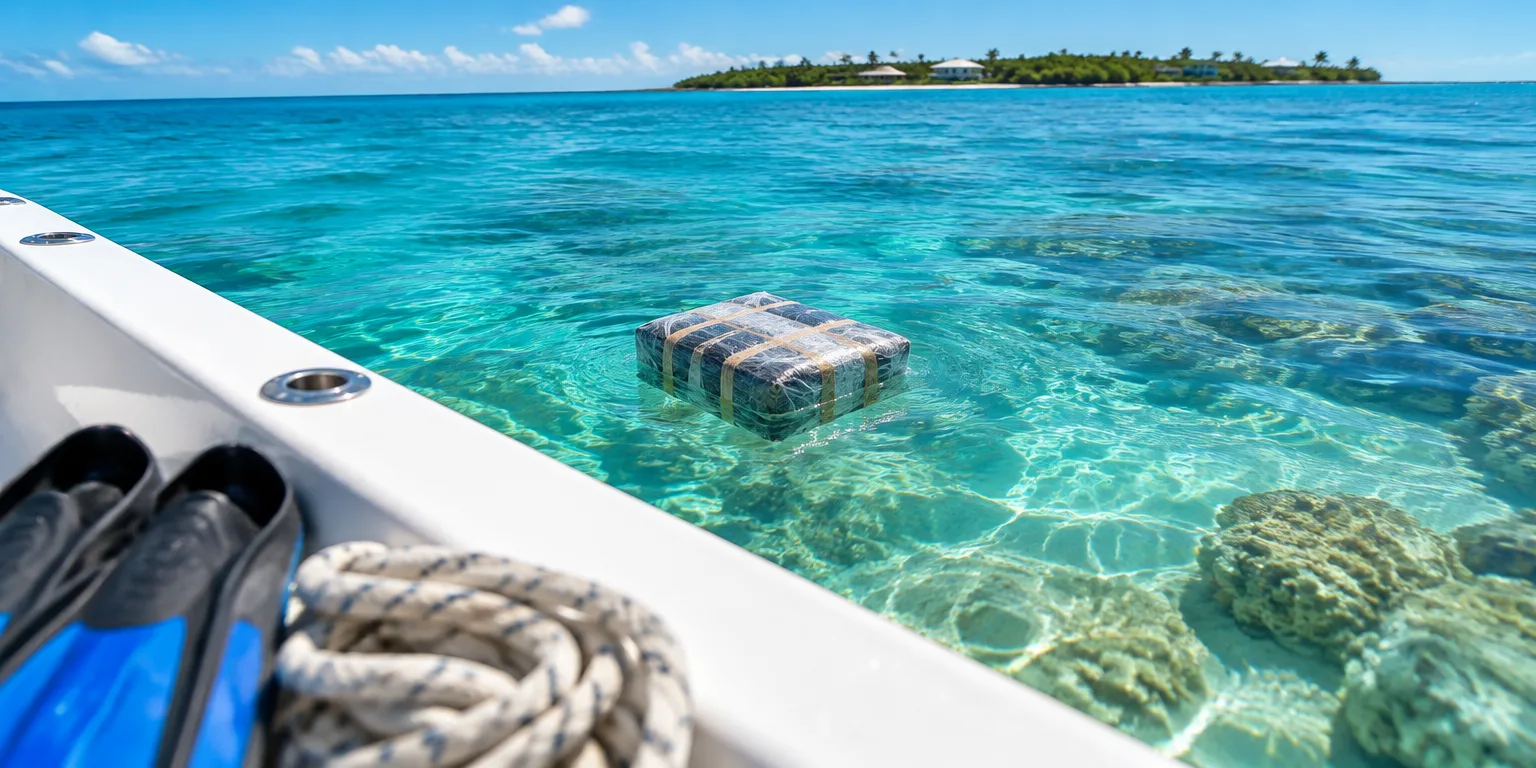
Bricks of cocaine wash up off Florida's coast almost weekly.
In the Florida Keys, boaters, divers, and fishermen keep hauling the plastic-wrapped bundles from the water. Tourists aboard one boat off Key Largo finished a look at a sunken ship when they spotted something big and square floating nearby. The region has been a route for drug smuggling for decades, and the bundles fell off smugglers' boats or were thrown overboard by crews worried about getting caught.
The finds are jokingly called square grouper, after the fish. The name fits because the packages are rectangular, and they might fetch tens of thousands of dollars.
Worldwide cocaine use has been climbing. A sheriff in the area said in a newspaper interview that bundles now turn up almost weekly. Taking one can bring serious legal trouble, and a ring of people recently received prison terms for distributing cocaine they collected from the ocean.
Questions people ask
What should I do if I find a package like that in the water?
As general guidance, not from the report: call local law enforcement right away and avoid handling it more than necessary. Keeping or selling what you find can lead to drug charges.
How big is a brick of cocaine?
A standard brick is usually about one kilogram, or 2.2 pounds, of compressed cocaine. Smugglers wrap the bricks tightly in plastic and tape to keep them dry, sometimes bundle several together, and mark them with stamps or logos to identify the owner.
Why does so much cocaine end up off Florida?
The Keys sit along a major route between South America, where most cocaine is produced, and the United States, where demand is high. Fast boats try to run loads north through the Caribbean and the Straits of Florida, and crews often throw the cargo overboard if they think they are about to be caught.