Coffee May Have Made Caffeine to Survive, Not to Wake Us Up
Long before Ethiopians brewed it, the wild plant may have been using the chemical to survive in the forest.
 TED-Ed · How humanity got hooked on coffee - Jonathan Morris
Your morning coffee was never meant for you.
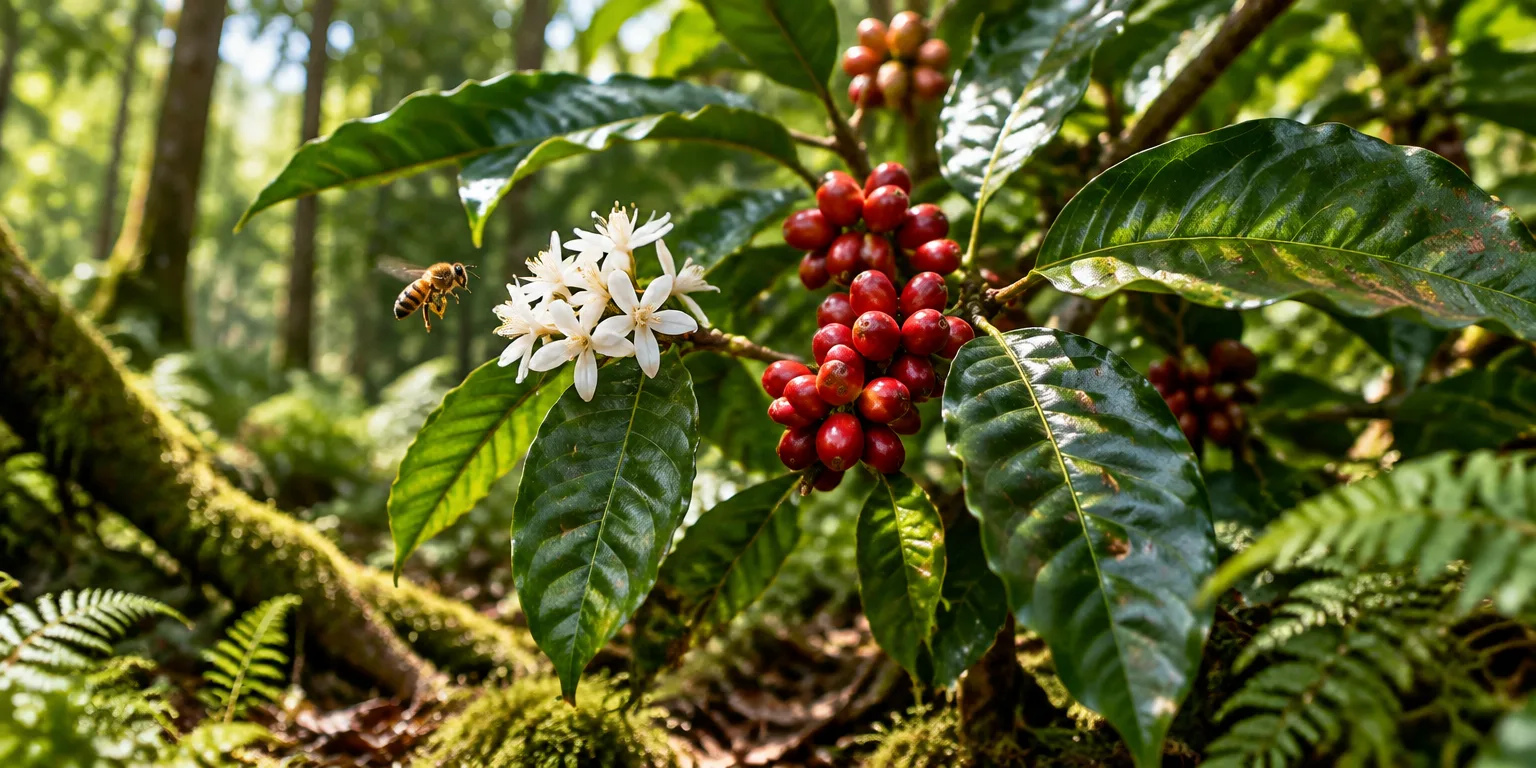
Long before anyone brewed a cup, wild coffee grew in the forest undergrowth in what is now Ethiopia. Sometime before the 1400s, people there began foraging for it. One possible reason the plants carry lots of caffeine is that it helped them survive.
One possibility involves herbivores, the plant-eating animals and insects that chew leaves and berries. Caffeine may have made coffee unattractive to them. To a hungry bug, a bitter, caffeine-laced leaf is a bad meal, so the pest moves on and the plant is left alone.
The other possibility involves friends. Pollinators, the insects that move pollen from flower to flower and help plants reproduce, may find caffeinated plants more attractive. Under this theory, more visits would mean more pollen carried, which could lead to more seeds and more offspring.
People came to coffee only later. Legend sets the tale in about 850, when a goatherd called Kaldi noticed his goats acting strangely after nibbling berries, tried some himself, and grew hyper too.
Humans soon found their own uses, making tea from the leaves, mixing the berries into salty butter for lasting nourishment, and heating the dried and roasted cherries in water for a stimulating drink. We borrowed a possible defense against pests and lure for pollinators, and turned it into breakfast.
The lift we feel may have started as a way for a forest plant to protect itself and reproduce.
Questions people ask
Does caffeine actually poison bugs?
Yes. In high doses caffeine is bitter and can paralyze or kill insects, mites, and slugs, and it can stunt the growth of competing seedlings nearby. That is why scientists think of it as a natural pesticide, though the amount in a brewed cup is far below what would harm a person.
How could caffeine attract pollinators instead of repelling them?
Studies on honeybees have found that small amounts of caffeine in nectar can improve a bee's memory of a flower's scent, making it more likely to return and pollinate similar flowers. The dose is tiny, more like a nudge than a jolt, and the plant benefits from the loyal visits.
Do any other plants make caffeine?
Yes. Tea leaves, cacao pods that become chocolate, kola nuts, and guarana berries all make caffeine. Botanists think the trait evolved separately in these distant plants, which suggests it is a useful trick for survival rather than an accident.