Companies Fear What Silicon Valley Does With Their Data More Than Chinese AI
The issue is control: the leading closed systems cannot be run in house, and customers say they do not know where prompts go.
 20VC with Harry Stebbings · OpenRouter CEO: Why Chinese Open Models Are Beating the US | Why Enterprises Fear OpenAI & Anthropic
Alex Atallah, the co-founder and chief executive of OpenRouter, a company that routes users to many different artificial intelligence models, was asked whether American companies are more nervous about the most advanced American models or about Chinese ones. He had just acknowledged that he cannot pretend to know what goes on inside secretive Chinese organizations such as Moonshot or Alibaba.
“I think they’re more nervous about frontier models usually,” he said. Frontier models is shorthand for the most capable systems.
Atallah said he was talking about control. With those leading closed systems, he argued, corporate customers are confused about the data policy, about what happens to the prompts they send, and about where those prompts are stored and who can look at them.
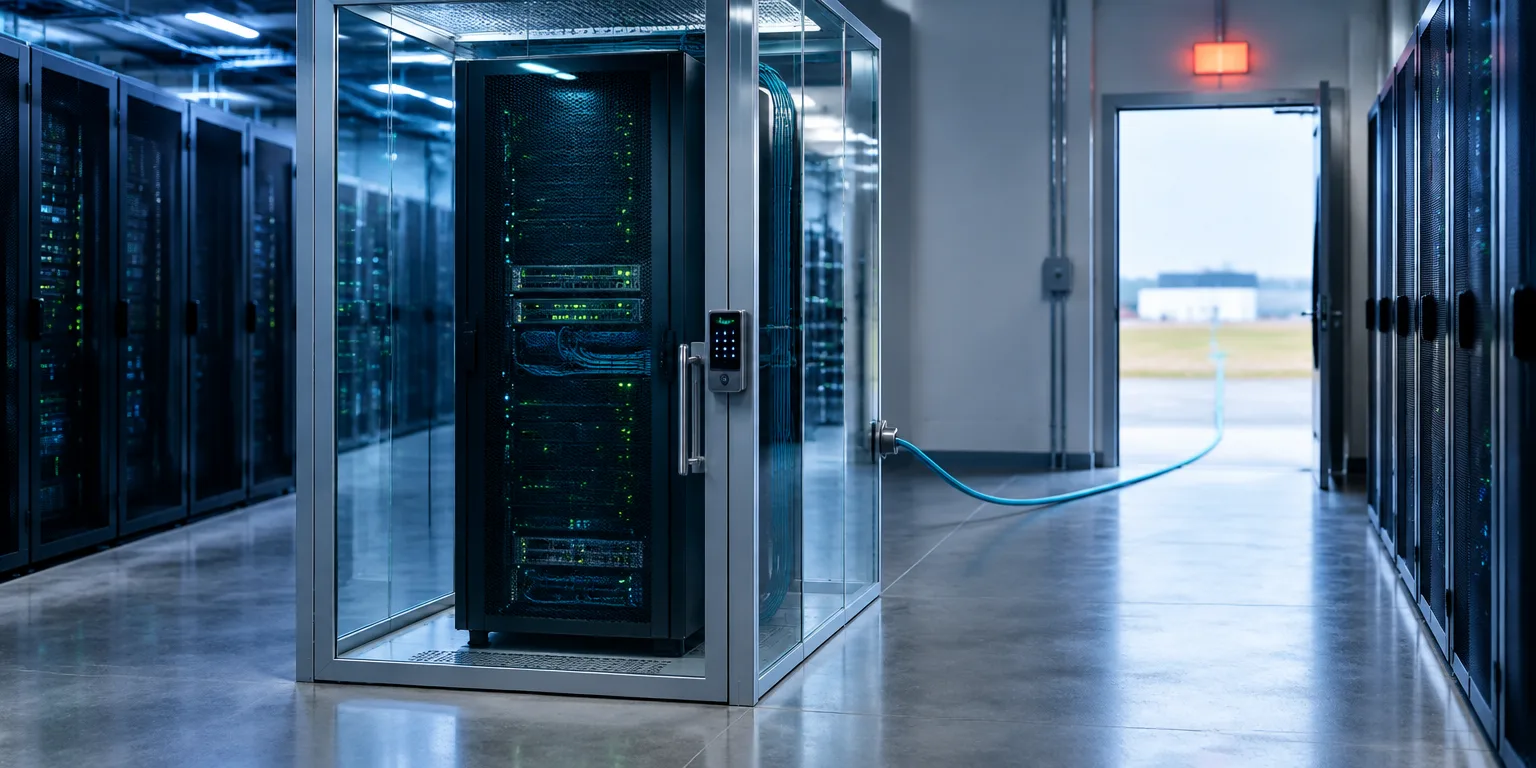
In his view, the problem is that a company cannot run one of those models on its own computers or with a computing provider of its choice, which creates the familiar corporate anxiety about running software on someone else’s infrastructure versus inside its own private system.
Executives are more nervous about American firms they can “see and touch and feel” than about secretive organizations deep inside China. Atallah said he cannot pretend to know what goes on inside those Chinese labs.
The conversation turned to cyber disclosures. The boasts were joked about as posturing, with OpenAI first, then Anthropic, then Zuckerberg not wanting to miss the party. Atallah said the labs have to talk about it.
Questions people ask
Can a company actually run a Chinese model on its own computers?
Yes, in many cases. An open-weight model comes with its core settings published, so a company can download it and run it on its own servers or with a hosting firm it trusts. That does not make it risk free, but it means sensitive prompts do not have to leave the company.
What do OpenAI and Anthropic say they do with customer prompts?
According to their own policy pages, both companies say they do not train on business customer data by default and offer settings to limit retention. Those descriptions come from the companies themselves, not from this interview. Customers still face different rules for consumer and business products.
What does it mean to run AI on your own infrastructure?
They are the rented computers and software that power corporate technology, often in private sections reserved for one customer. When a company runs AI in its own data center or its own walled-off cloud space, it knows who can access the machines. Sending a prompt to an outside model gives up some of that visibility.