Concrete is not expensive, but quarry permits keep supplier margins high
Suppliers report wide gross margins, and new competitors find it hard to get permission to dig.
 Construction Physics · Can We Lower Construction Costs with Cheaper Labor or Materials?
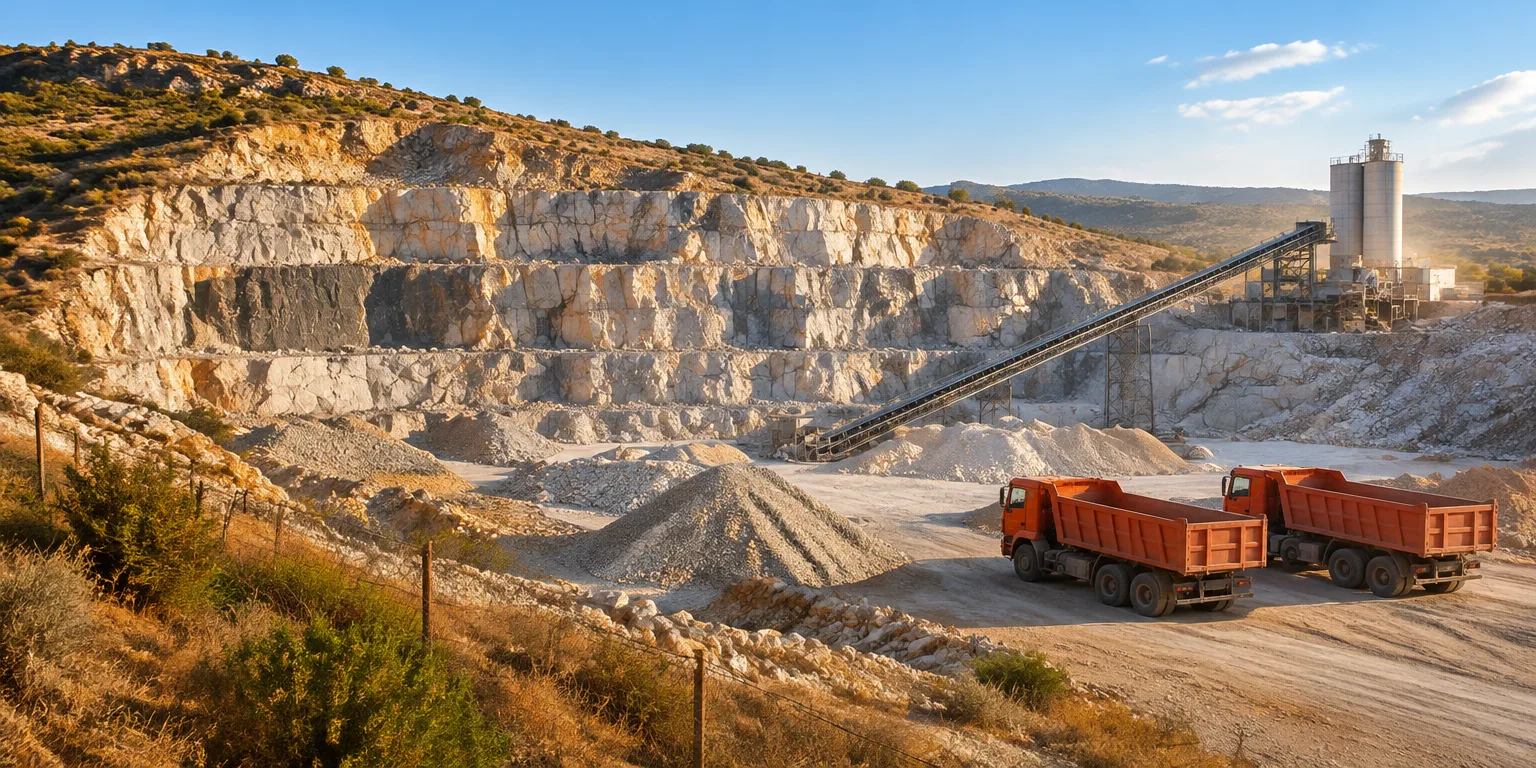
For seven years, the California company Granite Construction tried to open a new rock quarry. The effort produced an environmental report that ran 8,500 pages. In the end, the permit was denied.
That history helps explain an odd feature of American building. Concrete itself is relatively inexpensive, usually running about $6 per cubic foot. It is mostly crushed stone, sand, and gravel, known as aggregate, mixed with cement and water.
In a more competitive market, that price might be a little lower. The companies that sell the ingredients report high gross margins. In 2025, aggregate supplier Vulcan Materials reported a 27% gross margin, meaning it kept 27 cents from each dollar of sales before overhead. Martin Marietta reported 31%, and Cemex reported 32%. Those cushions are high enough that tougher competition might bring a modest decline in concrete costs.
But more competition is hard to get. In some parts of Washington, permitting a new quarry can take seven to 10 years and cost upward of $1 million, and producers often decide the attempt is not worth the risk.
Cement, the other key ingredient in concrete, faces the same barrier. St. Lawrence Cement abandoned a seven-year push for a New York cement factory in 2005. No brand new cement plant has been built in the United States in 15 years.
If new quarries and cement plants cannot be added, lower prices are unlikely. The seven-year effort by Granite Construction ended with the permit denied.
Questions people ask
What is aggregate, exactly?
Aggregate is crushed stone, sand, and gravel. Mixed with cement powder and water, it hardens into concrete, and it also forms the base under roads and buildings. Because it is heavy and cheap per ton, moving it far quickly costs more than digging it nearby.
Why do high profit margins matter for prices?
Gross margin is the share of sales left after the direct cost of making something. A 30% margin means 30 cents of each dollar remain to cover offices, interest, taxes, and profit. Persistently high margins can signal that competition is too weak to force prices down.
Why not just bring in rock and cement from somewhere else?
Sometimes they do, but rock is extremely heavy for its value, so trucking or shipping it long distances adds a lot of cost. Cement has similar economics, and building new plants faces the same long reviews. That leaves builders dependent on nearby quarries and plants.