Corals Are Living Animals That House Thousands of Reef Species
Take away this one living foundation, and thousands of reef species lose their shelter and nursery.
 TED-Ed · Why is biodiversity so important? - Kim Preshoff
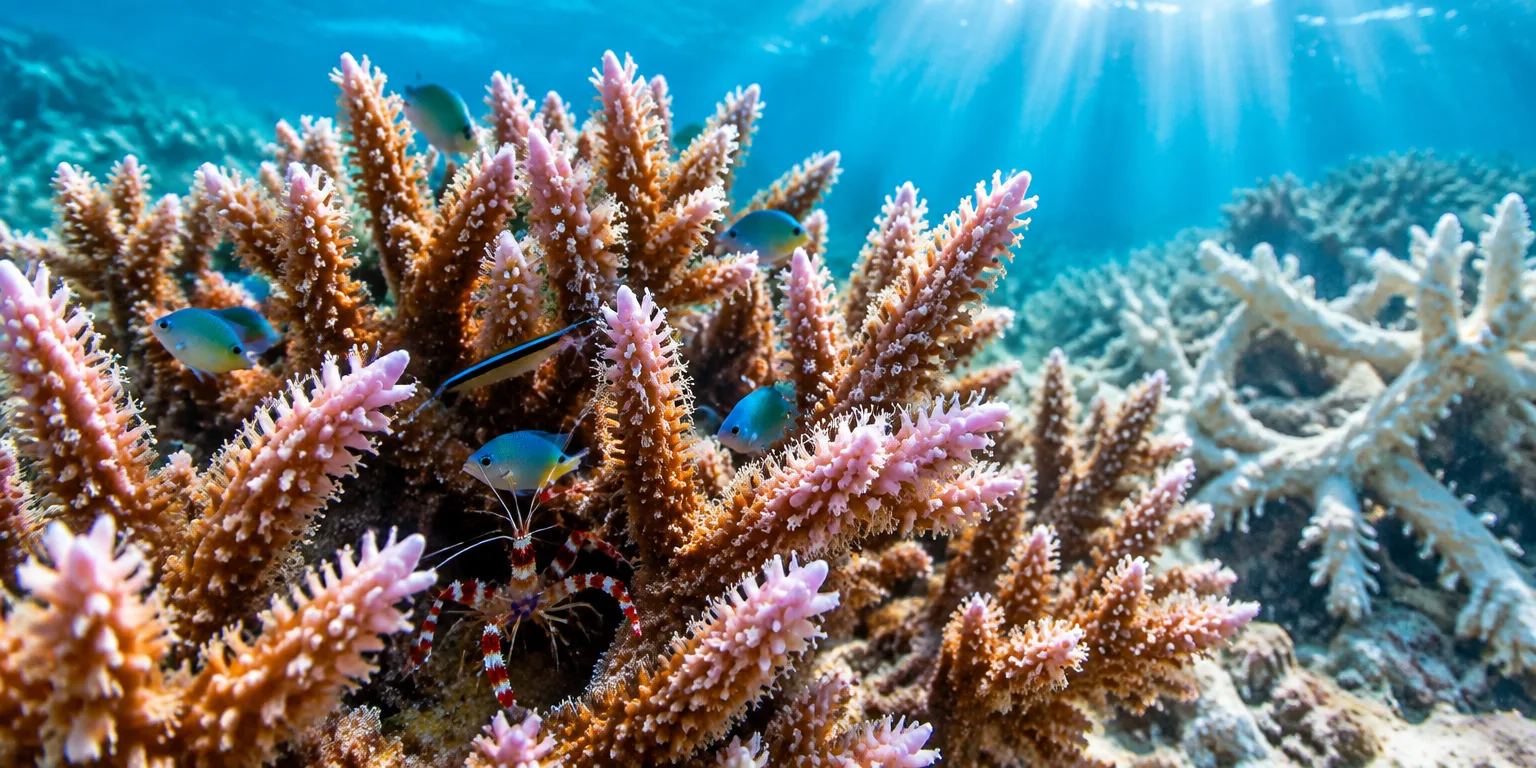
A coral reef looks like rock, but its foundation is alive. Corals are living organisms that build the structure the rest of the reef depends on.
They supply small homes, hiding places, and nurseries for thousands of reef fish and other sea life, including crab-like animals and shellfish. They also form close partnerships with fungi and bacteria that each side relies on.
That support makes coral central to the reef, with countless other species depending on it to survive. A rich system like the Amazon rainforest might absorb the loss of a single species and recover. A reef is far less forgiving.
When destructive fishing, pollution, and ocean acidification weaken or kill coral, its dependents are left with nowhere to hide, live, or breed. Without that foundation, the reef threatens to unravel, and can become lifeless rock.
Questions people ask
Are corals really animals?
Yes. A coral colony is made up of hundreds or thousands of tiny polyps, each a small animal related to jellyfish and sea anemones. Each polyp catches food with tiny tentacles and builds a hard limestone cup beneath and around itself, and together those cups form the reef structure.
How do pollution and ocean acidification hurt coral?
Pollution can smother corals, block sunlight, and fuel algae that outcompete them. Ocean acidification, caused by seawater absorbing extra carbon dioxide from the air, makes it harder for corals to build and maintain their limestone skeletons, leaving them weaker and slower to recover.
What is a keystone species?
It is a species that many others depend on, so its effect is much larger than its size or numbers would suggest. Remove it, and shelter, food, or other essential support disappears, causing far wider collapse than losing a less connected species.