Cord Jelly Is Pitched as a Source of Young Repair Signals
NuvaCell markets tiny packets from newborn tissue as replacing signals the body loses with age.
 HEALTH TALK AMERICA · The Future of Healing: Exosomes, Stem Cells, and the Fall of the “Gold Standard”
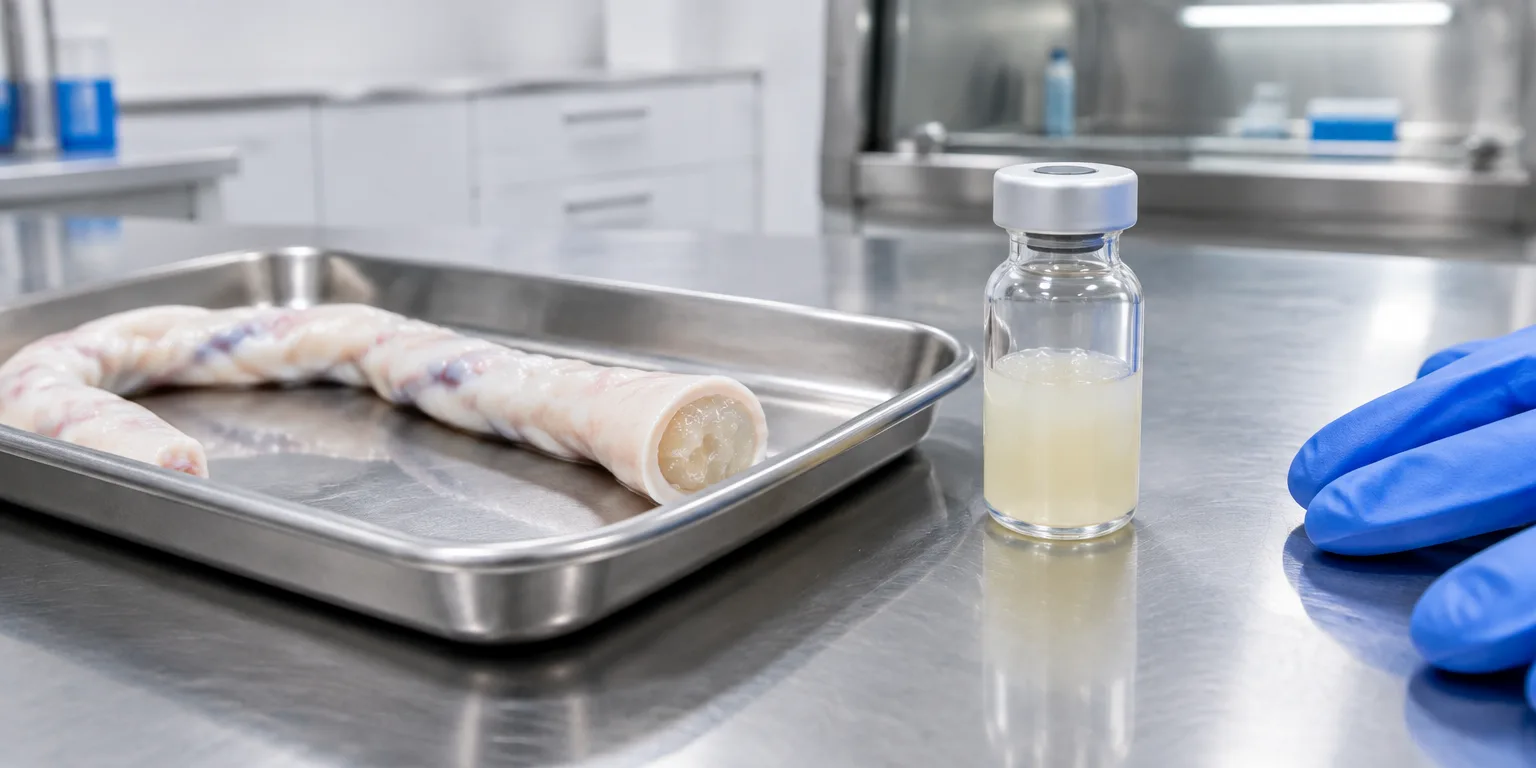
Grant Townsend, chief executive of regenerative products company NuvaCell, says the soft, cushioning gel inside the umbilical cord, called Wharton's jelly, holds some of the most potent stem cells, which his products use.
He says his firm works with an FDA-registered U.S. lab that collects donated cords from C-section deliveries, where sterile collection is easier, then isolates exosomes, tiny packets cells release to carry messages.
He says those packets carry chemical messengers that switch cell repair on or off, and can travel to damaged cells and drop off their cargo. He says the body loses its repair signaling with age, so signals from young tissue are sold as refueling it to act younger.
That is the company's pitch, not proven medicine. He offered no clinical proof in the discussion that the packets restore tissue in people, and independent evidence was not presented.
Questions people ask
What does Wharton's jelly do during pregnancy?
It cushions and protects the blood vessels running between placenta and fetus, preventing kinks and compression. It is mostly water, collagen, and long sugar molecules that give it a slippery, jellylike firmness.
How are umbilical cords donated and screened?
Donation usually uses tissue that would otherwise be discarded after a healthy, consented birth, often from scheduled C-sections to keep collection sterile. Donors are screened for infections and medical history, and samples are tracked, cleaned, and sterilized.