Costco Caps Its Markup at 14% on Name Brands
Its own Kirkland label gets just one point more, far below the 25% to 50% typical in retail.
 Taylor Bell · Inside Costco: The Shocking Strategy That Built The Most Loyal Customers
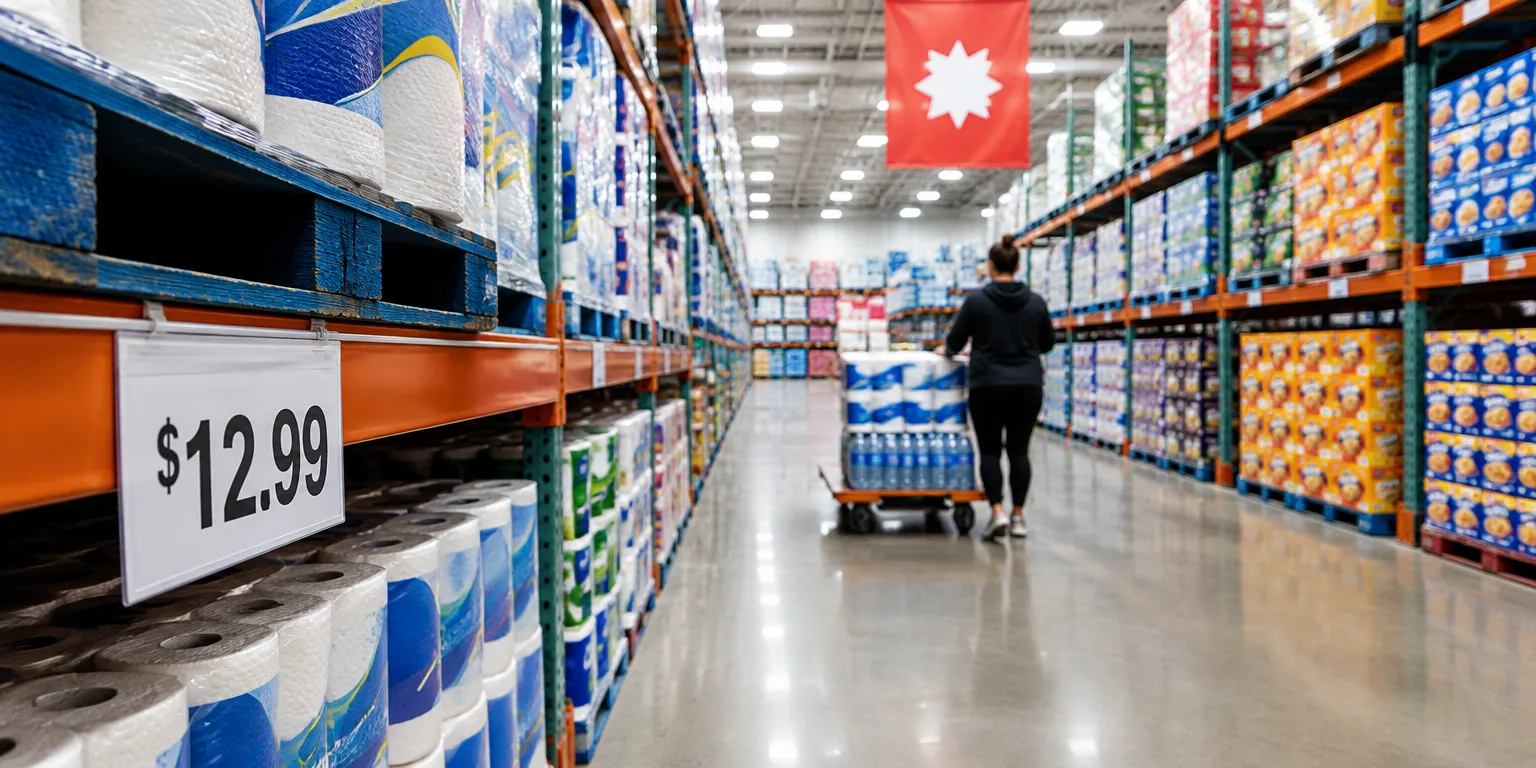
Costco promises to mark up name-brand products by no more than 14%.
That public rule is striking because traditional retailers typically mark up name brands by 25% to 50%. For its own Kirkland label, which it can produce more cheaply, Costco allows itself just one point more, a maximum of 15%.
Co-founder Jim Sinegal summed up the reversal this way: many retailers look at a $10 item and ask how to sell it for $11, while Costco asks "How can we get it to $9 and then later, how do we get it down to $8?" The company would rather price low, sell huge quantities quickly, and keep shoppers returning than let goods sit on shelves. The discipline is public on purpose, and it builds trust with its 137 million members, who pay $65 to $130 a year for the right to shop there.
Questions people ask
What exactly is a markup?
A markup is the difference between what a store pays for an item and what it charges you, expressed as a share of the selling price. A 14% markup means Costco keeps about 14 cents of each dollar of sales before paying store costs, while a 50% markup keeps about 50 cents.
What is Kirkland?
Kirkland Signature is Costco's own store brand, named for Kirkland, Washington, where Costco once had its headquarters. It covers everything from batteries and coffee to toilet paper and wine, and it now accounts for about a third of Costco's sales.
How does Costco make money if its markups are so low?
Costco charges shoppers an annual membership fee to enter its warehouses, and that fee is where most of its profit comes from. Because the profit does not have to come from the goods themselves, Costco can afford to keep markups low and focus on high volume and repeat visits.