Costco Stocks Only 3,700 Items So Brands Must Compete to Charge Less
With only one or two openings per product, winning a Costco slot can mean millions in sales.
 Taylor Bell · Inside Costco: The Shocking Strategy That Built The Most Loyal Customers
Walk into a Costco warehouse, one of the biggest stores in America, and you will find surprisingly little to buy. A typical location stocks only about 3,700 different products. A Walmart Supercenter, by comparison, carries about 140,000. Costco is the world's third largest retailer, behind Walmart and Amazon, and its small selection is deliberate.
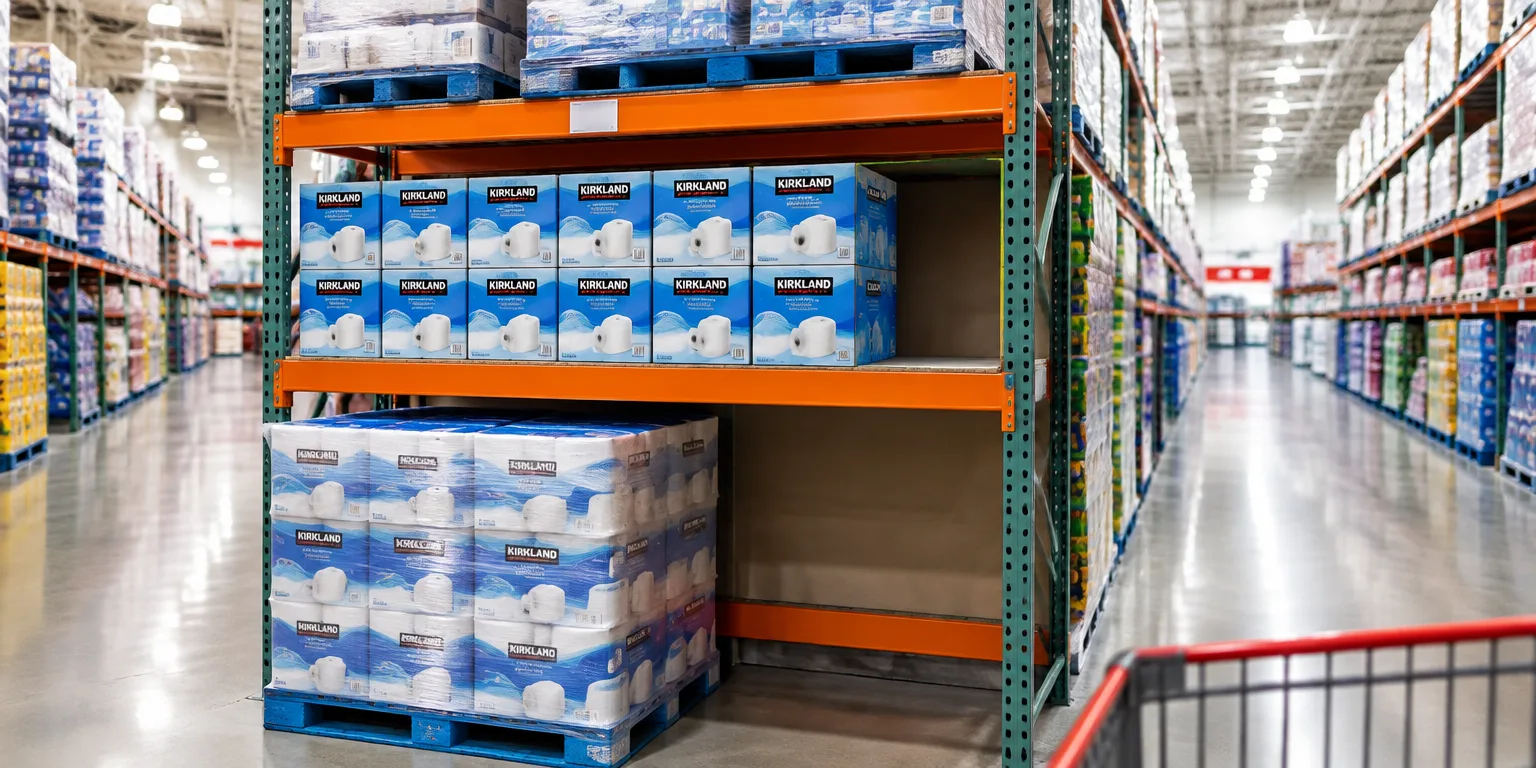
For any item it decides to sell, Costco picks one, two, three, maybe four brands to sit next to its own store brand, Kirkland. It then buys those few winners in enormous volume, over and over.
That scarcity turns the usual store math upside down. If a shelf has only two spots, and one is already taken by Kirkland, every outside brand is fighting for the one seat left. Landing that seat can bring millions of dollars in sales and new loyal customers, so brands are often willing to cut their wholesale prices, design better large packages, or even adjust their formulas just to get in.
Costco also does not charge brands for that shelf space once they are chosen, as many other retailers do. A brand is there because it offered the best deal, not because it paid a fee.
The narrow choice makes the warehouse cheaper to run. Handling a short list lets Costco move goods off shelves quickly, bargain for cheaper freight, waste less on expired goods, and make jobs like refilling shelves and training workers simpler. The result is retail efficiency built on repetition: huge amounts of the same products, moving fast.
So the narrow range helps keep costs and prices down. The competition happens before shoppers arrive, among brands trying to earn the single open slot.
Questions people ask
What is a slotting fee, and why does it matter that Costco does not charge one?
A slotting fee is a payment a manufacturer makes to a supermarket or other retailer to get its product placed on shelves. The fees can run thousands of dollars per item per store, and they help retailers earn money even before anything sells.
How does Costco decide which brand wins the one open spot?
Buyers test samples, compare wholesale prices and quality, and rotate items in and out. If another brand offers better value, or if members stop buying it, Costco will replace it. That constant threat keeps suppliers honest.
Why don't Walmart and other big retailers just copy the 3,700-item model?
Walmart and most grocers try to be everything to everyone, with many flavors, sizes, and price points. That model needs far more shelf space, more complex supply chains, and higher markups. Costco accepts fewer customers per product category in exchange for higher volume per item.