Cuba Stayed Locked Out After the Cold War Over Florida Politics and Defense of Socialism
Vietnam and China rejoined world trade, while Havana chose system survival and Washington feared losing Florida.
 Economics Explained · Cuba Was Barely Holding On… And Then The Oil Ran Out
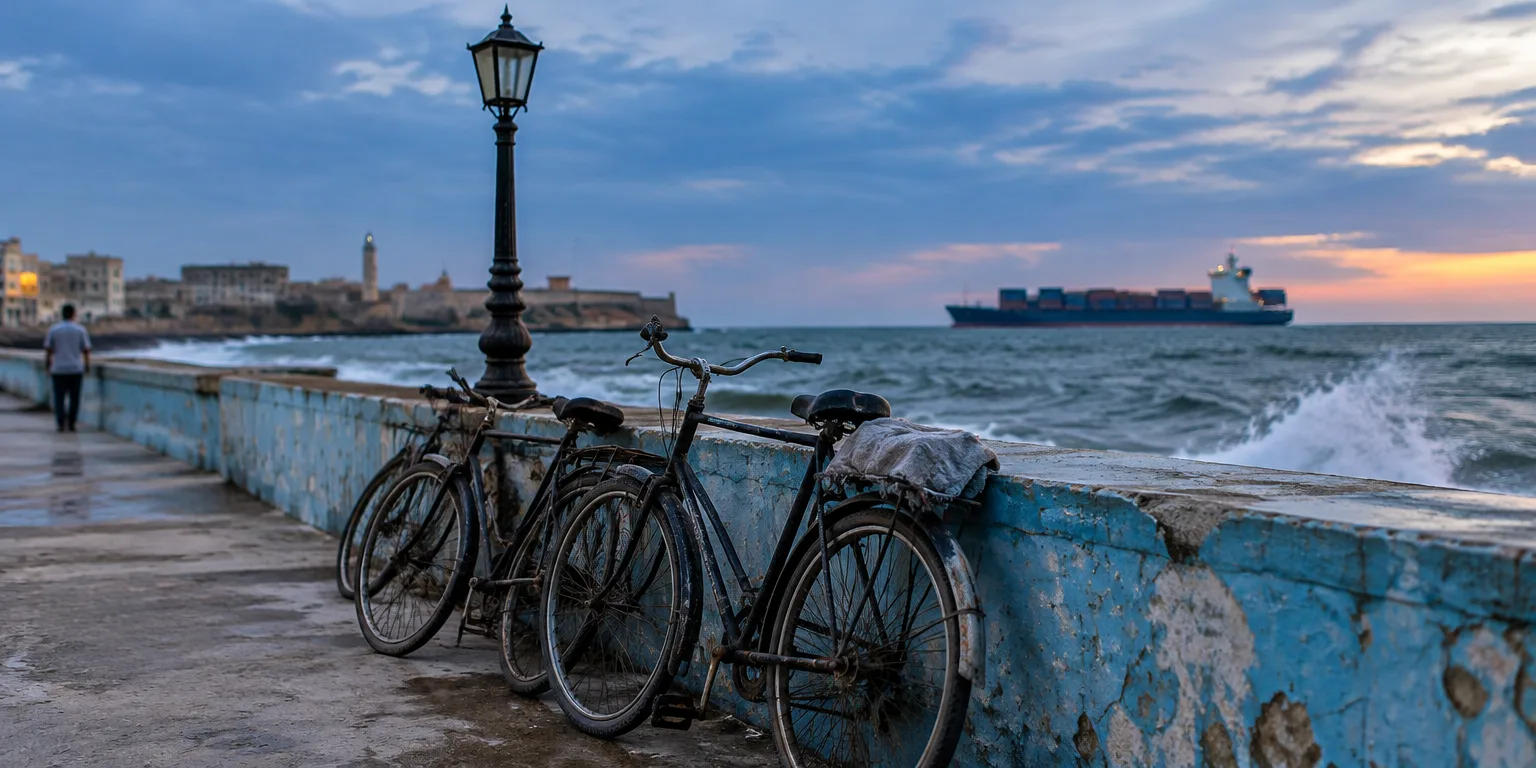
In the early 1990s, Cuba lost Soviet support and fell into severe hardship, with food rationing, long blackouts, and streets filled with Chinese bicycles after gasoline ran short. As the rivalry between Washington and Moscow ended, the United States rebuilt commercial ties with former adversaries. Vietnam restored relations and grew quickly, China became the world's factory, and Russia traded widely with the West for a time. Cuba did not.
An economist studying that collapse argues that the difference "has more to do with politics than economics." On the Cuban side, leaders put "the survival of the socialist system" ahead of economic and political reform. That choice, the economist argues, gave supporters of continued pressure a justification to keep sanctions in place, and it resonated with many Cuban Americans who favored a hard line.
On the American side, Cuban exiles and their children built strong influence in Florida, a state that often decides presidential elections. The argument is that few national politicians wanted to soften Cuba policy and then answer for it in Florida, where a loss can cost the White House. For that reason, the trade ban became politically untouchable.
Congress then wrote the ban into law and gave it reach beyond American borders, penalizing foreign companies that did business with the island. The 1996 Helms-Burton Act made that choice explicit. From then on, a bank, shipper, or manufacturer with global ambitions had to decide whether it valued access to the American market or business with a small Caribbean island.
Questions people ask
Why does Florida matter so much in presidential elections?
Florida has 30 electoral votes, among the largest prizes in the Electoral College, and was decided by a few hundred votes in 2000. Cuban Americans are concentrated in South Florida, vote at high rates, and care intensely about Cuba policy, so they carry weight far beyond their national numbers.
Do all Cuban Americans support the embargo?
Many Cuban Americans arrived as exiles after Fidel Castro seized power and confiscated property, and many support pressure as a way to force democratic change. Younger Cuban Americans are more divided, with some favoring engagement and travel, but the organized pro-embargo vote has historically been influential in Florida politics.
How can the U.S. punish foreign companies for trading with Cuba?
In 1996, Congress passed the Helms-Burton Act, which wrote the embargo into law so a president could not end it alone. Later provisions allowed Washington to penalize foreign firms that profited from confiscated American property in Cuba, forcing many overseas banks and shippers to avoid the island.