Cuba Traded 40,000 Workers for Nearly All of Its Imported Oil
The country needs 100,000 barrels a day but pumps only 40,000, so Venezuela covered nearly all of the shortfall.
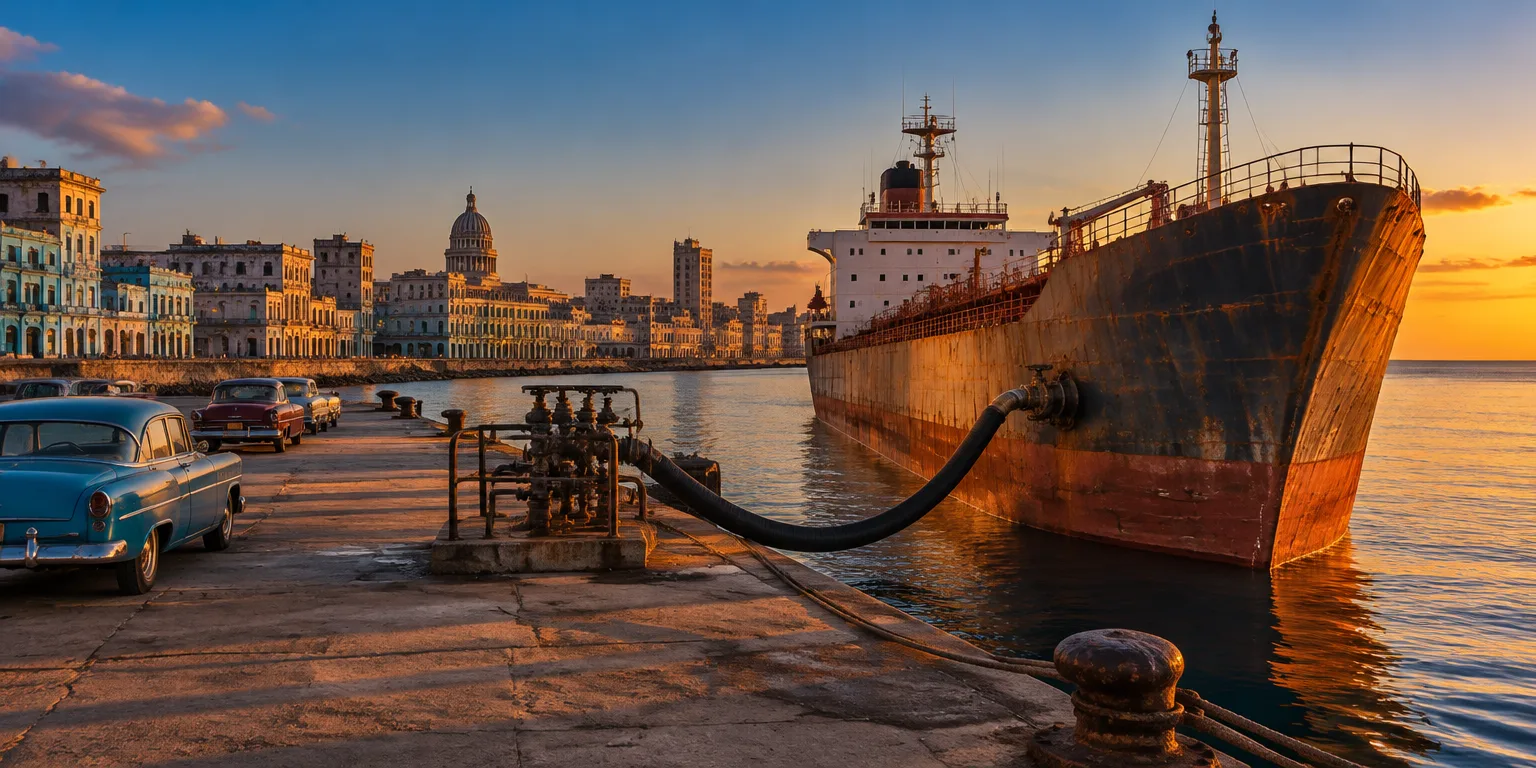
 Economics Explained · Cuba Was Barely Holding On… And Then The Oil Ran Out
Cuba kept its lights on by trading people for oil.
In 2000, Hugo Chavez, Venezuela's president at the time, struck a barter arrangement with Fidel Castro, Cuba's leader, a fellow leftist leader. Venezuela would pump oil to Cuba at below market rates and on unfavorable credit terms. Cuba would send workers the other way.
At its peak, Venezuela sent close to 100,000 barrels a day. Cuba paid its side with about 40,000 personnel posted to Venezuela, including physicians, classroom instructors, plus security and military advisers.
The numbers explain why the deal mattered so much. To run normally, Cuba burns about 100,000 barrels per day but pumps only about 40,000 barrels itself. At the height of the arrangement, Venezuela filled nearly the whole deficit. Venezuela's own output was already falling, so the arrangement was fragile.
Questions people ask
Why pay for oil with workers instead of money?
Largely because Cuba was short of hard currency. Under a long running American trade embargo, it could not easily borrow or earn dollars, but it had a large state trained workforce of doctors, teachers, and security staff it could send abroad.
What happened when the Venezuelan oil stopped coming?
Shipments had already slid from the 100,000 barrel peak to about 15,000 barrels a day by 2025, then fell to near zero. Cuba drained emergency reserves, sought help from Mexico and Russia, and suffered blackouts of up to 20 hours a day.