Cut off from banks, Russia and North Korea barter shells for food and fuel
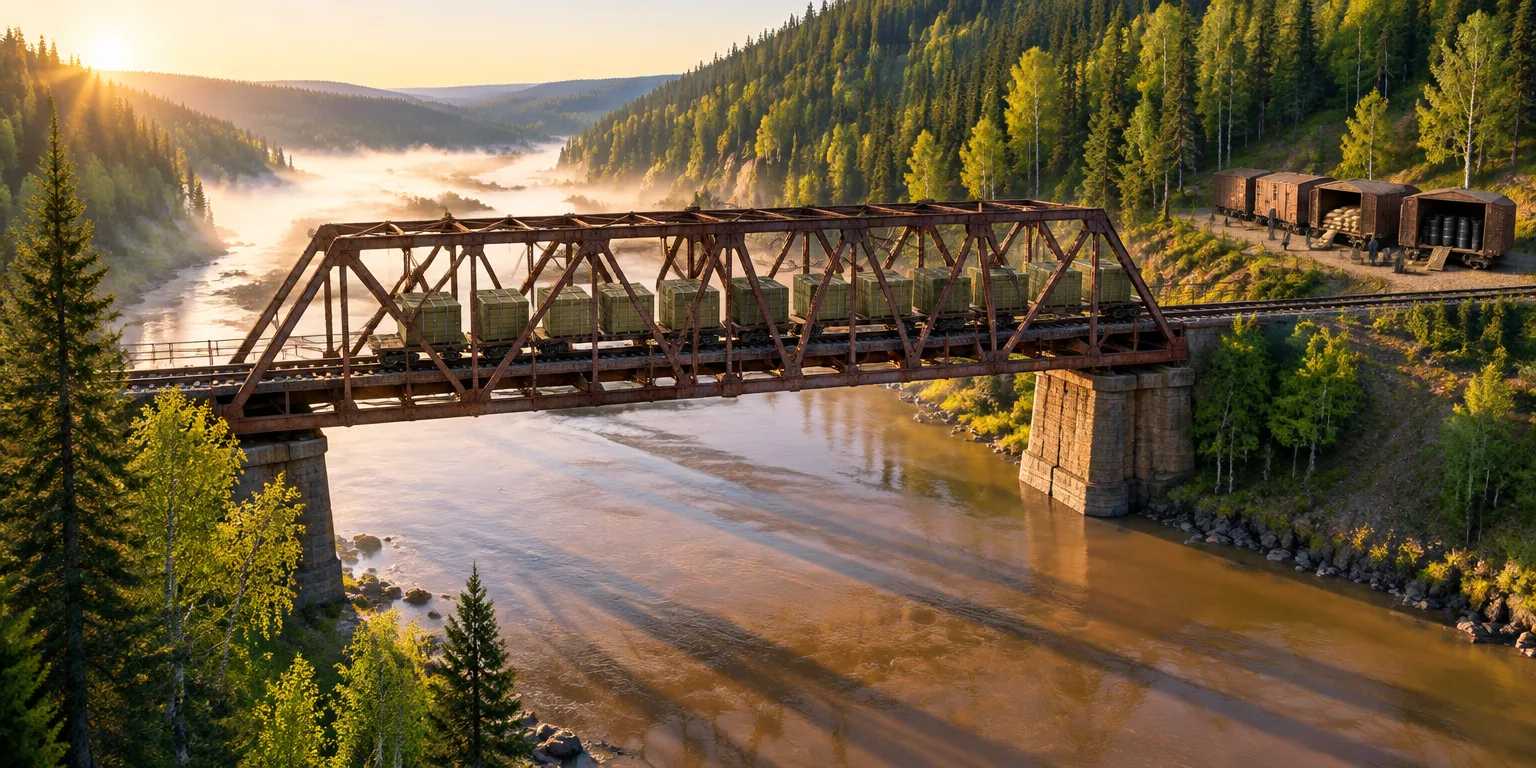
With sanctions blocking normal payments, trainloads of shells go one way across a single rail bridge, and necessities come back the other.
 Economics Explained · How Kim Jong Un "Accidentally" Fixed North Korea's Economy
Normally, countries do not pay each other with cash. When one country sells raw materials to another, the money moves as numbers between banks that both sides trust to keep score. Russia and North Korea have been cut out of that banking network by sanctions, so they cannot wire payments and settle accounts like normal trading partners.
That left them with an older method: barter, exchanging products directly rather than paying in currency.
The deal works because each side has what the other lacks. Since its 2022 invasion of Ukraine, Russia has been burning through artillery shells more quickly than its domestic plants can produce them. North Korea has spent 70 years mass producing and warehousing shells in the same Soviet standard sizes, stockpiled for a conflict that never happened.
Moving them is still awkward. The two countries share only a 17 kilometer stretch of border along the Tumen River at North Korea's northeastern edge, spanned until recently by only one old railway bridge. They started building their first road connection only in 2025. Even so, South Korean intelligence estimates that North Korea has shipped about 6,700 containers of munitions across that bridge since 2023, potentially holding millions of shells. On some occasions, these deliveries have supplied up to about one-half of the artillery ammunition fired by Russian forces. North Korea has also sent 14,000 to 15,000 soldiers to fight mostly in Russia's Kursk region, plus additional thousands sent to work on building sites and in other jobs.
In return, North Korea takes food, fuel, fertilizer, and building materials, along with what Western intelligence agencies describe as engineering assistance for its satellite, missile, and undersea weapons programs. Because no money changes hands, the full scale of the exchange is almost impossible to track, even as trainload after trainload crosses the river.
Questions people ask
What does it mean to be cut out of the international financial system?
It is a messaging and settlement network that lets banks in different countries confirm payments quickly and trust that the money will arrive. When banks are cut off, trade does not stop entirely, but it becomes slower, costlier, and more reliant on cash, middlemen, or direct swaps of goods.
How do countries decide what a fair barter is without using money?
They usually negotiate an approximate value, often in tons of wheat for a number of shells, or they settle over time with repeated shipments each way. Without a market price in money, both sides have room to argue they got a good deal, which is one reason outside estimates of the trade vary so widely.