Dartmouth wants older patients to age at home, not in hospital beds
Phone care and AI could cut unneeded hospital stays and support home health workers.
 Freakonomics Radio Network · 680. Can Universities Win Back Our Trust? | Freakonomics Radio
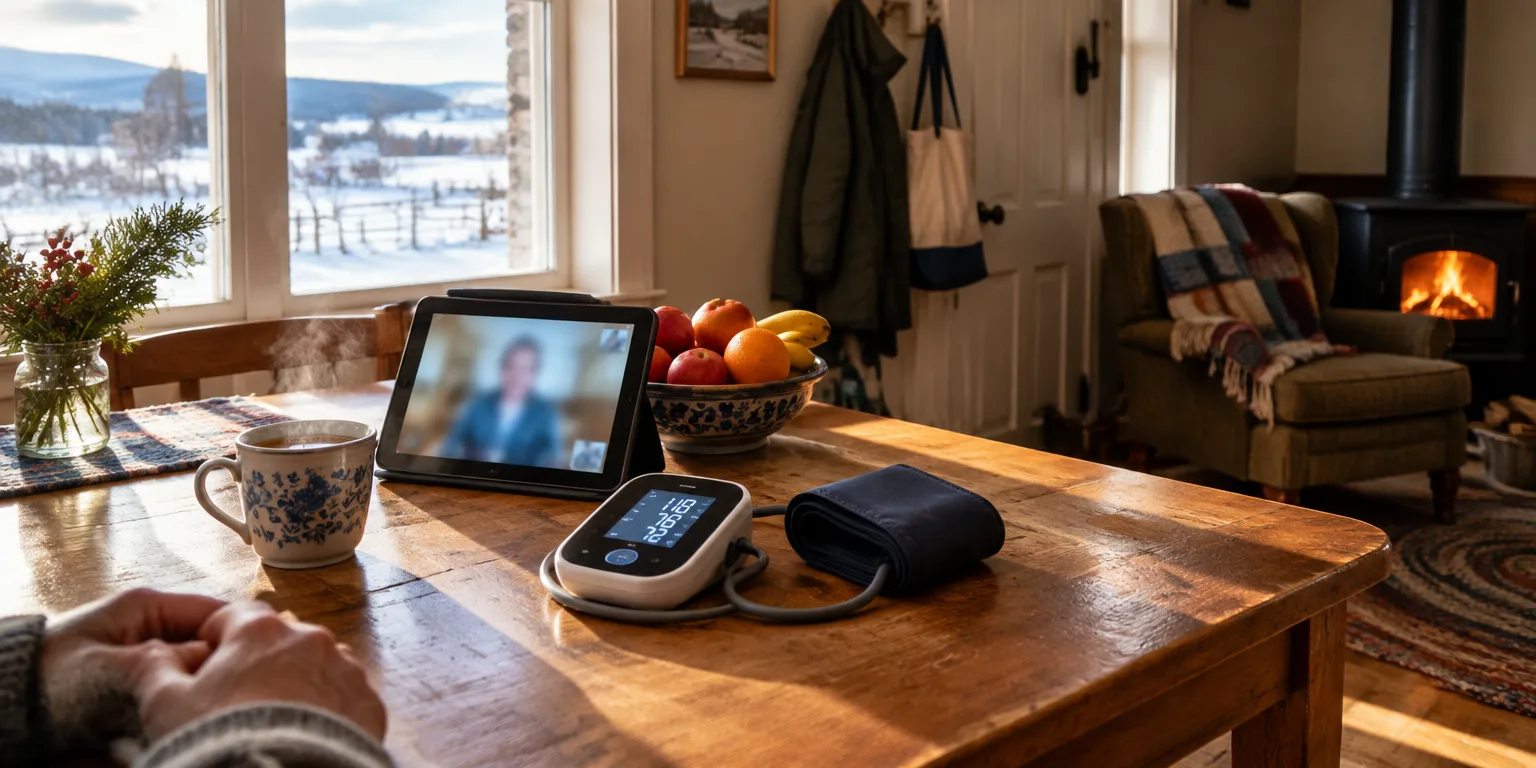
Dartmouth is building a way for older people to age in their own homes, using phone-based care and artificial intelligence so they go to the hospital only when they need to be there. Dartmouth's president, Sian Beilock, says the idea would free beds, save money for hospitals and insurers, and offer a better quality of life.
Beilock says she has read that Dartmouth runs "the largest rural medical system in the country." The most rural veterans hospital sits nearby in White River Junction, Vermont. In rural areas generally, she says, there is often a mismatch between hospital care and support at home.
Many older people want to remain home but lack the structure around them to do it. Home health care workers are greatly needed, she says, and lack strong career paths and training.
Questions people ask
Why would staying home be healthier than staying in a hospital?
For many older adults, home means more sleep, more movement, and more contact with family and friends, all of which help recovery and mental health. Hospitals bring infection risk, confusion from disrupted routines, and high costs, especially for people who do not need intensive care. The goal is to reserve hospital stays for treatments that can only happen there.
What does phone-based health care actually involve?
It can include video visits, phone check-ins, remote monitors for blood pressure, blood sugar, or heart rhythm, and apps that flag changes for a nurse. Artificial intelligence can help sort those alerts, remind patients about medicine, and connect them to a person when needed. It does not replace the doctor, but it stretches the time between in-person visits.
Why is rural health care such a challenge?
Rural areas have fewer doctors, longer drives to clinics and hospitals, and older populations on average. Small hospitals have struggled financially, and broadband and transportation gaps can make follow-up care harder. That combination makes models that bring monitoring and support into the home especially valuable.