Disk-Drive Makers Kept Being Beaten Within About Two Years
Buyers got vastly better machines while the founders saw little benefit, which is why lasting power matters more than fast growth.
 YC Root Access · Lecture 5 - Competition is for Losers (Peter Thiel)
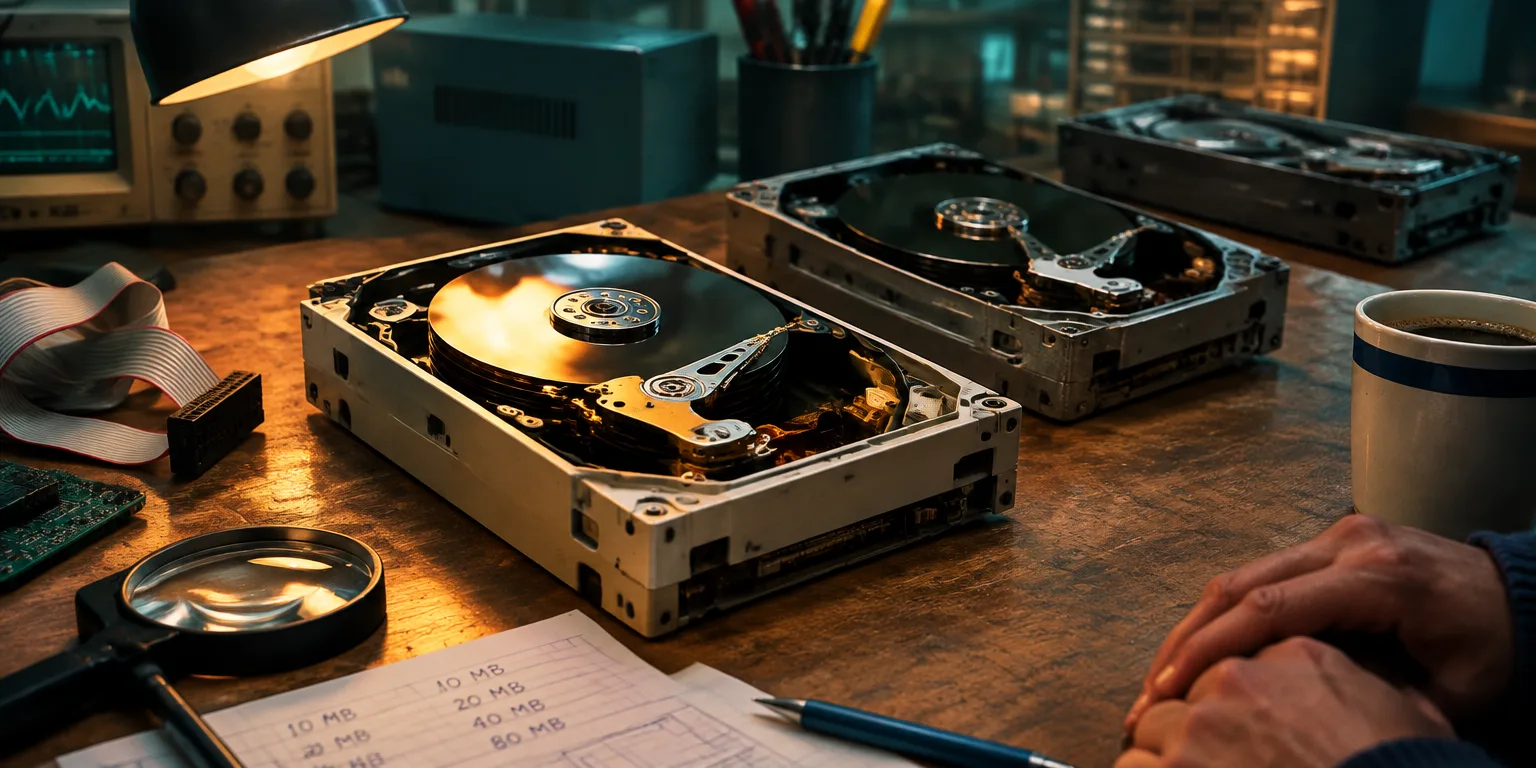
In the 1980s, a disk-drive maker built a better drive than anyone else in the world and took over the market. For a brief moment, its design was the best available, and the company led the industry.
About two years later, someone else built a still better drive and took the market away. Then it happened again. Over about 15 years, disk drives got vastly better through one takeover after another.
Peter Thiel, the PayPal co-founder and investor speaking to founders, uses that churn to make a plain point most founders get backward. Winning the market for a moment is not the same as building a valuable company, because an advantage has to last over time. Consumers got great benefit from those 15 years of progress, but as Thiel put it, that progress "didn't actually help the people who started these companies."
That is why he argues founders overvalue growth and undervalue durability. Capturing a market with better technology, with costs that fall as you scale, or with a network that gets stronger as it grows, is only the first test. Network effects often get more robust as they scale, but a technology lead is tricky, because someone can supersede you.
The second test is time. As Thiel put it, founders should explain why their lead will hold for a long time, or why they can keep improving so fast "that no one can ever catch up."
To press the point, Thiel reaches for chess. Moving first, playing white, is worth only about one-third of a pawn, a small edge. He borrows a line from chess champion Capablanca, "you must begin by studying the endgame," and turns it into Thiel's question for every founder: "why will this still be the leading company" in 10, 15, or 20 years from now.
Questions people ask
What is a disk drive and why did it matter so much in the 1980s?
A disk drive is the part of a computer that stores files, programs, and pictures even when the power is off. In the 1980s, personal computers were spreading fast, so cheaper drives that held more data made computers much more useful. That is why steady improvements helped buyers a lot, even when the makers kept failing.
What does it mean to be the "last mover" instead of the first mover?
It means being the last company in an important category and then holding that lead for years. Thiel describes Microsoft and Google as valuable because they are the last in their categories, and says Facebook will be valuable only if it turns out to be the last social networking site. The idea is that durability, not being earliest, creates most of the value.
Why would constant innovation be bad for a business?
If anyone can soon top your breakthrough, customers simply wait for the next better and cheaper version. Prices fall, market share shifts, and profits get competed away. Society still benefits from better products, but the original inventor cannot charge enough for long enough to earn a lasting return.