Do the slightly harder thing, a hundred times a day
Retired SEAL Andy Stumpf says tiny acts of discipline, repeated daily, steer where a life goes.
 Andrew Huberman · The Mental Frame & Specific Daily Actions to Succeed | Andy Stumpf
Andy Stumpf, a retired Navy SEAL turned wingsuit flyer and author, lives by a simple rule. As often as possible, pick the choice that is slightly more difficult. Everyone knows which is which, he says, and the payoff is not in any one decision but in repeating the harder one over time.
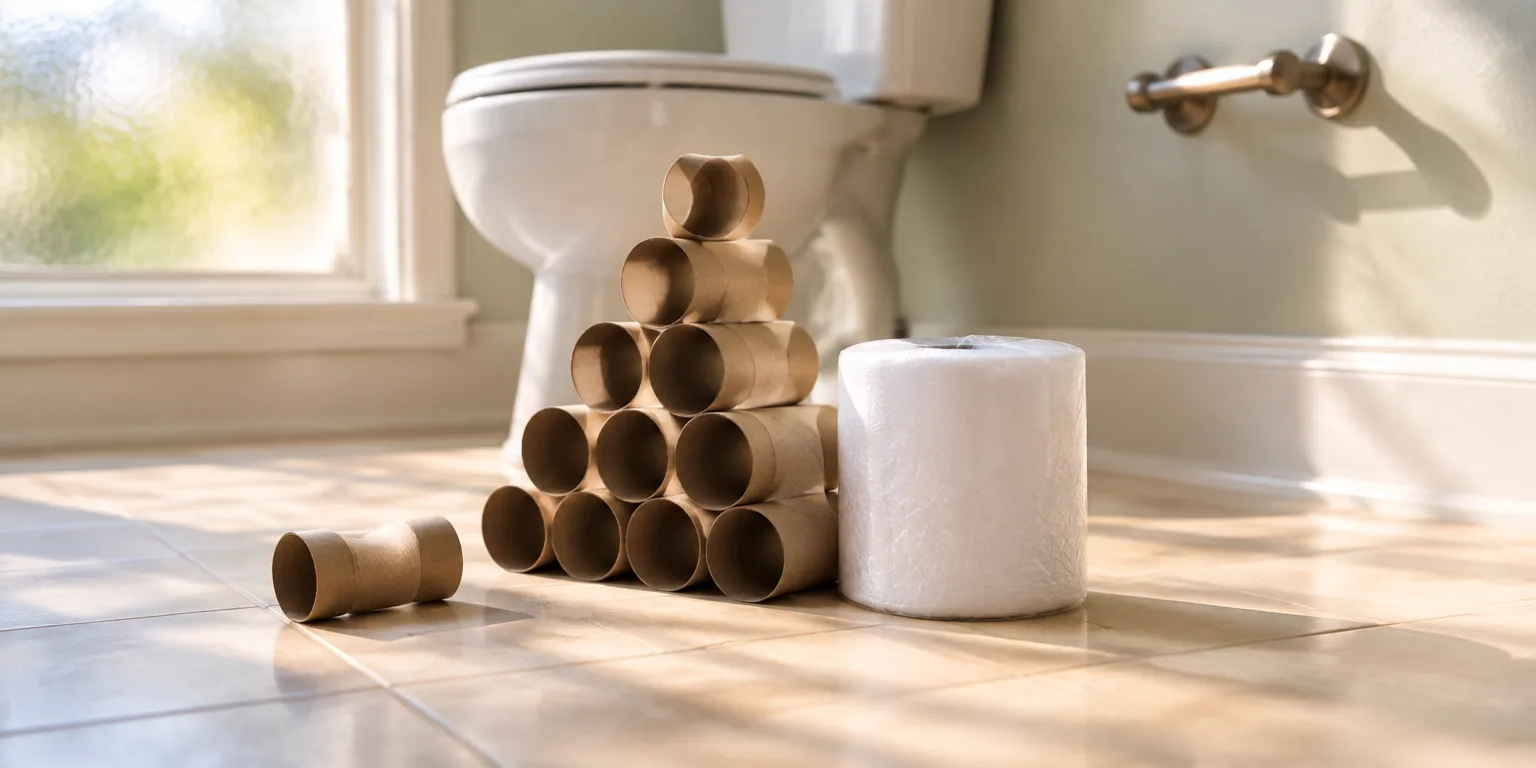
His favorite illustration involves toilet paper. His children finish a roll and, instead of throwing away the empty tube and loading a fresh one, set a new roll beside it. Empty tubes pile up, get stacked into a pyramid, and eventually roll behind the toilet. Then comes the yell for help from the bathroom. Stumpf's mantra from it, in his words, is "It always takes longer to do it wrong."
Laundry works the same way, he says. Washing, folding, and putting clothes away takes less time than digging through a pile later for a black shirt or matching socks. He cites the same logic behind the much quoted advice from retired Admiral William McRaven to make your bed. It is not really about the bed. It is about starting the day with a small act of discipline, then pairing it with another, and another.
His signature test is the coffee cup. As Stumpf puts it, "the sink's right there and so is the dishwasher." Dropping the cup in the sink is easier now and creates work later. Opening the dishwasher, rinsing the cup, putting it inside, and closing the door is slightly harder. Stumpf says one cup on its own will not change a life, but make that kind of choice 100 times a day and, in his words, "Your life's not going to look the same" over a week, a month, and a year.
The habit comes from SEAL training. Stumpf describes a two mile swim carrying, in his words, "a K-Bar knife in one of your hands and a CO2 cartridge in another" while wearing a life vest. Instructors examine the valve end of the cartridge with a jeweler's loupe, he says, with the warning, "God help you if I find a grain of sand or a fleck of rust," even though the vest would still have worked. The point was procedure under exhaustion. His team phrase for it, as Stumpf quotes it, was "how you do anything is how you do everything."
To try it his way, watch for the friction point, the moment you think, I will do it later. When you hear it, do the slightly harder version right then. Stumpf calls it micro discipline, the unseen work that looks from the outside like big discipline, and he admits he is not perfect at it.
Questions people ask
Will rinsing one coffee cup really change my life?
No single chore transforms a life. Stumpf's argument is about volume and direction. If the slightly harder choice is made dozens of times per day, the saved rework, tidier environment, and practiced follow-through add up over months.
What is the point of making the bed?
Stumpf links it to the same idea: start the day with one completed task, then add others. A made bed also means returning at night to a bed ready to sleep in, rather than having to straighten it when tired.
What is a good first step if this sounds exhausting?
Start smaller and more private. Put one dish straight in the dishwasher instead of leaving it in the sink. The privacy is the point, because no one will praise you for it.
Isn't this just being neurotic about housework?
He says he is not perfect at it and does not keep hospital corners. Critics call it neurotic, and his reply is to ask where you want to be and whether the shortcut habit is helping you get there. The goal is trajectory, not perfection.